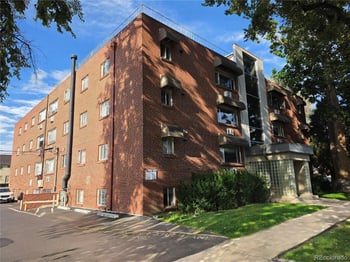
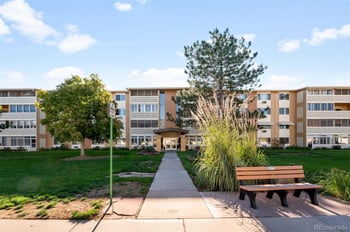
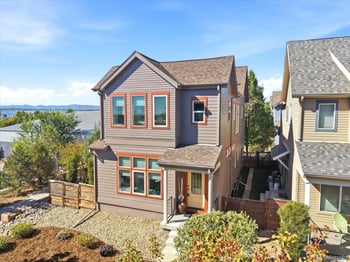
New - Just Now
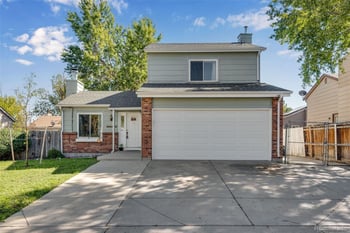
$510,000
Coming Soon
5
Beds
2
Baths
1725
Sqft
0.12
Acres
14532 E 45th Ave, Denver, CO 80239
MLS#: REC6171854
.jpg)



A professional inspection catches what an owner misses because the inspector goes where the owner never goes (the attic, the crawl space, the roof, behind the panel cover, down the sewer line) with tools the owner does not own. In Colorado those tools find the four things that cost the most after closing: water where it should not be, movement in expansive soil, hail damage on a roof that looks fine from the driveway, and radon in a finished basement. This guide explains what a Colorado inspector does that an owner cannot, what a general inspection leaves out, and how to pick the inspector.
Owners are not careless. They are used to the house. A door that sticks in August, a hairline crack in the basement slab, a furnace that short-cycles: after five winters those are normal. An inspector sees them once, on a checklist, and writes them down. Firms such as Alert Building Inspections report the same recurring categories in every market they work: moisture, electrical, roofing and foundation. On the Front Range each of those categories has a Colorado version.
Front Range moisture is not humidity; it is snowmelt, hail, sprinklers and freeze-thaw. An inspector traces every one:
Bentonite clay under much of the Denver metro, Douglas County and the Colorado Springs area swells when wet and shrinks when dry. It moves basements, slabs and footings, and it is the item an owner rationalizes away most. An inspector reads:
On a new home, Colorado law requires the builder to give the buyer a summary of the soils report and the site recommendations at least 14 days before closing. On a resale, the inspector's notes plus a $400 to $800 structural engineer's letter settle whether movement is old and stable or active. That letter is the document lenders and future buyers accept.
Hail season runs May to September, and the Denver metro sits in the most active hail corridor in the country. From the ground a roof with hail bruising looks fine. On the roof the inspector finds granule loss, bruised shingles that give under a thumb, dented gutters and vent caps, cracked pipe boots and dented AC condenser fins. The inspector also dates the roof. Colorado insurers ask for the roof age, decline some roofs over 20 years, and write hail deductibles as a percentage of dwelling coverage, so the roof report drives the insurance quote as much as it drives the repair negotiation. The roof report every Colorado buyer needs before closing covers the full checklist.
Every Colorado inspection report carries a scope statement, and it excludes more than buyers expect. A general inspection does not include: a sewer scope, a radon test, mold or asbestos sampling, a wood-destroying insect report, a Level 2 chimney camera, a pool or hot tub, a well flow test or water test, a septic inspection, the irrigation system, a structural engineer's opinion, or a code compliance review. Each is a separate order with its own fee, and on a Colorado home the first two are not optional. The radon and the Denver home purchase post explains the 48-hour test, and the Denver home buyer verification checklist lists the rest.
Colorado has no state license for home inspectors. Anyone with a ladder and a flashlight can call themselves one, and the state does not set a standard of practice. That makes the choice the buyer's job. The Kenna Real Estate Group screens inspectors on these points:
Our post on finding a good home inspector before buying a Denver home has the interview questions.
| Service | Denver metro cost | When it happens |
|---|---|---|
| General inspection, 2,000 square feet | $400 to $700 | Days 1 to 5 after contract |
| Sewer scope | $150 to $300 | Same visit |
| Radon test, 48 hours | $125 to $200 | Set at the inspection, read two days later |
| Level 2 chimney inspection | $200 to $400 | When there is a wood-burning fireplace |
| Structural engineer letter | $400 to $800 | When the inspector flags movement |
The Colorado Contract to Buy and Sell sets an inspection objection deadline, an inspection resolution deadline and an inspection termination deadline. The Kenna Real Estate Group writes 7 to 10 days for the objection so the general inspection, the scope, the radon read and one specialist visit all fit. The buyer terminates by the termination deadline and keeps the earnest money if the findings are not resolved. The full sequence is on the what happens after your offer is accepted page, and the reasons to never waive the inspection are in top reasons you should have a home inspection.
The lender's appraiser values the home and notes visible conditions the loan program requires fixed; the appraiser does not run a camera down the sewer or test for radon. FHA and VA appraisals flag peeling paint, missing handrails and roof life, nothing more. Mike Oswald, VP of Mortgage Lending at Rate, NMLS 261003, Equal Housing Lender, explains what each loan program's appraisal will and will not catch before Kenna buyers order their inspection. You are free to use any lender. The Colorado home financing guide covers the loan side.
A seller who orders the same inspection before listing fixes the sewer line, the panel and the roof on the seller's schedule instead of the buyer's, and lists with the report in hand. The preparing and adding value before selling page shows which fixes return more than they cost in the Denver metro.
The Kenna Real Estate Group at Keller Williams DTC books inspectors who carry every tool on this list, writes the deadlines so the radon read and the sewer scope fit, and turns the report into an objection the seller answers with money or repairs. Call or text 303-955-4220. A live person answers. Not a robot, not a phone tree. Or search every home for sale in Colorado and tell us which ones to inspect.
Questions about any home in Colorado? Call or text 303-955-4220. A live person answers.
No. Colorado has no state license or standard of practice for home inspectors. Choose one with ASHI or InterNACHI membership, insurance, a sample report and the tools listed in this post.
$400 to $700 for a general inspection on a 2,000 square foot home, plus $150 to $300 for a sewer scope and $125 to $200 for a 48-hour radon test.
Yes on any home built before 2000 or with mature trees near the line. Clay tile and Orangeburg lines across older Denver metro neighborhoods fail, and replacement runs $8,000 to $25,000.
Temperature differences: wet drywall behind a shower, missing attic insulation, air leaks at can lights and a hot breaker in the panel. The moisture meter then confirms whether a cold spot is wet.
A heaved or stepped slab crack, doors out of square, drywall cracks at the corners of openings and a floating wall gap that has closed. A structural engineer's letter, $400 to $800, tells you whether the movement is active.
Not in the base package. Radon is a separate 48-hour continuous monitor test. Most of Colorado is in the EPA's highest radon zone, and mitigation runs $1,000 to $2,500 on a Front Range home.
Whatever the contract says. The Kenna Real Estate Group writes 7 to 10 days for the inspection objection deadline so the general inspection, sewer scope, radon read and a specialist visit all fit.