.jpg)



The Denver Metro real estate market demands more than just browsing listings. It requires a sharp eye and a proactive approach, especially when you're looking at potential homes. Before you even consider making an offer or scheduling a professional inspection, you, as a buyer, can do some key visual checks. These early observations can really help your decisions, prevent surprises, and ensure you offer on a property that truly fits your expectations and budget. At Kenna Real Estate Group, we equip our clients to look past appearances and understand a home's real condition. Our managing broker, Brian Burke, has over two decades of experience in home design and construction. This background gives our team a special edge, letting us spot details others often miss. This understanding matters especially in areas like Centennial, where the median home construction year is 1983. Many properties here have a history that requires close attention.
Beyond the Surface: What to See on the Outside
A home's exterior provides the first key clues about its condition and how it has handled Colorado’s varied weather. Taking the time to carefully examine these aspects before making an offer can save you a lot of time and potential problems later on.
The Roof: More Than Just Missing Shingles
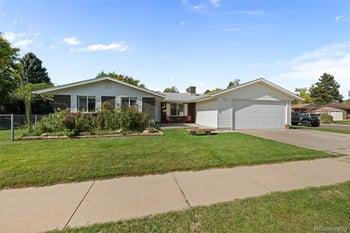
In Colorado, especially across the Denver Metro area and hail country like Centennial, the roof is more than just a covering. It's a key protection against our often dramatic weather. We get over 300 sunny days each year, yet spring and summer hail storms are common, affecting everything from roofing materials to gutters. When you do pre-offer checks in Colorado, start your assessment from the curb. Look for differences in shingle color or texture. These often show recent spot repairs instead of a full replacement. Notice any curled, cracked, or missing shingles, as these are clear signs of wear and potential weak spots. Granule loss, which looks like dark streaks on the roof or piles in gutters, suggests the shingles are old and losing their protective qualities. While climbing onto the roof isn't advisable without the right equipment, a good pair of binoculars can reveal a lot from the ground. Finding an older roof, especially on a home built around Centennial’s 1983 median, isn't necessarily a deal-breaker. However, it should prompt you to investigate its age and repair history more closely. A roof that has seen many hail events or poorly done repairs could be a big expense soon after closing. Knowing these details early helps you understand a property's true value and future maintenance needs. You can explore more specific considerations for roof drainage and hail damage in our detailed post on Beyond Hail: Crucial Roof Drainage Checks for Denver Metro Homebuyers.
Decoding Drainage and Grading: Your Home's First Protection
Good drainage and proper grading are essential for a home’s long-term structural health in the Denver area. Our unique mix of heavy snowmelt in spring and intense, short thunderstorms in summer means managing water runoff is vital. The soil in many parts of the Front Range, especially expansive clay soils, can cause serious foundation problems if it's always wet or dries unevenly. As you walk around the property, look at the ground slope right next to the foundation. It should always slope away from the house, ideally with at least a six-inch drop over the first ten feet. Flat or, worse, inward-sloping grading will send water toward the foundation. This leads to water getting in, basement leaks, and potential structural damage. Check the downspout extensions. Are they sending water far enough away from the foundation, at least four to six feet? Missing or wrongly directed downspouts are a common cause of water issues. Look for signs of erosion near the foundation, mud streaks on the siding, or spots where water visibly pools after it rains. These are all signs of drainage problems in Colorado that need attention. Ignoring these early warnings can lead to expensive repairs later, including foundation repair, basement waterproofing, and mold cleanup.
Finding Interior Warning Signs
Once inside, shift your attention from the home's aesthetics to the deeper story its interior tells. These pre-offer checks in Colorado aim to uncover potential red flags that need closer examination during a professional home inspection.
The Silent Threat: Finding Moisture Damage
Moisture damage in Colorado homes isn't always obvious, especially given our usually dry climate. But when it happens, it can lead to major problems, from damaged structural components to unhealthy indoor air quality. Start your interior review by looking for small signs of past or present water entry. In basements and crawl spaces, sniff for musty odors; this is a clear sign of mold or mildew growth, even if you can't see it right away. Look at walls and ceilings for water stains, discoloration, or peeling paint. These often look like irregular, yellowish, or brown blotches. In concrete basements, look for efflorescence, a white, powdery substance that forms when water passes through masonry, leaving behind salt deposits. This shows water penetration, even if the area seems dry at the moment. Remember to look under sinks in bathrooms and kitchens for cabinet discoloration, soft spots in the flooring, or active leaks around plumbing. In the attic, look for signs of roof leaks, such as stained wood sheathing or insulation, especially after heavy snow or rain. While Colorado's dry conditions can help small leaks dry quickly, significant or constant moisture can swiftly turn into a serious concern.
Cracks in the Foundation: Understanding Shifts
When you're looking at a Denver Metro home, especially one built in the mid-20th century like many in Centennial, understanding foundation cracks is key. Not all cracks are the same. Small hairline cracks in plaster or drywall, especially around windows and doors, are often just cosmetic. They result from normal settling over decades. However, serious cracks need closer attention. Look for cracks wider than a quarter-inch, particularly those that are horizontal, zig-zagging, or show signs of differential movement where one side is offset from the other. Examine the basement walls, concrete slab, and brick veneer (if applicable). Pay attention to any cracking that extends through the foundation and into the structure above. Look for doors and windows that stick, or gaps around their frames, which can signal foundation movement. Uneven floors, especially those with visible dips or slopes, are another possible sign of foundation problems. Brian Burke’s construction background helps our team easily distinguish between minor settling, common in older Colorado homes, and more serious structural damage needing an engineer's assessment. You can learn more about common structural issues by reviewing our article on What to Watch For: Common Structural Issues in Older Denver Metro Homes.
Window and Door Condition: Seals, Drafts, and How They Work
Windows and doors serve two main purposes: they secure your home and significantly contribute to its energy efficiency. In Colorado, where temperatures can change quickly and strong winds are common, the quality of these openings matters. During your pre-offer walk-through, inspect every window and door carefully. Open and close them to make sure they operate smoothly without excessive sticking or binding. Look for drafts by simply holding your hand near the frames, especially on colder or windier days. Look at the window panes for condensation between the glass layers, which indicates a failed seal and reduced insulation. This is a common problem with older double-pane windows. Examine the caulking and weatherstripping around all exterior windows and doors for cracks, gaps, or damage. Poorly sealed windows and doors lead to higher utility bills and can allow dust, allergens, and pests into the home.
Understanding Legal and Regulatory Issues
While less visual, understanding a property's documents and rules is just as important as the physical inspection. These checks are a key part of smart Denver Metro home buying.
HOA and Metro District Documents: A Close Look
Many planned communities and newer developments across the Denver Metro area, including parts of Centennial, operate under Homeowners Associations (HOAs) or Metro Districts. These groups govern different aspects of community living and can significantly affect your homeownership experience and finances. Before making an offer, you'll want to carefully review the HOA or Metro District documents. This usually includes the Covenants, Conditions, and Restrictions (CC&Rs), bylaws, and financial statements. Look for items such as monthly or annual fees, assessment history, reserve funds, rules about exterior changes (e.g., paint colors, landscaping, fences), pet policies, and rental limits. We see many buyers miss these details, then get surprised by unexpected costs or limits on how they can use their property. Kenna Real Estate Group helps clients understand these complex documents, ensuring you fully understand your duties and rights as a homeowner in these communities.
Permits and Property History: Finding Out About Past Work
Reviewing permits for past renovations or additions is a significant step in pre-offer checks in Colorado. Unpermitted work can cause major problems, including hazards, difficulty getting homeowners insurance, and issues when it's time to sell. While you won't do a full permit search before offering, you can have your Kenna Real Estate Group agent inquire about any major work the seller mentioned. Big renovations like finished basements, room additions, or significant electrical/plumbing work should ideally have permits on file with the local Centennial or Arapahoe County building department. Your agent can help you determine what to ask and how to interpret the answers, ensuring you have a clearer picture of the home’s history.
Why a Construction-Savvy Realtor is Your Best Help
While these initial checks are helpful, they're just the beginning. True confidence in your home purchase comes from working with experts who have deep local knowledge and industry skill. This is where Kenna Real Estate Group truly shines. Brian Burke's background isn't just in selling homes; he has over 25 years of experience in home design and construction. This means our team of Advising Expert Realtors approaches every property with a special design-and-build mindset.
We don't just see a fresh coat of paint; we see the potential water stains it might be covering. We don't just note a new fence; we examine the grading around it and its impact on your foundation. This construction-aware approach helps us:
- Spot structural details and use them in negotiations: We can tell the difference between cosmetic fixes and costly structural issues, giving you advantage in negotiations.
- Assess drainage and grading: This is especially important in Colorado's climate. We evaluate how well a property handles water flow, a common source of problems.
- Understand roof conditions in hail country: Our understanding extends beyond surface damage, covering the long-term effects of hail on various roofing materials.
- Handle HOA and Metro District complexities: We make sure you understand the fine print before you commit, protecting your interests in Centennial’s many planned communities.
Our commitment is to a client-first, transparent process. We provide a clear plan and documented steps for your transaction, ensuring you understand every step, from HOA documents to roof disclosures and inspection priorities. Kenna Real Estate Group holds an A+ rating with the Denver/Boulder Better Business Bureau, and our partnership with Keller Williams DTC, LLC, provides local expertise with broad reach. With us, you're not just getting a real estate agent; you're gaining a dedicated advisor who will make your home-buying journey in Denver Metro secure, knowledgeable, and stress-free.
Your Informed Offer Starts Here
Making an offer on a home is a big commitment. Taking the time for these pre-offer home checks in Colorado can give you truly valuable information, helping you avoid potential problems and ensuring your offer is well-informed. While these checks are not a substitute for a complete professional home inspection, they empower you to move forward with confidence or, in some cases, to walk away from a property that doesn’t meet your standards. For expert guidance through the competitive Denver Metro market, trust the professionals at Kenna Real Estate Group. We are ready to help you find the perfect property and manage every step of the buying process with our distinct construction expertise and client-focused approach. Start your informed home search today by exploring current listings and connecting with our Advising Expert Realtors. Explore Denver Metro Listings with Kenna Real Estate Group
Frequently Asked Questions about Pre-Offer Home Checks in Denver Metro
How much time should I set aside for pre-offer checks?
A careful walk-through of the exterior and interior for pre-offer checks typically takes anywhere from 30 minutes to an hour. This depends on the home's size and complexity, allowing you enough time to observe key areas without rushing.
Can these first checks replace a professional home inspection?
No, these preliminary visual checks are not a substitute for a full professional home inspection performed by a licensed inspector. A professional will use specialized tools and knowledge to evaluate the home's systems and structural components in detail.
What are common structural problems specific to older Centennial homes?
Many Centennial homes, especially those built in the 1970s and 80s, may exhibit common structural problems such as minor foundation settling cracks, shifting due to expansive clay soils if drainage is poor, and signs of wear on original framing or concrete slabs. This means a thorough evaluation is essential during the inspection process.