.jpg)


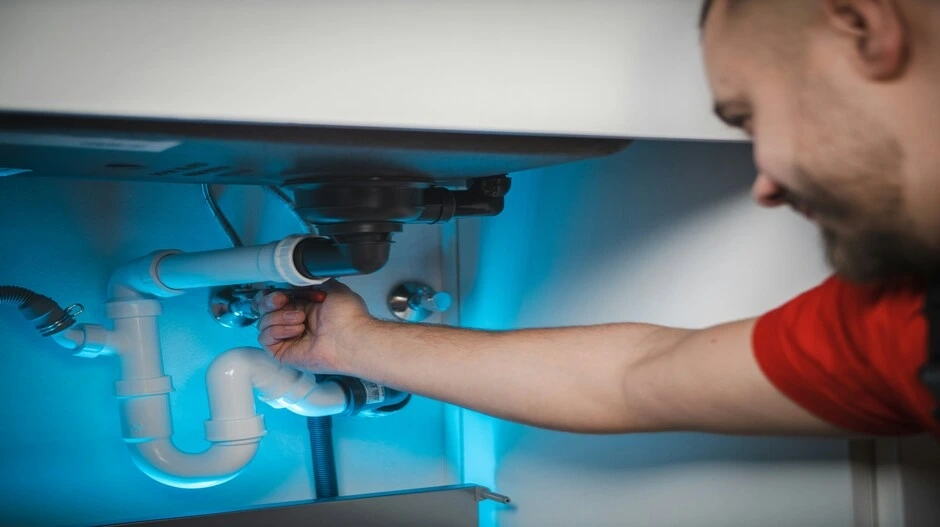
Plumbing deserves a close look during a Colorado home inspection because the state's specific conditions, hard water, hard winters and older clay sewer lines in many Denver neighborhoods, create failure points a quick visual check misses. A general inspector runs water and checks visible fixtures, but does not scope the sewer line, pressure-test hidden pipe, or evaluate water heater sediment buildup unless a buyer requests it.
What a General Inspection Checks and What It Skips
A standard Colorado home inspection runs every fixture, checks for active leaks at visible supply and drain lines, and notes the water heater's age and condition from the outside. It does not include a sewer scope, a water heater flush and internal check, or a pressure test on pipe hidden inside walls. Those are add-ons, and on an older Denver metro home they are worth the extra $150 to $450 combined cost inside the inspection window.
Hard Water and What It Does to Denver Metro Plumbing
Denver metro tap water runs moderately hard, and mineral deposits build up inside pipes, faucets and water heater tanks over years of use, narrowing pipe diameter and reducing water heater efficiency. A tank water heater that runs 12 to 15 years in a soft-water region lasts closer to 8 to 12 years here without a softener or an annual flush. Fixtures show it too: a showerhead losing pressure over a year or two is mineral buildup, not a supply line problem.
Frozen Pipes: A Colorado-Specific Risk
Front Range winters bring stretches of single-digit overnight temperatures, and pipe running through an uninsulated crawlspace, garage wall or exterior wall can freeze solid and crack even in an otherwise well-maintained home. A frozen pipe thaws and leaks slowly inside a wall cavity for days or weeks before a stain becomes visible, exactly the kind of damage a same-day inspection cannot catch. Ask directly whether the home has a history of frozen pipes and whether any exposed lines have since been insulated or rerouted.
The Sewer Line Question Every Older Denver Home Needs
Homes built before 1970, common across Denver's older neighborhoods, still run original clay or Orangeburg sewer pipe, both prone to cracking and root intrusion after decades in the ground. A sewer scope, run for $200 to $450, is the only reliable way to see the line's actual condition rather than guess from its age. Root intrusion repair runs $3,000 to $10,000 for a full trenchless replacement.
Colorado's Inspection Objection Deadline for Plumbing Findings
Colorado's standard purchase contract sets an inspection objection deadline, commonly 7 to 10 days after acceptance and negotiated in every offer. A plumbing-specific inspection, sewer scope, or water heater evaluation has to be completed and any findings submitted before that date to give a buyer grounds to negotiate a repair, credit or price adjustment. Build the extra time into the offer for an older home rather than trying to schedule add-on services inside a standard general inspection's short window.
Permits for Repiping and Water Heater Replacement
A full repipe or water heater replacement requires a plumbing permit and inspection in Denver, Aurora, Lakewood and Colorado Springs. Work completed without a permit is a common finding that can require retroactive permitting or a licensed plumber's sign-off before a buyer's lender will close.
Denver Metro Plumbing Cost Ranges
| Item | Typical Denver metro cost |
|---|---|
| Sewer scope inspection | $200 to $450 |
| Water heater replacement, tank | $1,500 to $3,500 installed |
| Full repipe, older home | $6,000 to $16,000 depending on size and access |
| Whole-home water softener | $1,200 to $3,000 installed |
Signs of a Slow, Hidden Leak
- Water bill spike: compare the last 3 months against the same months a year earlier.
- Soft or discolored flooring: near a bathroom, laundry area or kitchen sink base.
- Musty smell: especially in a basement or crawlspace with limited airflow.
- Running water sound: audible when every fixture in the home is confirmed off.
A slow leak that goes on long enough can also feed hidden mold growth, since damp drywall paper and wood framing are exactly what mold needs; a plumbing check and a moisture check are worth scheduling together on an older home. Checking for slow leaks is a good habit for any homeowner, not just at the point of sale, since a single running toilet or dripping faucet can waste thousands of gallons a year unnoticed.
What Plumbing Condition Does to a Colorado Sale
Plumbing findings during the inspection objection period, an aging water heater, a sewer scope showing root intrusion, or evidence of a past frozen pipe repair, are among the most common negotiating points in a Colorado purchase contract. Sellers who service the water heater, confirm the sewer line's condition and document any past repairs before listing walk into a transaction with fewer surprises. It's Plumbing and similar licensed plumbers can provide this kind of pre-listing documentation; ask for a written scope of any work completed so it is shared with a buyer's inspector.
Water Pressure and Older Pipe Fittings
Denver metro municipal water pressure commonly runs 60 to 80 psi at the street, higher than many older homes' internal fittings were built to handle for decades on end. A pressure-reducing valve, installed where the main line enters the home, brings that down to a working range of 50 to 60 psi and protects galvanized or older copper fittings from the slow stress that leads to pinhole leaks. Galvanized pipe, common in homes built before the 1960s, corrodes from the inside out and restricts flow years before a visible leak appears; a plumber can check remaining wall thickness with an inspection camera. Repiping with PEX, now standard on the Front Range, resists both corrosion and the freeze-crack risk older rigid pipe carries through a Colorado winter.
Shutoff Valves and What to Test Before You Close
Every fixture, toilet, sink and washing machine, has its own shutoff valve, and in an older home many of these have not been turned in years. A valve seized shut or leaking around its stem the first time it is tested is a common finding during a pre-purchase plumbing check, since it means a homeowner cannot isolate that fixture quickly in an emergency without shutting off water to the whole house. Testing every shutoff, along with the home's main water shutoff valve, takes a plumber under an hour and flags a low-cost fix, replacing the valve, before it becomes the reason a future leak floods a finished basement instead of a single bathroom.
Ask where the main shutoff valve is located and confirm it turns freely before you close, whether you are buying or already own the home. A main valve buried behind storage boxes or painted shut in an older Denver basement is a routine finding, and knowing its exact location before an emergency happens is worth five minutes on a walkthrough.
Where to go next
- Search every home for sale in Colorado
- How to Prepare Plumbing Before Selling Your Denver Home
- Denver Plumbing & Heating Company Shares Inspection Tips
- Preparing and Adding Value Before Selling
- The Colorado Home Buyer's Guide
- Closing Costs for Colorado Home Buyers
Talk to the Kenna Real Estate Group
The Kenna Real Estate Group helps Colorado buyers schedule the plumbing add-ons a general inspection skips before the objection deadline passes, and helps sellers document plumbing condition before listing. Call or text 303-955-4220. A live person answers. Not a robot, not a phone tree. Or search every home for sale in Colorado right now.
Homes for sale that match this post
- Homes with 2 Car Garage in Denver
- Homes with Gourmet Kitchen in Denver
- Basement: guide
- Homes with Finished Basement in Denver
- All homes for sale in Denver
Guides
Questions about any home in Colorado? Call or text 303-955-4220. A live person answers.