New - Just Now
$1,500,000
Active
20
Beds
10
Baths
7500
Sqft
--
Acres
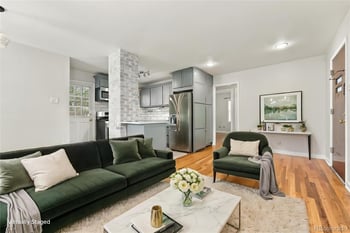
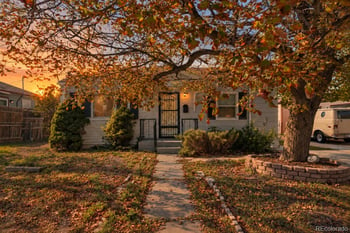
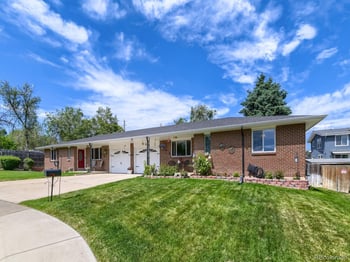
982 S Sheridan Blvd, Denver, CO 80226
MLS#: REC6970158
.jpg)



Real estate investors in Colorado lose money on the same five mistakes every cycle: skipping zoning and short-term rental due diligence, underestimating what Colorado's soil and hail exposure add to renovation budgets, ignoring the real cost of vacancy and management, timing the market on a hunch, and locking financing terms that don't fit the deal. Each mistake below has a fix that costs far less than the loss it prevents.
Denver's short-term rental rules require the property be the host's primary residence and licensed through the city before it can legally list on Airbnb or VRBO. An investor who buys a second property expecting to run it as a short-term rental in Denver proper finds out after closing that the license doesn't apply, turning a planned STR into a long-term rental with a different return. Check STR eligibility before you buy, not after.
Expansive bentonite clay soils from Douglas County through Colorado Springs crack foundations and slabs that weren't engineered for the movement, and a foundation repair on an older Front Range home runs $8,000 to $25,000 depending on severity. Investors budgeting off a generic renovation calculator built for a different climate miss this cost entirely, then absorb it out of their margin.
Colorado's hail season runs April through September, and a roof near the end of its life on a Front Range property is a near-certain claim within a few years of ownership. Factor a roof replacement — $10,000 to $18,000 on an average single-family home — into the offer instead of discovering it after a claim gets denied for pre-existing wear.
A pro forma that assumes zero vacancy and no management fee overstates cash flow every time. Budget 5 percent to 8 percent of annual rent for vacancy and turnover, plus 8 percent to 10 percent for management if you won't self-manage, before deciding a deal pencils.
Investors who wait for a bottom in the Denver metro market regularly watch rates or prices move against them while they wait. Colorado's inventory has stayed tight enough that a wait-for-the-dip strategy has cost more in missed appreciation than it's saved in purchase price over the past decade. A deal that cash-flows and meets your criteria today is worth more than a hypothetical better deal next year.
Locking a 30-year conventional rate on a property meant to be flipped inside six months pays points and fees for a loan term you'll never use. Match the loan to the hold period: a DSCR loan or hard-money bridge loan for a fix-and-flip, a conventional or portfolio loan for a long-term hold. Compare Colorado investment property financing options before you make an offer, not after.
A pre-purchase inspection, a title search and a call to the county planning department run a few hundred dollars to about $1,000 total on most Front Range properties. Skipping that step to close faster has cost investors tens of thousands when a zoning restriction, an undisclosed lien or a failed system surfaced after closing. The math only favors skipping due diligence when a deal is priced so far below market that the discount already covers a worst-case surprise, and that situation is rare in a Front Range market this competitive.
Yes, on any property built before 1990. A pre-purchase inspection by a licensed plumber catches galvanized or polybutylene piping, water heater age and sewer line condition — repairs that run $3,000 to $15,000 and rarely show up on a general home inspection.
A property inside a metro district in Douglas County, Broomfield or parts of Adams County carries an extra mill levy on top of standard property tax to pay off infrastructure bonds. Pull the mill levy before closing; it changes the net cash flow math on a rental more than most investors expect.
Confirm current zoning matches the intended use, look up whether the parcel sits inside a metro district or special district, and check for open permits or code violations tied to the address. A ten-minute call to the county planning or assessor's office catches problems that a standard title search doesn't, and it's free.
| Mistake | Typical hidden cost |
|---|---|
| Skipped STR eligibility check | Property reverts to long-term rental income |
| Underestimated foundation repair | $8,000-$25,000 |
| Ignored roof condition | $10,000-$18,000 |
| No vacancy/management budget | 13%-18% of gross rent overstated |
| Mismatched loan term | Points and fees paid for an unused loan term |
The Kenna Real Estate Group helps investors pressure-test a deal's zoning, STR eligibility, soil risk and financing fit before an offer goes in, not after closing. Call or text 303-955-4220. A live person answers. Not a robot, not a phone tree. Or search every home for sale in Colorado.
Questions about any home in Colorado? Call or text 303-955-4220. A live person answers.
Skipping STR and zoning due diligence, underestimating soil and hail repair costs, ignoring vacancy and management expense, timing the market, and mismatching loan terms to the hold period.
Denver limits STR licenses to a host's primary residence. Buying a second property expecting to run it as an Airbnb without checking eligibility turns it into a long-term rental with a different return.
$8,000 to $25,000 depending on severity, a cost generic renovation calculators built for other climates miss entirely.
5% to 8% of annual rent for vacancy and turnover, plus 8% to 10% for management if you won't self-manage.
Rarely. Tight Front Range inventory has made a wait-for-the-dip strategy cost more in missed appreciation than it saves in purchase price over the past decade.
A DSCR loan qualifies based on the property's rental income and suits a short hold or a flip; a conventional or portfolio loan suits a long-term buy-and-hold at standard rates.
Yes, on anything built before 1990. A plumbing inspection catches piping, water heater and sewer line issues that run $3,000 to $15,000 and don't always show up on a general inspection.
Current zoning for the intended use, whether the parcel sits in a metro or special district, and any open permits or code violations tied to the address.