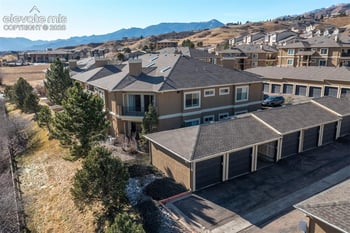

$315,000
Active
2
Beds
2
Baths
1111
Sqft
0.017
Acres
1965 Montura Vw #202, Colorado Springs, CO 80919
MLS#: 6913872
.jpg)


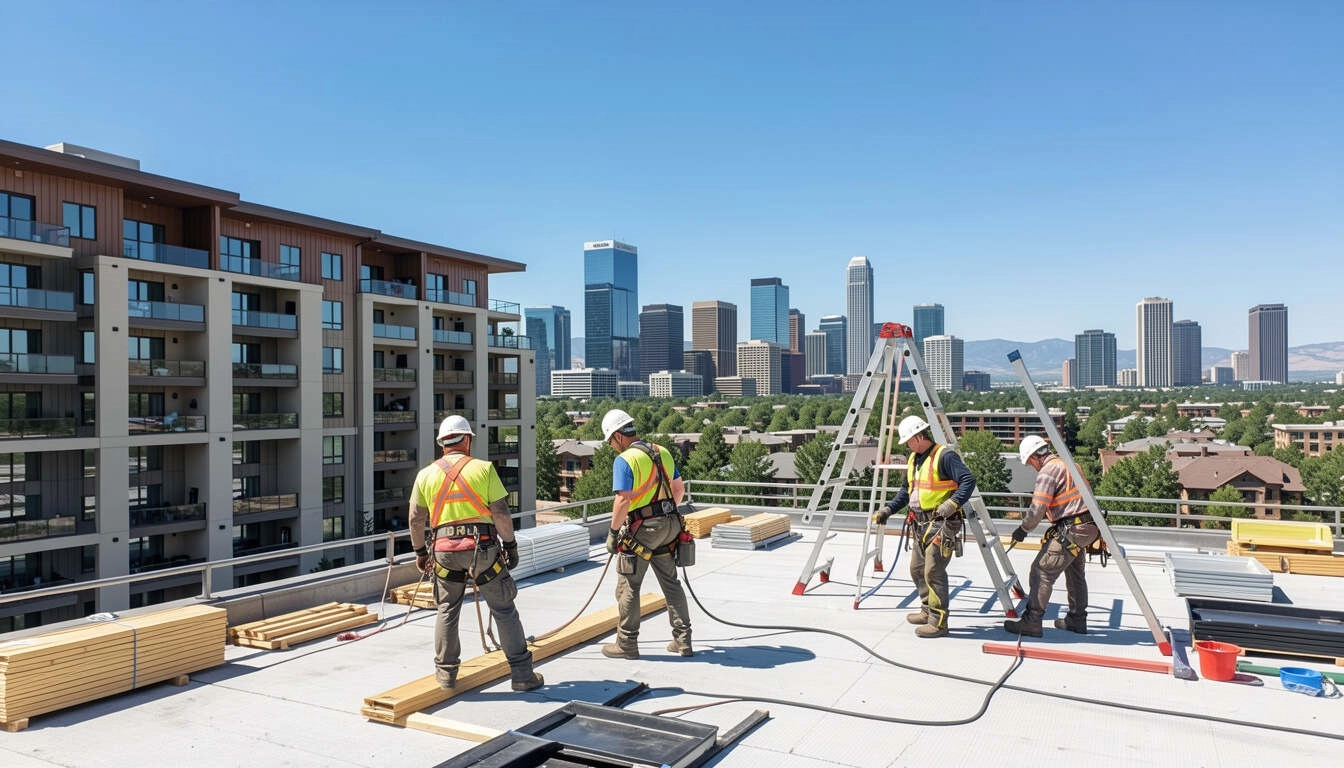
Ask every Colorado roofing contractor for a current certificate of general liability insurance and workers' compensation before signing a contract, and confirm both by calling the insurer directly, not just by looking at a printed certificate the contractor hands you. An underinsured roofer who gets hurt on your property or does defective work that damages your home can leave you personally exposed for costs your own homeowners policy won't cover.
Hail season on the Front Range runs roughly mid-April through mid-September, and every major hailstorm brings a wave of out-of-state "storm chaser" crews going door to door offering fast repairs. Many operate with minimal or no local insurance, use subcontractors with no coverage at all, and are gone before a defect shows up. Colorado's licensing and permit requirements exist partly to filter these operators out, but a homeowner still has to check credentials directly rather than assume a permit means the crew is properly insured.
Ask the roofer for a certificate of insurance that names you and your property address, then call the listed insurance company directly to confirm the policy is active and covers the dates of your project. A legitimate contractor with genuine insurance coverage for roofing contractors won't hesitate to provide this; reluctance or a certificate that can't be verified is a clear red flag to walk away.
If an uninsured worker is injured on your roof, you can be named in a personal injury claim, and your homeowners liability coverage is not built to cover a commercial work injury on your property. If defective work causes a leak that damages framing, insulation or ceilings months later, an underinsured contractor is frequently unreachable or judgment-proof by the time the damage shows up, leaving you to cover the repair and any resulting insurance claim increase yourself.
Sellers who reroof before listing to clear an inspection objection are especially exposed, since a defect discovered after closing can turn into a dispute with the buyer, not just a repair bill. Verify contractor insurance the same way for a pre-listing job as for any other roof work, and keep the certificate of insurance, contract and warranty paperwork in your closing file. A buyer's inspector or title company occasionally asks who performed recent roof work, and being able to answer with a licensed, insured contractor's name protects the transaction.
Denver, Aurora, Colorado Springs and most Front Range counties require a licensed contractor to pull the roofing permit, and licensing applications in most jurisdictions require proof of active insurance on file. Confirming the contractor has both an active local license and current insurance, rather than just one or the other, is the fastest way to screen out storm chasers before signing anything.
If a legitimate injury or property damage claim exceeds an underinsured contractor's coverage limits, the contractor's business can be forced into bankruptcy mid-dispute, leaving the injured party, and potentially the homeowner, to pursue the balance directly. This is exactly the scenario higher liability limits and professional liability coverage are built to prevent, and it's why real estate clients on larger commercial projects routinely require proof of $5 million or more in coverage before awarding a contract. The same logic protects a homeowner hiring a contractor for a single-family reroof, just at a smaller scale.
Demand for roofing labor spikes hard in the weeks after a significant Front Range hailstorm, and that spike is exactly when underinsured and unlicensed crews are most active, since local demand outpaces the supply of licensed, properly insured contractors. Homeowners who take the extra day to verify a contractor's credentials during a busy season, rather than signing with the first crew that knocks on the door, are far less exposed to defective work or an unresolved injury claim months later.
A contractor's own insurance costs are part of their overhead, and a bid that comes in dramatically lower than two other bids for the same scope of work is sometimes a sign the low bidder is carrying minimal or no coverage and passing that risk to you instead of pricing it in. Comparing bids on scope and material first, then asking each contractor directly how their insurance coverage is reflected in their pricing, gives a more complete picture than comparing the bottom-line number alone. The roof replacement cost guide covers realistic Front Range pricing ranges to compare a bid against.
A real estate group that regularly refers roofing contractors to clients has a direct interest in those contractors being properly insured, since a botched or disputed roof job can delay a closing, sour a transaction, or in the worst case expose a client to a claim. Working with a Colorado real estate team that has vetted local contractors over multiple transactions, rather than picking a name from an online ad, adds a layer of accountability that most homeowners don't have time to build on their own before a single project.
Whether the roof work happens before a sale or after a purchase, keep the certificate of insurance, signed contract, permit number, final invoice and manufacturer warranty registration together in one file. That documentation answers a buyer's inspector or a future insurance adjuster's questions quickly instead of requiring a scramble to track down a contractor who is no longer in business years later.
The Kenna Real Estate Group can point Colorado sellers and buyers toward roofing contractors we've seen do reliable, properly insured work, and help you avoid the storm-chaser crews that show up after every major hailstorm. Call or text 303-955-4220. A live person answers. Not a robot, not a phone tree. Search every home for sale in Colorado.
Questions about any home in Colorado? Call or text 303-955-4220. A live person answers.
An uninsured worker injured on your property can name you personally in a claim, and defective work from an underinsured contractor can leave you covering the repair yourself if the contractor becomes unreachable.
An out-of-state crew that goes door to door right after a major hailstorm offering fast repairs, frequently with minimal or no local insurance and no local track record once the job is done.
Ask for a certificate of insurance naming you and your address, then call the listed insurer directly to confirm the policy is active for your project dates. Do not rely on the printed certificate alone.
Yes, for businesses with employees. A homeowner can face a liability claim if an uninsured worker is injured on their roof.
Yes, and arguably more, since a defect discovered after closing can become a dispute with the buyer rather than just a repair bill for the seller.
Reluctance to provide a certificate of insurance, or a certificate that the listed insurer cannot verify by phone, are both signs to walk away before signing a contract.