.jpg)


Denver’s ambitious climate goals and extreme weather shifts are pushing businesses to rethink property upgrades. The city strives to lower greenhouse gas emissions and boost energy efficiency by implementing eco-friendly reforms and investing in sustainable solutions.
These upgrades aren’t just eco-friendly—they’re a financial safeguard. Properties with green features attract better tenants, command higher rents, and sell for premium prices. Maintaining them is also economical in the long run. This is especially important as the city faces unique climate challenges like urban heat islands and extreme weather.
Green and cool roofs can help address these issues. A professional commercial roofing company can guide you through installing these systems while ensuring compliance with Denver's growing list of building regulations.
With that in mind, let’s explore how Denver businesses can adapt smarter, save money, and stay ahead of regulations.
1. Denver’s 2025 Climate Goals
In 2023, Colorado adopted new building codes that prioritize energy efficiency and climate resilience. The updated codes require all new buildings to meet stricter standards for insulation, windows, and mechanical systems. Colorado Public Radio reveals that nearly all regional governments must follow these directives.
Under these rules, local authorities should ensure new properties are more energy-friendly and include electric vehicle charging ports and solar panels. The Energize Denver program is also evolving. The city’s climate plan requires commercial and multifamily structures over 25,000 sq ft to be reduced by 80% by 2040.
Authorities also assigned unique criteria for each property to secure a 30% drop across the entire portfolio by 2030. While some building operators met their 2030 objectives, the city is still far behind its 2040 target. To gain momentum, authorities recently proposed changes to its climate goals timeline.
While some deadlines have been extended, basic requirements remain. Your commercial property will still need to meet energy efficiency benchmarks. Missing these benchmarks could cause businesses to be fined or lose tenants.
Ready to find your dream home in Colorado?
Let us help you. Call or Text Kenna Real Estate Group at 303-955-4220 to get personalized assistance from our expert real estate agents. Find out what your home is worth in today's market.
2. The Hidden Power of Green & Cool Roofs in Fighting Urban Heat
Denver faces double the heat from rising temperatures and the urban heat island effect. The latter occurs when settlements replace the natural soil with compact masses of roadways, buildings, and other structures. These surfaces absorb and accumulate heat, raising the surrounding temperature.
Denver feels this effect more prominently. According to the nonprofit Climate Central, 49,000 Denverites say the city feels 9 °F+ hotter. Due to its compact layout, Downtown Denver feels hotter than the rest of the areas. To combat this, authorities and non-profits have raised over 1,400 trees over the past few years. Denver7 reveals the city expects to plant over 2,000 trees by 2025.
Another way to combat the rising temperatures is to use green roofs (vegetation-covered) and cool roofs (reflective materials). Integrity Pro Roofing reveals that green roofs incorporate vegetation, soil, and a hydrophobic substrate, thus providing excellent insulation and stormwater management. Likewise, cool roofs use reflective materials to reduce heat absorption. They can lower roof temperatures by up to 50°F, helping to reduce cooling costs.
Denver's Populus Hotel showcases the potential of innovative building design. The Guardian reveals it is the nation’s first carbon-positive hotel, using recycled supplies and low-carbon concrete to offset emissions. According to the hotel’s president, the structure consists of green materials like beetle-kill wood, fly ash concrete, and leather crafted from reishi mushrooms.
The hotel owners claim that eco-friendly construction materials, sustainable operations, and other tree-planting drives will help offset up to 500% of their emissions. The structure demonstrates how commercial properties can become environmental assets rather than liabilities. Partnering with a roofing company specializing in these materials ensures proper installation and maximizes energy savings.
3. How Denver’s Newest Buildings Are Leading the Charge
Local projects like the “tree-filled canyon” apartment complex prove that sustainability sells. This apartment complex allows tenants to hike the canyon via an external staircase along a flowing river.
In another instance, Denver’s updated building code bans gas hookups in significant buildings, pushing electric heat pumps as the default. The ordinances were effective in 2024 and required existing properties to install electric systems when replacing gas equipment. However, this historic climate directive will now face legal hurdles. A consortium of owners and builders sued the city in April 2024.
The suit alleges that some policies violate federal law and strain the struggling real estate sector. The city could face another lawsuit as the National Propane Gas Association, a dominant fossil fuel trade outfit, plans to file a legal appeal. If successful, the suit could stop regional authorities from regulating gas in buildings.
4. Tax Breaks and Incentives You’re Likely Missing
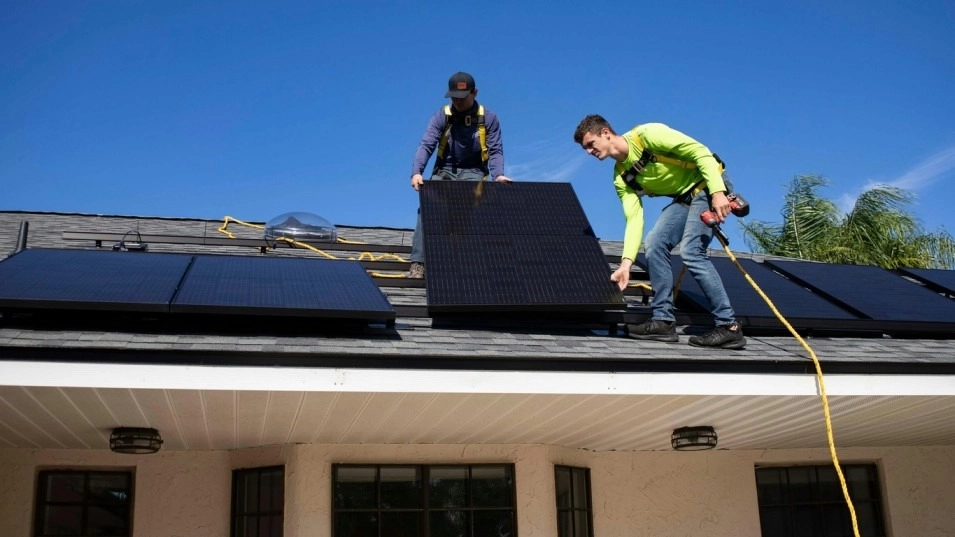
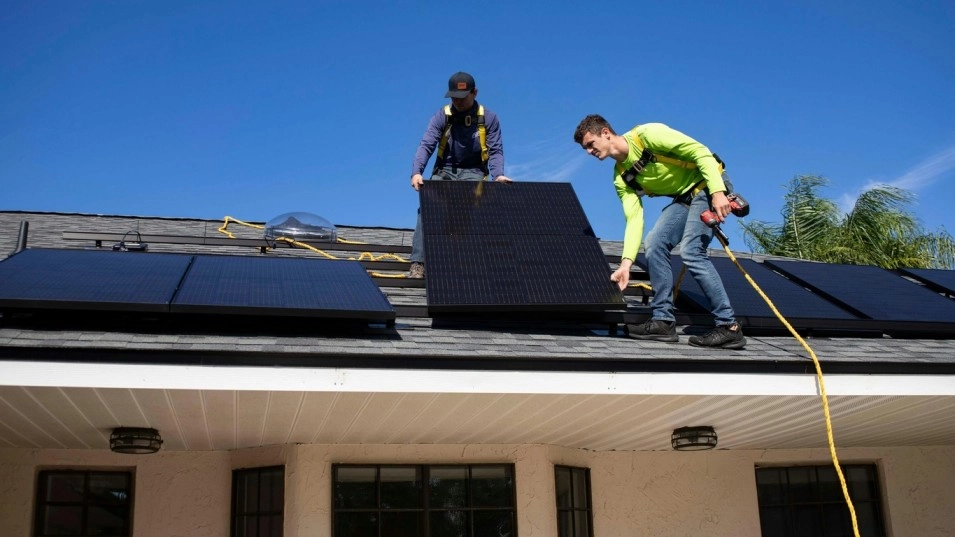
Colorado’s Renewable Energy Tax Credit covers 30% of solar panel installation costs. However, this credit is available only until 2032. From 2033, the credit will be 26%, only to decrease by another 4% in 2034. So, timing matters!
Similarly, Denver’s Property Assessed Clean Energy (PACE) program allows businesses to make eco upgrades easily. The program covers 100% of the project costs, whether for new windows, a better HVAC system, or anything else that boosts your building’s efficiency. And here’s the kicker: You can pay it back up to 30 years.
Even big projects can become affordable, ensuring your building's value rises. For contractors, this is a game-changer. It makes selling those more significant, impactful projects easier because the financing is accessible. Plus, don't forget those federal deductions from the Inflation Reduction Act. Even simple swaps, like switching to LED lighting, can qualify.
Ready to find your dream home in Colorado?
Let us help you. Call or Text Kenna Real Estate Group at 303-955-4220 to get personalized assistance from our expert real estate agents. Find out what your home is worth in today's market.
5. Steps to Start Your Sustainable Upgrade Journey
If you want to make your property greener and more efficient, start with this simple three-step plan:
- Audit First: Use tools like ClimateCheck to assess your property’s climate risks (e.g., wildfire smoke, drought, and heat waves). The tool reveals that Denver faces a high risk of heat, flood, and drought. Use it to your advantage.
- Prioritize ROI: Focus on upgrades with quick payback periods, like cool roofs or smart thermostats. Denver offers multiple incentives for sustainable upgrades, including unique renewable energy and water conservation programs.
Several financing options exist specifically for green building projects. These include Property Assessed Clean Energy (PACE) loans, which tie repayment to your property tax bill. When calculating ROI, look beyond energy savings. Consider increased property value, better tenant retention, and potential tax benefits.
- Collaborate: Work with contractors familiar with Denver’s codes. For example, AlphaGeo considers Denver a low-disaster city. Moreover, it considers the city more resilient than risky. However, it’s only valid if properties adapt, as high resilience offsets high risk. Qualified contractors will help minimize the risk.
Commonly Asked Questions
Q1. What is Denver’s Energize Denver program?
Energize Denver is a city initiative requiring large commercial buildings to reduce energy use. By 2040, buildings over 25,000 sq ft must cut emissions by 80%. Compliance includes installing energy-efficient systems, solar panels, and heat pumps. Non-compliance can lead to fines or increased operational costs.
Q2. What tax credits are available for Denver businesses investing in sustainability?
Denver businesses can benefit from the Renewable Energy Tax Credit, which offers 30% for solar panels. The Property Assessed Clean Energy (PACE) program funds eco upgrades with extended repayment plans. Businesses can also avail of federal incentives, like deductions under the Inflation Reduction Act, which apply to energy-efficient upgrades.
Q3. What Denver-specific building permits do I need for sustainable commercial upgrades?
The necessary permits will depend on your project scope. Roof replacements require standard building permits, while solar installations require electrical clearances. Major renovations affecting structural elements or changing building use involve more extensive permitting. Always check with Denver's Planning Department first.
Your commercial property can contribute to the city’s climate-resilient status while becoming more profitable. Start with an energy and risk audit to identify the most prominent upgrades and natural risks. Then, create a budget- and priority-based phased implementation plan.
Partner with sustainability experts who understand Denver's unique climate and regulatory environment. The right improvements will protect your investment and position your business for long-term success in Denver's evolving commercial landscape.