.jpg)


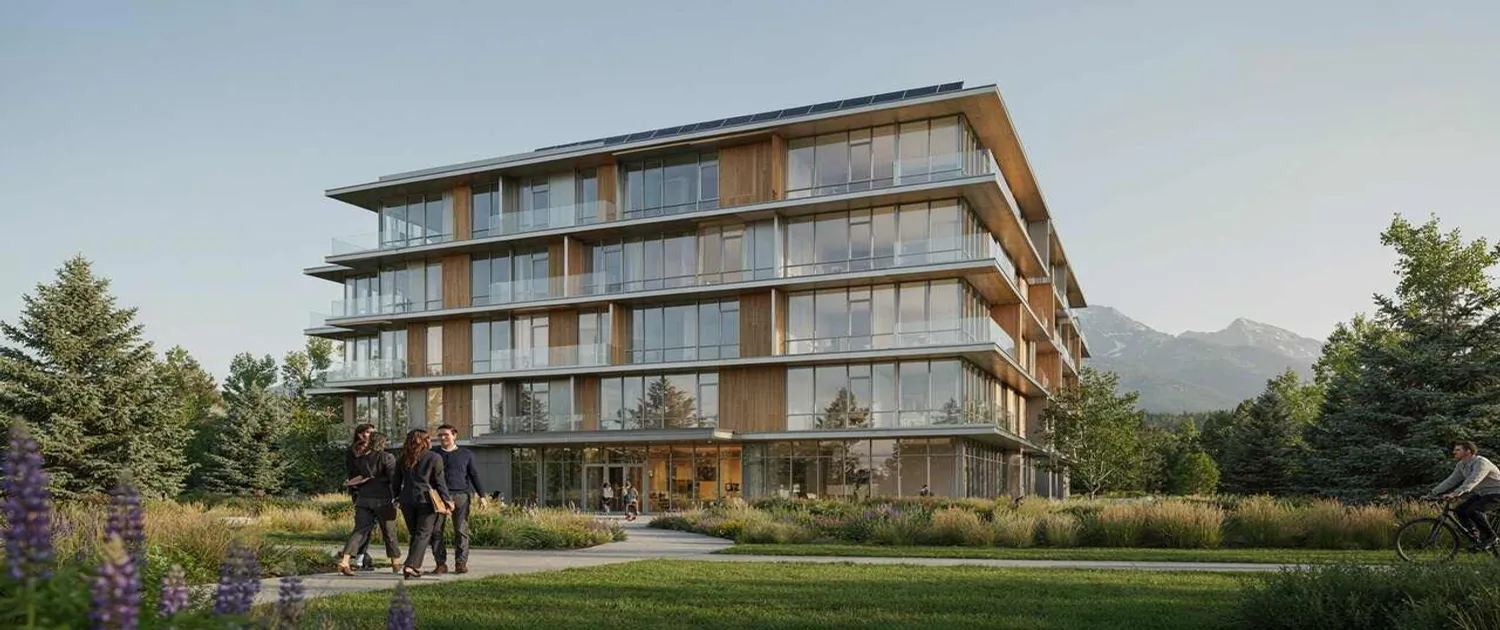
Colorado's building performance rules, Xcel Energy costs and 300 days of sunshine a year are changing how Denver metro commercial property owners plan every upgrade. A sustainable strategy now affects operating costs, financing terms and resale value, not just utility bills.
What building performance rules apply to commercial property in Denver?
Denver's Energize Denver ordinance requires owners of buildings at or above 25,000 square feet to benchmark energy use every year and meet declining energy-use targets on a set timeline. Buildings that miss a target face a fee tied to how far over the limit they run. Owners who plan upgrades early avoid the fee and spread the capital cost over several budget years instead of one.
Does Colorado have a statewide building performance law?
Beyond Denver, Colorado adopted a statewide building performance framework that pushes large commercial and multifamily buildings toward benchmarking and electrification over time. Boulder, Fort Collins and other Front Range cities are layering their own local energy codes on top of the state framework, so a portfolio with buildings in more than one city needs a compliance calendar for each address.
What is C-PACE financing and how does it work in Colorado?
Colorado's Commercial Property Assessed Clean Energy program (C-PACE), run through the Colorado New Energy Improvement District, lets an owner finance efficiency, water and renewable upgrades through a voluntary assessment on the property tax bill. Terms commonly run 15 to 20 years, the debt is tied to the property rather than the owner, and monthly utility savings commonly offset most of the payment. Lenders on the first mortgage have to consent before a C-PACE assessment closes.
Do Xcel Energy rebates cover commercial energy upgrades?
Xcel Energy, the primary gas and electric utility for the Denver metro, offers commercial rebate programs for lighting retrofits, HVAC upgrades, building controls and commissioning studies. Rebate amounts change by program year, so owners should confirm current numbers with Xcel before budgeting a project, then stack the rebate with C-PACE financing for the remaining cost.
How does solar work for commercial buildings at 5,280 feet?
Denver's roughly 300 sunny days a year and higher UV exposure at altitude push solar production above sea-level averages for the same panel count. Snow load, hail resistance and roof age matter as much as sun hours when sizing a system, and older single-ply roofs commonly need replacement before a solar array is installed and warrantied together.
What does a sustainable retrofit cost for a Denver office or retail building?
A lighting and controls retrofit on a mid-size Denver metro office building commonly runs $2 to $6 per square foot before rebates. A full HVAC replacement with efficient equipment runs higher, in the $15 to $30 per square foot range depending on system type and building age. Owners who phase the work over two or three budget cycles, using rebates and C-PACE for each phase, avoid financing the whole project out of cash flow at once.
How does hail season affect commercial roofing decisions in Colorado?
Front Range hail season runs through the spring and summer months, and a single storm can total a low-slope commercial roof. Impact-resistant roofing materials cost more upfront but reduce insurance premiums and avoid a forced, unplanned reroofing project that interrupts a sustainability retrofit already in progress.
Should a Colorado business buy or lease commercial space?
Buying gives a business control over the timeline for energy upgrades and the ability to use C-PACE financing and depreciation. Leasing shifts building-level compliance to the landlord but leaves the tenant with less say over utility costs. A tenant evaluating a 5- to 10-year lease should ask for the building's benchmarking score before signing; a business evaluating ownership should read the Colorado Real Estate Investing Guide for the buy-side numbers on commercial property.
How does energy benchmarking affect a commercial property's resale value?
Buyers and lenders increasingly ask for a building's benchmarking history during due diligence. A property that already meets its performance target sells with fewer negotiated credits than one facing a near-term compliance fee, because the buyer can underwrite the building without budgeting for a forced retrofit in year one.
What water efficiency rules apply to Denver commercial buildings?
Denver Water sets tap fees and, in drought years, watering restrictions that affect landscaping plans for commercial sites. Low-water landscaping and efficient fixtures reduce both the utility bill and the tap-fee exposure on a new build or major renovation.
How do metro districts affect commercial development costs in Colorado?
Many Front Range commercial developments sit inside a metro district that issues bonds for roads, utilities and public improvements, then repays the debt through a mill levy on top of the base property tax. A buyer or tenant should confirm the district's mill levy and bond balance before committing, since that cost shows up on the tax bill for decades.
What green building certifications matter most for Front Range commercial property?
LEED and Energy Star certification are the two labels Denver metro brokers see most commonly in commercial listings. Energy Star scores tie directly into Energize Denver benchmarking, so a building already tracking Energy Star has most of the compliance paperwork ready.
How does altitude and UV exposure affect building materials and HVAC load?
Higher UV exposure at 5,280 feet shortens the service life of roofing membranes, exterior paint and window seals compared with the same products at sea level. Wide day-to-night temperature swings also add heating and cooling load, which is why commissioning HVAC controls for Colorado's specific climate, not a generic default setting, saves more energy than the equipment swap alone.
What tenants are asking landlords about sustainability in the Denver market?
Larger tenants now ask for utility cost history, benchmarking scores and a building's electrification plan before signing a lease renewal. Retail and mixed-use developers track the same conversation at industry events such as MAPIC, where placemaking and sustainability increasingly sit on the same agenda as leasing terms.
How does a lifecycle asset management plan work for a commercial building?
A lifecycle plan tracks a building's systems, materials and expected replacement dates so an owner can budget upgrades instead of reacting to failures. Design choices at construction, including material selection covered in reporting on the sustainable real estate plan movement toward natural, lower-carbon materials, shape how much a building costs to operate for the next 20 years.
What financing options exist for Colorado commercial energy retrofits?
Beyond C-PACE and Xcel rebates, owners use cash-out refinancing, SBA 504 loans for owner-occupied buildings, and green bonds for larger portfolios. Comparing total cost of capital, not just the headline interest rate, on each option before committing to a retrofit budget avoids locking in financing that looks cheap on paper but carries high fees or restrictive covenants.
Where to go next
- Colorado Real Estate Investing Guide
- Denver Special District and Metro District Tax Guide
- Why Colorado Commercial Property Investors Are Betting on Prefabricated Steel Buildings
- The Denver Commercial Real Estate Market: Pros, Cons, Types
- Future-Proof Your Denver Commercial Property with Sustainable Upgrades
- Search every home and commercial listing in Colorado
Talk to the Kenna Real Estate Group
The Kenna Real Estate Group works with commercial buyers and sellers across the Denver metro on the buy-vs-lease decision, benchmarking exposure and financing structure for a sustainability retrofit. Call or text 303-955-4220. A live person answers. Not a robot, not a phone tree. Start by browsing search every home for sale in Colorado.