New - 30 Mins Ago

$219,900
Coming Soon
2
Beds
1
Baths
891
Sqft
--
Acres
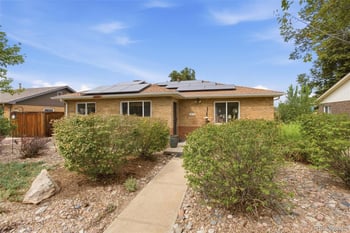
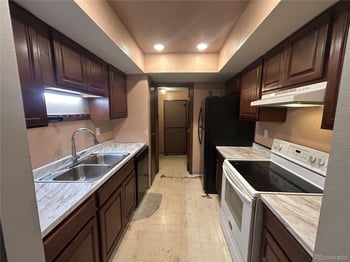
7665 E Eastman Ave #301D, Denver, CO 80231
MLS#: REC7240107
.jpg)



Five changes move the needle on Colorado property management: answer maintenance requests inside 24 to 48 hours instead of a week, inspect and service the systems that fail in Front Range weather before they fail, run rent, maintenance and screening through one platform instead of email and paper, keep tenant communication consistent and in writing, and stay current on the state's landlord-tenant law instead of relying on a lease template from another state.
A tenant who reports a leak or a furnace issue and hears nothing for a week starts documenting everything and stops renewing. Set an internal standard: acknowledge every request within 24 hours, even if the fix takes longer, and complete anything affecting heat, water or a lockable door within 48 hours. Colorado's warranty of habitability, C.R.S. 38-12-503, requires a landlord to keep a rental's heating, plumbing, electrical and structural systems in working condition, and an unreasonable delay after written notice is what turns a maintenance ticket into a legal complaint.
Reactive maintenance costs more in Colorado than in a milder climate because of how fast weather swings here. A furnace tune-up before October, a roof and gutter check before hail season begins in the spring, and draining exterior hose bibs before the first hard freeze each catch a $150 to $300 service call before it becomes a $2,000 to $8,000 emergency repair or a burst pipe claim. Build a seasonal checklist tied to the calendar, not to complaints, and a rental stays out of the "surprise repair" column of the budget.
| Seasonal task | Window | Cost to prevent vs. cost to repair |
|---|---|---|
| Furnace inspection and filter change | September | $100 to $200 vs. $3,000+ for a mid-winter furnace failure |
| Roof and gutter check | Before spring | $150 to $300 vs. $5,000 to $15,000 in hail or water damage |
| Drain and shut off exterior hose bibs | Before first hard freeze | $0 to $50 vs. $2,000 to $8,000 for a burst pipe |
| AC or evaporative cooler service | April | $100 to $200 vs. a mid-summer no-cool emergency call |
Tenant portals that combine rent collection, maintenance requests and lease documents in one place cut late payments because tenants can pay by card or bank transfer at 11 p.m. instead of waiting for a landlord to see a text. They also create a paper trail: a maintenance request logged in a portal, with a timestamp and photos, is the record a landlord needs if a habitability dispute ever reaches a magistrate. Most platforms designed for small landlords run $1 to $2 per unit per month, which is close to free next to what it saves in missed rent and disputed repair timelines.
Good tenant relations in Colorado means answering messages quickly and treating people with respect, not making verbal exceptions to the lease. A landlord who waives a late fee once informally, or accepts a partial payment without a written plan, sets a precedent that is hard to walk back and that a court will look at if the relationship later ends up in eviction court. Put every accommodation in writing, even a friendly one, so the lease stays the reference point for both sides.
Colorado's HB23-1099 requires a landlord to accept a portable tenant screening report that is 30 days old or newer and bars charging an application fee when a tenant provides one. Combine that with a consistent, written screening standard applied the same way to every applicant, income at least a set multiple of rent, verifiable rental history, a background check, and a landlord that follows this process avoids both a fair-housing complaint and a bad tenant placement, which is the more expensive outcome of the two.
Denver is the only major Front Range city that requires a rental license for long-term rentals, at $50 per unit with an inspection every four years; most surrounding cities do not license a single-family rental but still enforce the state's habitability and deposit law. A security deposit in Colorado must be returned, or itemized with a written statement, within one month of move-out unless the lease sets a longer period up to 60 days. Missing that deadline exposes a landlord to a penalty on top of the deposit itself, so calendar it the day a tenant gives notice.
A dated, photographed move-in checklist signed by the tenant is the single best protection against a deposit dispute in Colorado. Walk every room, note existing wear, and get the tenant's signature before the keys change hands. Repeat the same checklist at move-out against the same list, and a landlord has a defensible record for every deduction claimed against the deposit.
Colorado's HB24-1098 requires a landlord to have a specific, listed cause, such as nonpayment, a lease violation or the owner moving into the unit, before ending a tenancy or declining to renew, even on a month-to-month lease. A landlord managing a Front Range rental without knowing this law risks issuing a notice that a court throws out, which restarts the clock and adds weeks of lost rent to a situation that was already a problem. Keep a written record of the specific cause and the notice period required for that cause before any non-renewal or termination notice goes out.
Every maintenance invoice, mileage log for property visits, and capital improvement receipt feeds directly into the depreciation and expense schedule a CPA files for a Colorado rental. A property manager or landlord who stores these in the same platform used for maintenance requests turns tax season from a scramble into an export, and it is the same documentation that supports a cost basis if the property sells or moves into a 1031 exchange later.
Front Range landlords who track all of the above themselves save the management fee, but the time cost is real: seasonal maintenance scheduling, screening compliance, deposit deadlines and eviction notice requirements each carry a real penalty for getting it wrong. Weigh that time and legal exposure against the fee before deciding to self-manage a second or third property.
A Denver metro property manager runs 8% to 10% of collected rent monthly, plus a leasing fee of 50% to 100% of one month's rent to place a new tenant and $100 to $300 for a renewal. For an owner without the time to hit the 48-hour maintenance standard or track Colorado's screening and deposit deadlines personally, that fee buys back the time and reduces the legal exposure that comes from missing a statutory deadline.
The Kenna Real Estate Group works with Front Range landlords who self-manage and with owners ready to hand a rental off entirely, and we can walk you through which approach fits your property. Call or text 303-955-4220. A live person answers. Not a robot, not a phone tree. Or search every home for sale in Colorado to see what a well-run rental looks like on the market.
Questions about any home in Colorado? Call or text 303-955-4220. A live person answers.
Acknowledge every request within 24 hours and resolve anything affecting heat, water or a lockable door within 48 hours. Colorado's warranty of habitability requires systems to be kept in working condition after written notice.
One month after move-out, unless the lease sets a longer period up to 60 days. Missing the deadline exposes the landlord to a penalty in addition to returning the deposit.
Yes. Colorado's HB23-1099 requires accepting a screening report that is 30 days old or newer and bars charging a new application fee when the applicant provides one.
Yes, Denver requires a $50 per-unit rental license with an inspection every four years. Most surrounding Front Range cities do not license single-family rentals but still enforce the state's habitability law.
A September furnace tune-up, an early-spring roof and gutter check ahead of hail season, and draining exterior hose bibs before the first hard freeze. Each catches a $100 to $300 service call before it becomes a multi-thousand-dollar repair.
8% to 10% of collected rent monthly, plus a leasing fee of 50% to 100% of one month's rent for a new tenant and $100 to $300 for a renewal.
A dated, photographed room-by-room record of existing condition, signed by the tenant before keys change hands. It is the strongest evidence in a deposit dispute at move-out.
Yes. Portals that let a tenant pay by card or bank transfer at any hour, with automatic late fee assessment, consistently collect faster than a landlord who invoices by text or email.