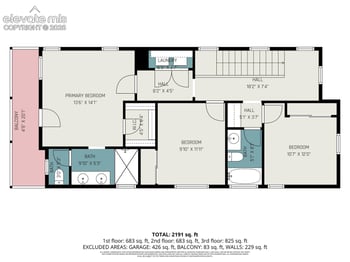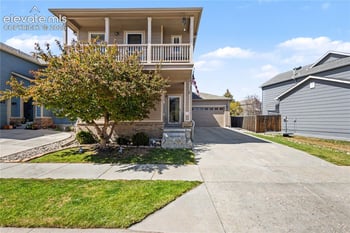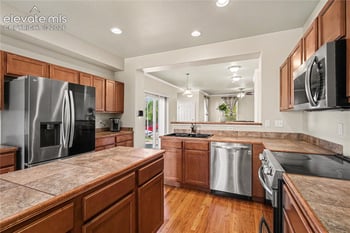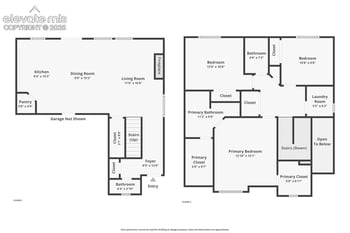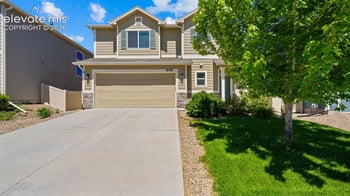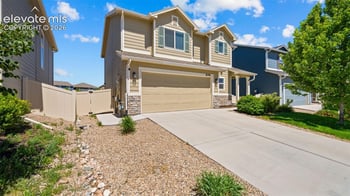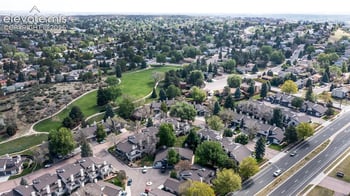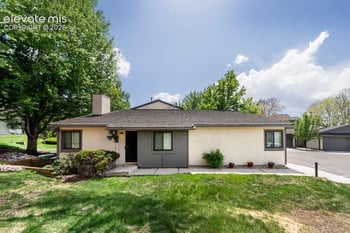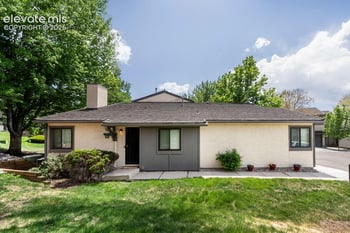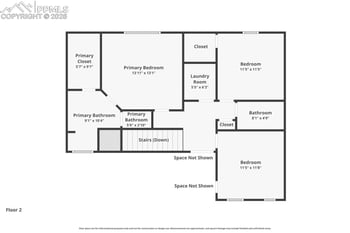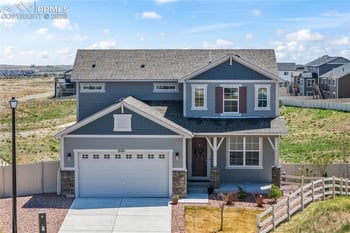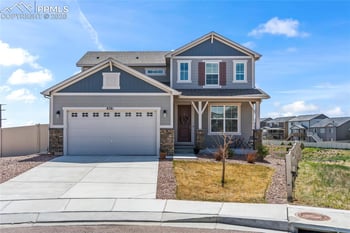
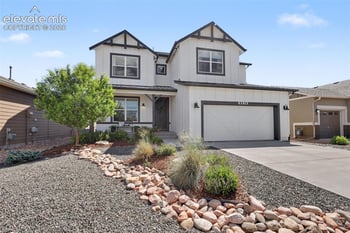
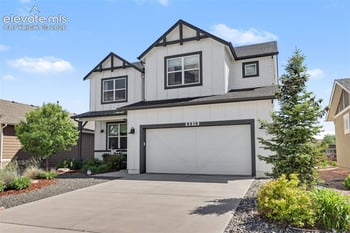
$735,000
Active Under Contract
5
Beds
4
Baths
3670
Sqft
0.1463
Acres
6519 Tumble Creek Dr, Colorado Springs, CO 80924
MLS#: 7287032
.jpg)


A house number has one job: let a visitor, delivery driver, or emergency crew find the right home in seconds, day or night. On the Front Range, that means picking a material and placement that survives hail, intense UV at altitude, and snow cover, while still reading clearly from the street.
Mail carriers, delivery drivers, and emergency responders all depend on a number that reads instantly from a moving vehicle. A poorly placed or faded number costs minutes an ambulance or fire crew does not have, and it costs a delivery driver an extra pass down the block. Clear numbering is a basic, low-cost fix that affects every visit to a home, not just first impressions.
Three conditions make a house number legible from the street: contrast against the background surface, a size proportional to the setback from the road, and a placement free of plants, shadows, or porch posts. A dark number on a light wall, or a lit number on a dark wall, reads faster than a number that blends into its background. As a baseline, numbers should stand at least 4 inches tall for a home set close to the street and closer to 6 to 8 inches for a longer driveway or a home set back from the road.
Stainless steel or brushed aluminum numbers mounted a half-inch off the wall create a shadow line that adds depth and reads well in daylight and under porch lighting. They resist rust and hold their finish through Front Range freeze-thaw cycles better than painted materials, though a direct hail strike can dent thinner gauges.
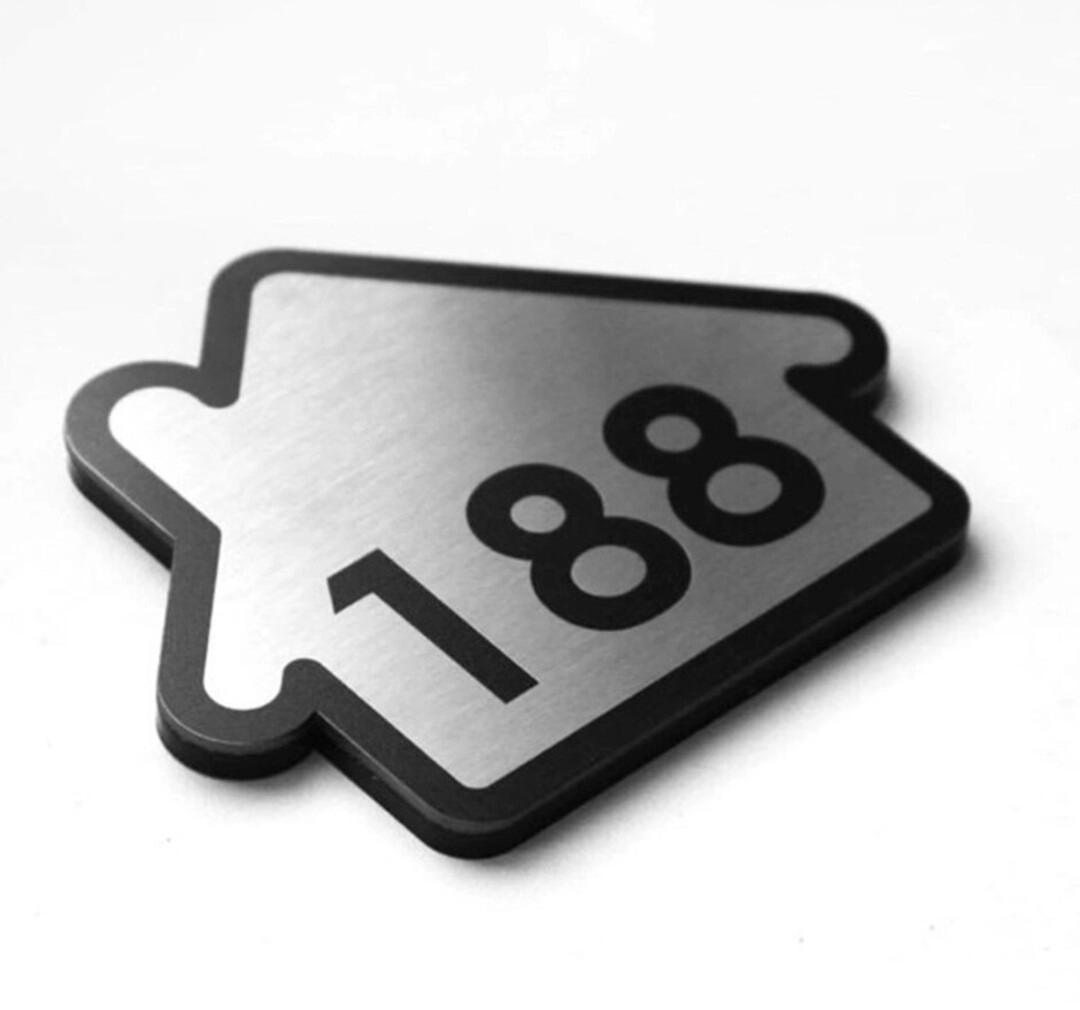
A plaque that pairs a stainless steel number with a frosted or backlit acrylic panel gives strong daytime contrast and can include integrated lighting for nighttime visibility. These hold up well against UV exposure at altitude, which fades cheaper plastics faster than in lower-elevation climates.
A backlit or solar-powered number stays legible after dark without relying on a porch light that is off or burned out. Solar options avoid running new wiring, which matters on an older Front Range home where updating exterior electrical adds cost. Check that any solar unit is rated for Colorado's cold winter nights, since battery performance drops in low temperatures.
A ground-level stone or concrete marker near the driveway or mailbox works well on a property with a long setback from the street, where a wall-mounted number alone is not visible from the road. These markers hold up against hail and wind since they sit low and have no moving parts, but they need clear sightlines and should not be hidden behind landscaping as shrubs mature.
Modern house numbers in a clean sans-serif font suit contemporary and mid-century Front Range homes and read faster at a glance than script or serif styles. Choose a finish, such as matte black or brushed metal, that contrasts clearly with the home's siding or stucco color rather than matching it.
On a street without consistent streetlighting, common in parts of unincorporated Douglas and Jefferson counties, an illuminated number sign mounted near the front door or at the curb helps visitors and responders find the address after sunset. Motion-activated versions save on power draw compared with a number lit continuously all night.
Fire departments and ambulance crews across the Front Range identify the seconds spent searching for an address as a real factor in response time, especially at night or during a snowstorm when landscaping and drifted snow cover a low-mounted number. A number placed at eye level near the front door, plus a second number on a curbside mailbox or post for a home set back from the street, gives responders two chances to confirm the address without slowing down. Rural and unincorporated areas of Douglas, Elbert, and Weld counties, where homes sit on larger lots, benefit most from a visible curbside marker in addition to the door number.
A modern sans-serif number suits a contemporary or mid-century Front Range home, while a home with more traditional detailing, such as a brick colonial or craftsman bungalow, reads better with a number in a classic serif or block style. Match the metal finish to existing exterior hardware: matte black pairs with black window frames and light fixtures, while brushed nickel or bronze suits a home with warmer exterior tones. Keep the number style consistent across the house, mailbox, and any address marker near the driveway so the address reads as one system rather than three mismatched pieces.
Placement rules vary by city and HOA. Denver's municipal code requires house numbers visible and legible from the street; Aurora, Lakewood, Centennial, and Colorado Springs each maintain similar requirements through their building or fire codes. Many Front Range HOAs add their own rules on number size, font, and mounting location as part of the community's design standards, so check the covenants before installing a new number set, especially on a home inside a metro district with its own architectural review process.
| Style | Installed Cost |
|---|---|
| Floating metal numbers (4 to 6 digits) | $60 to $250 |
| Acrylic and steel backlit plaque | $150 to $450 |
| Solar-powered illuminated numbers | $80 to $300 |
| Engraved stone or concrete marker | $200 to $900 |
| Full exterior electrical run for hardwired lighting | $300 to $800 |
A buyer forms a first impression before reaching the front door, and a faded, mismatched, or hard-to-read number stands out the same way a cracked walkway does. Pairing new house numbers with fresh exterior paint and clean landscaping is one of the lowest-cost ways to improve first impressions before listing. Review the preparing and adding value before selling guide for the full list of low-cost improvements Front Range buyers notice first.
Yes, if the current numbers are faded, mismatched to the home's style, or hard to read from the street. It is one of the least expensive updates on a pre-listing checklist and photographs well for listing photos and yard signs. Pair it with a Smart Pricing Report conversation about which other exterior updates are worth the cost before a showing.
Small exterior details like house numbers, lighting, and landscaping shape a buyer's first impression of a Front Range home before they walk through the door. The Kenna Real Estate Group can point out which low-cost updates matter most before a showing. Call or text 303-955-4220. A live person answers. Not a robot, not a phone tree. Ready to look? Search every home for sale in Colorado.
Questions about any home in Colorado? Call or text 303-955-4220. A live person answers.
At least 4 inches tall for a home close to the street, and 6 to 8 inches for a home set back on a longer driveway or a larger lot.
Many do, setting rules on size, font, and mounting location as part of the community's design standards. Check the covenants before installing new numbers.
Stainless steel and acrylic-steel combination plaques resist UV fading at altitude and freeze-thaw wear better than painted or plastic numbers, though a direct hail strike can still dent thinner metal.
On streets without consistent lighting, common in parts of unincorporated Douglas and Jefferson counties, a backlit or solar-powered number helps visitors and responders find the home after dark.
Most Front Range installations run $60 to $450 depending on material and whether lighting is added; an engraved stone marker for a long driveway runs higher, from $200 to $900.
Yes. Denver's municipal code and similar rules in Aurora, Lakewood, Centennial, and Colorado Springs require numbers visible and legible from the street for emergency response.
Yes, if the current numbers are faded or hard to read. It is one of the lowest-cost updates on a pre-listing checklist and shows well in listing photos.
Floating numbers sit a half-inch off the wall and create a shadow line that reads well in daylight and porch lighting; flush-mounted numbers sit directly against the surface for a simpler look.