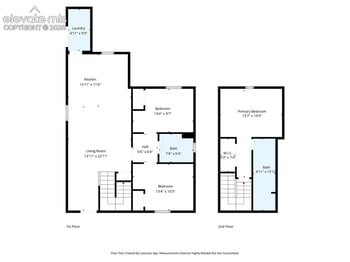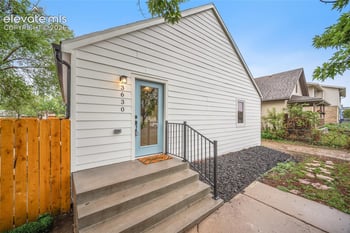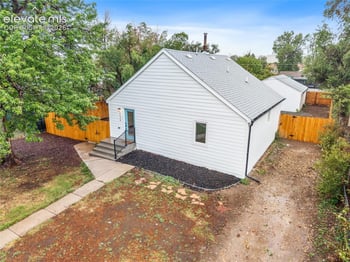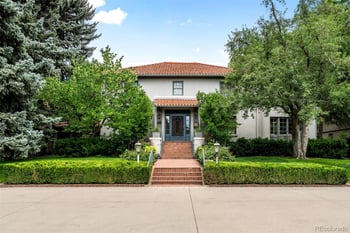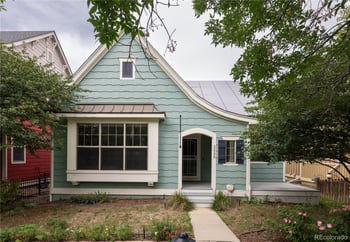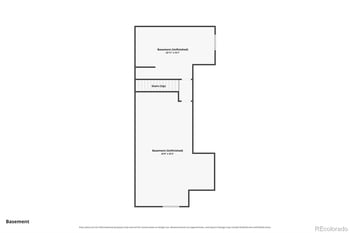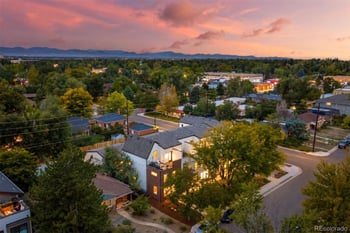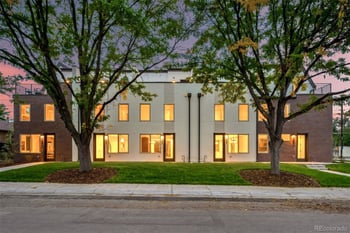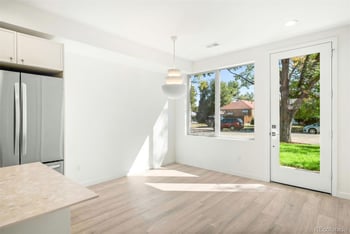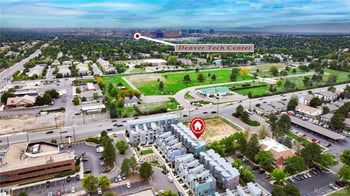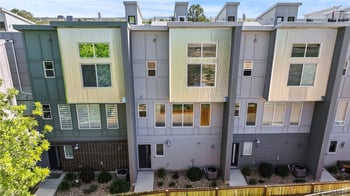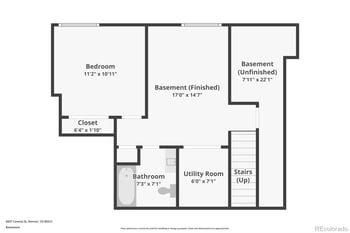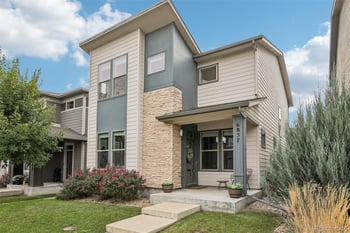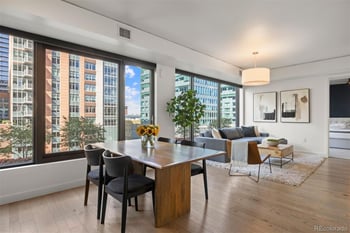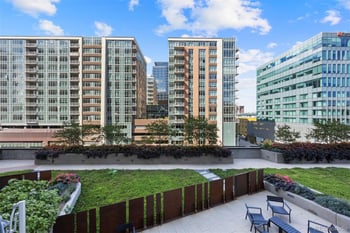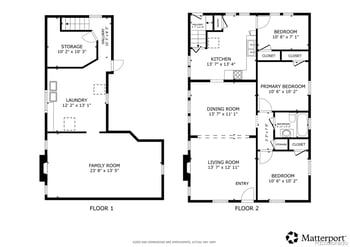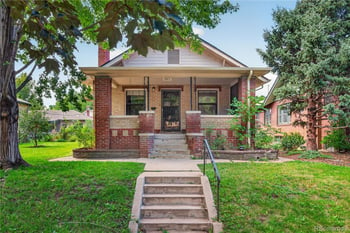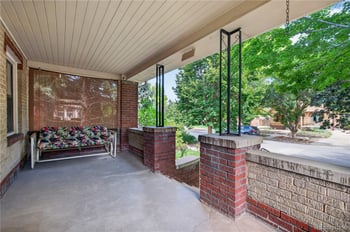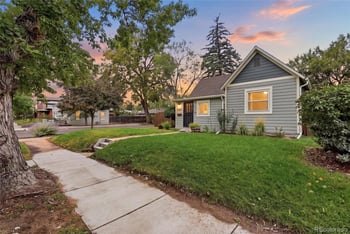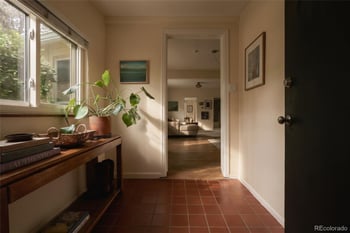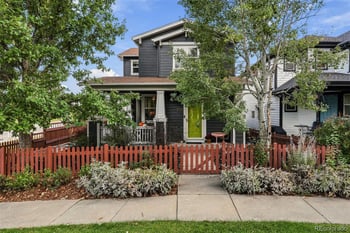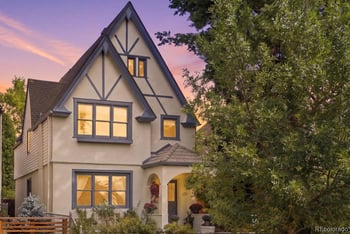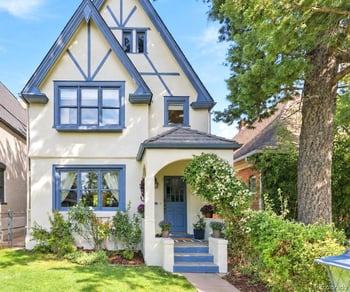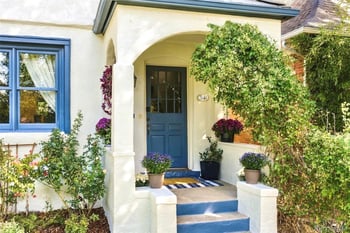
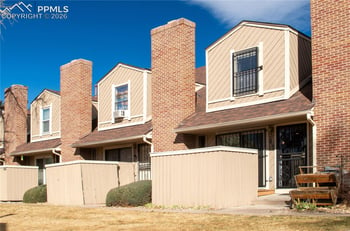
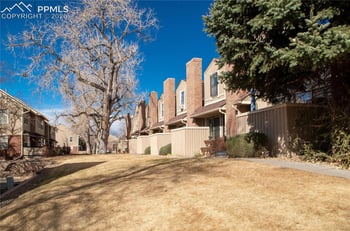
$345,000
Pending
3
Beds
2
Baths
1538
Sqft
0.0202
Acres
3300 W Florida Ave #48, Denver, CO 80219
MLS#: 9397860
.jpg)



Renovating a Front Range apartment means working within a lease, not against it. The upgrades that pay off in Denver, Aurora, Lakewood and Littleton apartments are reversible, budget-friendly and aimed at comfort, storage and photos, not structural change.
Most Colorado leases allow cosmetic, reversible changes (removable wallpaper, curtains, shelving that does not damage walls) and restrict permanent changes (painting without approval, altered flooring, plumbing or electrical work). Read the lease's alterations clause and get any change approved in writing before starting.
Only with landlord approval in writing, and most Front Range leases require a return to the original color at move-out or charge a repaint fee from the security deposit. Ask for written approval and confirm the exact color before painting.
Interlocking foam or vinyl click-tile flooring lays over existing flooring without adhesive and lifts cleanly at move-out. A large area rug does the same job for less cost in a living room or bedroom and works well over the vinyl plank flooring common in newer Denver metro apartment buildings.
Front Range indoor humidity drops to 10% to 25% in winter, which cracks wood furniture, dries out houseplants and irritates sinuses in a small, sealed apartment faster than in a larger home with more air volume. A console humidifier sized for the square footage keeps humidity closer to the 30% to 40% comfort range and protects wood furniture and trim.
Colorado gets close to 300 days of sun a year, and a west-facing unit in Denver, Aurora or Lakewood heats up fast in the late afternoon. Blackout cellular shades or UV-filtering film cut glare and heat without a permanent window change, and both remove cleanly at move-out.
Plug-in sconces and LED strip lighting add warmth to a rental without any electrical work, and warm-toned LED bulbs (2700K to 3000K) read better in photos and in person than the cool white bulbs many Front Range apartment buildings install as standard.
Yes, when installed on a clean, primed wall and removed slowly per the product's instructions; test a small hidden section first, since some older paint finishes in Front Range buildings lift with adhesive-backed products. Ask a landlord in writing before applying anything to walls.
Room dividers (a bookshelf, a curtain track, a folding screen) separate a studio's sleeping and living zones without a wall. Multi-purpose furniture (a fold-down desk, a daybed) makes a one-bedroom function as an office and guest space without a full second room.
| Upgrade | Typical cost | Reversible at move-out |
|---|---|---|
| Peel-and-stick wallpaper (1 wall) | $60 to $150 | Yes |
| Interlocking floor tile (living room) | $150 to $400 | Yes |
| Console humidifier | $60 to $200 | Yes (portable) |
| Blackout cellular shades | $100 to $300 per window | Yes |
| Landlord-approved repaint | $200 to $600 DIY | Commonly requires reverting at move-out |
Skip anything that alters plumbing, electrical wiring, load-bearing structure or permanent flooring adhesive; these void a lease's alterations clause fast and risk the full security deposit. Skip drilling into tile or stone counters, which most Denver metro leases explicitly prohibit.
Colorado law requires landlords to return a security deposit, minus documented damage beyond normal wear, within a set number of days after move-out as spelled out in the lease. Photograph the unit before any upgrade and again at move-out to document that reversible changes were fully removed.
Neutral, reversible upgrades (a rug, warm lighting, curtains) photograph well for a sublease listing or a renewal walkthrough without creating a dispute over permanent alterations. For inspiration, check out this modern dark academia living room for how color choices change a space without touching the walls permanently, and before starting, it is worth consulting renovation guidance at kbhi.com.au to keep a project aligned with budget and lease terms.
Once upgrade spending on a rental starts approaching what a down payment assistance program or a starter-home mortgage payment would cost monthly, it is worth a real numbers comparison. See what a first Front Range home purchase actually requires in the first-time home buyer guide for Colorado.
Townhome rentals across Centennial and Littleton commonly carry the same HOA-level restrictions as owned units even when the resident is renting, so check the association's exterior and common-area rules in addition to the lease before hanging anything on a patio, balcony rail or shared entry. Interior upgrades (rugs, lighting, removable wallpaper) fall outside most HOA rules and only need landlord sign-off.
The renovation rules themselves come from the lease and the property owner, not the city, so a Colorado Springs apartment follows the same reversible-upgrade logic as a Denver or Aurora unit. The main practical difference is climate: Colorado Springs runs slightly drier and windier than Denver, so window treatments that block wind-driven dust matter as much as ones that block sun.
A renter refreshing every room of a one-bedroom Front Range apartment with reversible upgrades (rugs, lighting, an accent wall, storage, a humidifier) commonly spends $500 to $1,200 total, well under the cost of even one month of live home staging and fully recoverable through use rather than left behind at move-out.
When renovating around a lease starts costing more than it should, the Kenna Real Estate Group can lay out what owning a Front Range home actually costs by comparison. Call or text 303-955-4220. A live person answers. Not a robot, not a phone tree. Search every home for sale in Colorado at kennarealestate.com/homes.
Questions about any home in Colorado? Call or text 303-955-4220. A live person answers.
No. Most Colorado leases require written landlord approval for painting and commonly require a return to the original color at move-out.
Interlocking foam or vinyl click tile lays over existing flooring without adhesive and lifts cleanly at move-out; a large area rug does the same job for less.
Front Range indoor humidity runs 10% to 25% in winter; a console humidifier sized for the unit's square footage brings it closer to the 30% to 40% comfort range.
Commonly yes, when applied to a clean, primed wall and removed slowly, though some older paint finishes in Front Range buildings lift with adhesive-backed products, so test a hidden spot first.
Any change to plumbing, electrical wiring, load-bearing structure or permanent flooring adhesive, plus drilling into tile or stone counters, which most Denver metro leases prohibit outright.
Colorado law requires the deposit back, minus documented damage beyond normal wear, within the timeline set in the lease; photograph the unit before and after any upgrade to protect the deposit.
Blackout cellular shades or UV-filtering film cut the late-afternoon glare and heat common in west-facing Front Range units, and both remove without damage at move-out.
Once ongoing upgrade spending approaches the monthly cost of a starter-home mortgage payment, it is worth comparing the numbers against a first Front Range home purchase.