
.jpg)


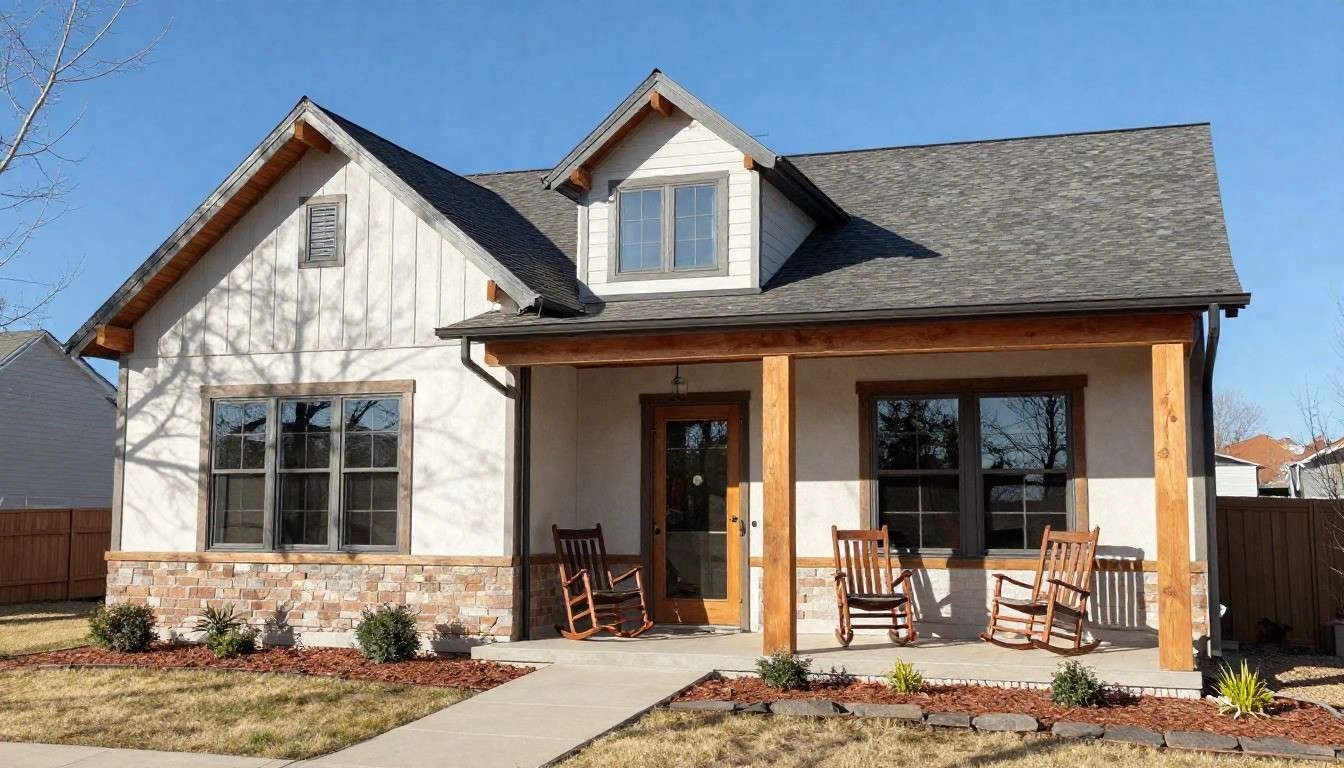
A 200-square-foot front porch runs $8,000 to $24,000 in the Denver metro, needs a building permit, and recovers 60% to 80% of its cost at resale in most cases when it fits the house and the neighborhood. Front Range frost depth, HOA review, and hail-resistant roofing are the three factors that change the math from what a national cost guide shows.
A straightforward front porch, structurally simple compared to a back porch, runs $40 to $120 per square foot fully loaded with materials and labor in the Denver metro, which puts a 200-square-foot build at $8,000 to $24,000. A back porch runs closer to 50% more for the same footprint because it needs ledger-board attachment to the house, flashing, and roof tie-in. A screened porch built from scratch runs $10,000 to $35,000, while adding screening to an existing covered porch runs $2,000 to $5,800.
Yes, in every Front Range city and county. A covered porch needs a building permit, and the roof framing frequently needs a separate structural review. Permit fees run $300 to $1,500 depending on the jurisdiction, and inspections can add two to three weeks to the timeline. A build itself takes four to six weeks once the permit clears.
Denver metro building code requires footings to sit below the frost line, which runs roughly 30 to 36 inches deep along most of the Front Range. That is deeper than warmer-climate markets, where shallow piers pass inspection, and it adds excavation cost and time to a Colorado porch build. A contractor who has pulled Front Range permits before prices this into the bid from the start; one working from a national average estimate frequently underbids the foundation work.
Nearly always. A front porch changes the home's exterior and its street-facing appearance, which puts it squarely inside most Front Range HOA architectural review requirements. Submit the porch design, materials, and paint or stain color to the HOA committee before applying for the city or county permit, since a rejected design after construction starts is far more expensive to fix than a delayed start.
Setback rules govern how close a porch can sit to the property line, and corner lots carry the strictest requirements in most jurisdictions because two sides of the lot count as street-facing. A covered porch that extends into a required front setback needs a variance in most Front Range jurisdictions, which adds weeks to the process. Check the property's zoning classification and platted setback lines before finalizing a porch design.
Hail season on the Front Range runs from spring through September, and a porch roof takes the same direct hail exposure as the main roof. Impact-resistant shingles, rated Class 4, cost more upfront but hold up better against Front Range hail than standard three-tab shingles, and some Colorado insurers offer a premium discount for a Class 4 roof. Matching the porch roofing material and color to the existing house roof also protects the resale value of the addition.
UV exposure at 5,280 feet and above is stronger than at sea level, and it breaks down exterior stain and paint faster on the Front Range than in lower-elevation markets. Pressure-treated pine framing and decking needs staining or sealing every two to three years to hold up under Colorado sun, while composite decking holds its color longer without the recurring maintenance cost.
| Porch Type | Typical Cost (200 sq ft) | Resale Recovery |
|---|---|---|
| Front porch | $8,000 to $24,000 | 60% to 80% |
| Back porch | $12,000 to $36,000 | 55% to 75% |
| Screened porch (new build) | $10,000 to $35,000 | 50% to 70% |
| Wraparound porch | $12,000 to $30,000 per 100 sq ft | Varies by architecture fit |
A porch that matches the home's architecture and the neighborhood's existing porch coverage recovers 60% to 80% of its cost at resale, which is a stronger return than most interior remodeling projects. A mismatched porch, a stripped-down modern facade with a bolted-on traditional porch, or a front entry that sits behind a dominant garage view, sells the addition short. Before spending on a porch to prepare for a sale, run a Smart Pricing Report to see whether the project moves the home into a stronger comparable range.
Pressure-treated pine is the cheapest framing and decking option but needs re-staining every two to three years under Front Range sun and lasts 10 to 15 years. Composite decking from brands like Trex or TimberTech costs roughly twice as much upfront, skips the staining cycle entirely, and lasts 20 years or more. Cedar sits in between on cost and lasts longer than pine with less frequent treatment.
In foothill communities near the wildland-urban interface, from Golden and Morrison up into the mountain corridor, a porch's roofing and decking materials matter for defensible-space compliance. A Class A fire-rated roof and non-combustible or fire-treated decking reduce the risk a porch adds to the structure during wildfire season, and some Front Range counties require this documentation as part of the building permit in mapped wildfire zones.
The 2025 Cost vs. Value data shows wood decks recovering roughly 95% of their cost nationally and composite decks around 88%, both stronger than a porch's 60% to 80% range. A deck costs less per square foot to build than a covered porch in most cases because it skips the roof structure, which is part of why decks post a higher percentage recovery even though a porch adds more year-round usable space in a Front Range climate with a shorter deck season.
A standard porch permit clears in two to four weeks in most Front Range jurisdictions once the application, site plan, and structural drawings are complete. Adding an HOA review ahead of the permit application, rather than in parallel, keeps a rejected HOA design from forcing a redraw of permit paperwork that has already been submitted.
A porch project taking four to six weeks plus permitting rarely pencils out before a fast-moving listing timeline. Sellers weighing the project should compare the estimated cost against a current home value estimator figure and a Front Range comparable set before committing, since a home priced correctly for its current condition frequently outperforms a renovate-then-list strategy on net proceeds after carrying costs.
The Kenna Real Estate Group helps Front Range homeowners weigh a porch or curb-appeal project against a home's actual comparable value before spending on it. Call or text 303-955-4220. A live person answers. Not a robot, not a phone tree. Curious what your home is worth right now? Search every home for sale in Colorado.
Questions about any home in Colorado? Call or text 303-955-4220. A live person answers.
A standard 200-square-foot front porch runs $8,000 to $24,000, or $40 to $120 per square foot fully loaded with materials and labor.
Yes. Frost depth along the Front Range runs roughly 30 to 36 inches, so footings need to sit below that line, which adds excavation cost compared to warmer-climate markets.
In nearly every Front Range HOA community, yes, since a porch changes the home's street-facing exterior. Submit plans to the architectural review committee before applying for the building permit.
Class 4 impact-resistant shingles cost more upfront but resist hail damage better than standard shingles, and some Colorado insurers offer a discount for installing them.
Composite decking costs roughly twice as much upfront but skips the staining cycle and lasts 20+ years; pressure-treated pine costs less but needs re-staining every two to three years under Front Range sun.
Industry data on porch additions specifically shows a 60% to 80% recovery range, similar to national averages, when the porch matches the home's architecture and the neighborhood norm.
Permitting runs two to four weeks in most Front Range jurisdictions, and construction takes another four to six weeks once the permit is issued.