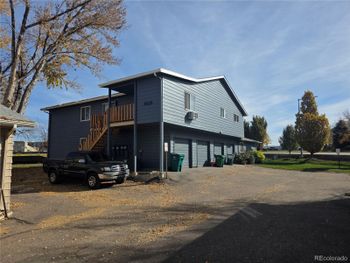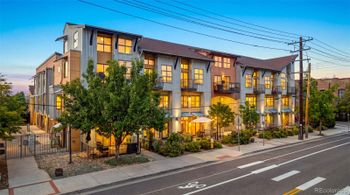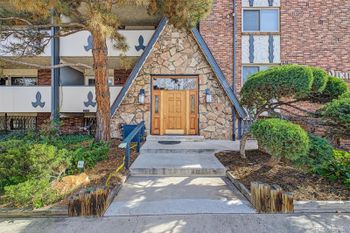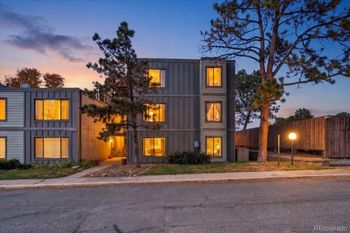
Two homes can have Aurora mailing addresses and belong to entirely different school districts. The city's Rocking Horse and Inspiration neighborhoods near Gartrell Road are in Douglas County School District. Other Aurora addresses fall within Cherry Creek School District or Aurora Public Schools.
Centennial has a similar distinction. Some homes are served by Cherry Creek, while others are in Littleton Public Schools. The city name on a real estate listing won't tell you which schools a particular property qualifies for.
That's worth knowing before you narrow your home search around a school or district. If you're comparing homes in Denver, Cherry Creek, Jeffco or Douglas County, you'll need to look beyond district reputations and find out what each address actually offers.
The biggest differences aren't always academic. One address might guarantee a seat at a specific neighborhood school. Another could place your child in an enrollment zone where several schools share the assignment. And a home in a growing subdivision may have a different elementary school assignment by the time your child enrolls.
Here's how to compare those possibilities before buying.
Start With the Home's Address, Not Its ZIP Code
School district boundaries don't necessarily follow city limits, county lines or ZIP codes. A nearby campus isn't necessarily the school your child would attend, either.
Start with the full street address of each property on your shortlist. Use the district's official school locator to identify the assigned elementary, middle and high schools. If you have children in different grades, check the results for each child's entering grade.
This matters even if you're buying a home years before your youngest child starts middle school. The elementary school might be convenient, but the next school could be across a major road or require a different transportation arrangement.
Also check the enrollment year. A locator may show the current assignment without making future boundary changes obvious. That's especially relevant in new developments, where additional homes and schools can change attendance boundaries.
If a new-construction address isn't recognized, contact the district's admissions or planning department. Don't substitute the nearest school or rely on the school's name in the listing.
Once you've confirmed which district serves each address, the next question is what that district guarantees.
How Denver's Four Major Public School Districts Differ
Denver Public Schools: A Neighborhood School Isn't Always a Single School
Denver Public Schools (DPS) offers neighborhood enrollment, but not every address works the same way.
Some addresses have a traditional boundary school. For eligible K–12 students living within that boundary, DPS guarantees a seat at the designated school. Families who want that school can register directly without entering the SchoolChoice lottery.
Other addresses belong to enrollment zones. These zones include several schools, and eligible resident students are guaranteed a seat at one of them, rather than at one particular campus.
Imagine finding a Denver home within a short walk of a school you want your child to attend. If that address belongs to an enrollment zone, proximity may affect application priority, but it doesn't guarantee admission to that school.
Families in enrollment zones use the SchoolChoice process to rank their preferences. Placement depends on available seats, admission priorities and the district's lottery rules.
You can see the distinction yourself in the DPS School Finder. Enter the address and your child's entering grade. The results identify whether the address has a neighborhood school or belongs to an enrollment zone.
The district also explains boundary schools and enrollment zones, including how proximity preferences operate within elementary zones.
Families can apply to other DPS schools through SchoolChoice, including schools offering specialized programs. Choice-only schools and programs don't carry a neighborhood enrollment guarantee.
One qualification matters if you're looking at preschool: the DPS guaranteed-seat provisions described here apply to eligible K–12 district residents. Preschool students and out-of-district applicants don't receive the same guarantee.
For a homebuyer, the practical difference is clear. A boundary address may provide one specific school as the fallback. An enrollment-zone address provides access to a group of schools, with the individual placement determined through SchoolChoice.
Cherry Creek School District: Verify the Boundary Before Comparing Schools
Cherry Creek School District serves portions of several south and southeast metro communities, including Aurora, Centennial and Greenwood Village.
But those municipal names cover more than one school situation. A house in Centennial isn't automatically part of Cherry Creek, and neither is every Aurora property.
The Cherry Creek School Assignment & Locator Tool makes this relatively straightforward. Enter the property's physical address and review the schools listed in the results.
There's a useful warning built into the tool: "No Zoned School" means the address is outside Cherry Creek School District.
If you're comparing homes near a boundary, that result can settle an important question before you spend time researching a school the address doesn't qualify for.
The district's boundary map provides additional geographic context. Its planning and enrollment information also covers approved boundary and overflow changes, which can affect assignments in particular attendance areas.
Cherry Creek allows families to request schools outside their assigned attendance area through School Choice. However, offers depend on available seats and lottery priorities. Having a sibling at a school may improve an applicant's priority without guaranteeing acceptance.
Transportation creates another distinction. Families whose children attend through choice outside their attendance area generally must provide their own transportation, except where the law requires otherwise.
Suppose you're choosing between two homes with similar layouts and purchase costs. If one address has an assigned school that works for your household and the other depends on a choice placement across town, the enrollment uncertainty and daily driving obligations deserve attention alongside the homes themselves.
Jeffco Public Schools: Follow the School Path Beyond Elementary
Jeffco Public Schools covers a broad area west of Denver, including communities such as Lakewood, Arvada, Golden and portions of the foothills.
Its schools are organized into 17 articulation areas. These connect neighborhood attendance areas and help families understand the progression between elementary, middle and high school.
The district's Articulation Areas & Maps page links to School Finder and the attendance boundary maps.
That gives families a way to look beyond their child's immediate grade.
A home near an elementary school in Lakewood may seem convenient now. But if your child will enter middle school in two years, the next assignment may change the school commute. Check that transition while the property is still on your shortlist, rather than assuming the entire school path stays close to home.
Jeffco also permits choice enrollment at schools with available seats through EnrollJeffco.
There's an important catch if your backup plan is to return to the neighborhood school. Once you accept a choice-school offer, that school becomes your child's designated school for the next year. Jeffco says families who change their minds must submit a Round 2 application to return to their neighborhood school. That application receives priority under district policy, but the return is no longer guaranteed.
The district explains this in its enrollment questions.
So if you're considering a Jeffco property because of a particular elementary school, confirm both the assigned school and the alternatives. Applying for another school can offer flexibility, but accepting the offer changes the enrollment situation.
Transportation also requires a separate check, especially for homes in foothill communities or areas with less direct road connections. We'll return to Jeffco's bus lookup when comparing daily school trips.
Douglas County School District: The Enrollment Year Can Change the Answer
Douglas County School District serves a large part of the southern metro area, including Highlands Ranch, Lone Tree, Castle Pines and Castle Rock.
The Douglas County School Locator Map identifies neighborhood school assignments by address. Under the district's admissions rules, an eligible resident student has guaranteed placement at the assigned non-charter school.
Families may request another non-charter school, but that placement depends on available space. Charter schools operate separate admissions processes and aren't guaranteed through a neighborhood attendance boundary.
For buyers considering newer communities, there's an additional question: Will the current boundary still apply when the child starts school?
Lone Tree's Lyric neighborhood provides a concrete example.
Douglas County has approved attendance boundaries for Echo Bluffs Elementary, a new preschool-through-fifth-grade school scheduled to open for the 2027–28 school year.
Beginning that year, households within the new boundary will be assigned to Echo Bluffs instead of Eagle Ridge Elementary.
The district has also provided a transition option for certain students already attending Eagle Ridge. Those families can request to remain, but they must follow the district's process. Students who stay at Eagle Ridge under that arrangement generally won't receive district bus transportation, except for required services such as those specified in an individualized education plan.
A family buying into Lyric for the 2027–28 school year shouldn't assume it inherits the same options as a family whose child was already attending Eagle Ridge.
The district's Echo Bluffs boundary page explains the adopted attendance area and transition provisions.
This is why a school-year question belongs in the home search, not just in the enrollment paperwork. For a new home in Lone Tree, Castle Pines or another developing area, ask the district whether approved future boundaries will affect the address. The current school map is useful, but it isn't always the last word.
What If the School You Want Isn't Assigned to the Address?
A household may like its assigned school but still want to apply elsewhere for a particular program, grade configuration or other educational need.
Colorado's school choice framework provides opportunities to request public schools outside a neighborhood assignment. It doesn't mean every school must accept every applicant.
The four districts manage those applications differently. DPS uses SchoolChoice, Cherry Creek has its own choice lottery, Jeffco uses EnrollJeffco, and Douglas County has an open enrollment process.
Before relying on an alternative school, find out how applications work for your child's grade. Ask whether the school has space, which admission priorities apply and whether a sibling's enrollment changes the application. Certain specialty and charter programs may have their own requirements.
Also ask what happens if your child isn't accepted.
For a family with two children, the answer might be different for each one. A choice offer for a fifth grader doesn't automatically settle a younger sibling's placement. And if one child gets an offer and the other doesn't, you may be looking at two school trips every morning.
Keep the neighborhood assignment or enrollment-zone option visible as you compare homes. It's the practical fallback if your preferred application doesn't produce a seat.
The School Commute Can Change Which Home Works
When two homes are on opposite sides of the metro, the school trip can matter just as much as the commute to work.
Picture a family comparing a house in Lone Tree with one farther west near C-470. Both might offer workable routes to a job, but the assigned schools, bus arrangements and pickup routines could be entirely different.
Even a short drive can become less convenient when it involves crossing I-25, reaching a school during arrival traffic or coordinating an afternoon pickup with a work schedule.
Before you buy, test the trip at the time you'd actually make it. If you're counting on a bus, don't assume that living a certain distance from school automatically qualifies your child for service.
Jeffco's Bus Routes page links to InfoFinder, an address-based tool for neighborhood schools, bus stops and scheduled route times.
There are limits. New-construction addresses may not appear, and InfoFinder doesn't show ordinary results for choice-enrolled students. Some transfer and combined routes also require direct confirmation from the transportation department.
Jeffco publishes bus fees for full-time and part-time riders, with waivers for qualifying students. Check the current fee schedule and eligibility when estimating transportation costs; those amounts can change between school years.
Cherry Creek generally places transportation responsibility on families attending a choice school outside their assigned attendance area. Douglas County open enrollment can also mean arranging your own transportation. Exceptions for students entitled to transportation services need to be confirmed individually.
Then look beyond the bus or car ride.
If your child needs before-school care, an after-school program or transportation to activities, those arrangements may change the real cost of a school option. Compare program availability and charges, fuel, driving time and how much flexibility your household has on days when the normal plan doesn't work.
This is also a property consideration. A home with a larger yard or a preferred layout may be worth a longer school drive to one household. Another may prefer a different home because its daily trips are easier. Neither decision requires declaring one school district better than another.
How to Compare Public Schools Without Relying on Rankings
Once you've established which schools an address offers, you can look more closely at the individual campuses.
The Colorado Department of Education provides SchoolView, an official source for school and district information.
Use it to review the available data and develop questions for schools you're considering. Districtwide figures can provide context, but they shouldn't substitute for investigating the actual campus your child might attend.
Depending on your household, the important questions may concern academic programs, grade availability, language instruction, accessibility services, extracurricular activities or the transition into high school.
For example, a family interested in an arts program may need to investigate admissions or participation requirements. Another may care more about whether after-school care is available for a younger child. Those choices involve details that a single school rating can't explain.
School performance data also doesn't tell you whether a home qualifies for enrollment. Keep those two inquiries separate: use district tools for address assignment and official school information to investigate program fit.
Put Every Home on Your Shortlist Through the Same Check
Say you're comparing a Denver home, a house in Centennial, an established Jeffco property and a newer home in Lone Tree.
Rather than asking which district is best overall, build a record for each specific property. You need enough information to compare what the address provides against what your family would have to arrange separately.
For each home, record:
District and assigned schools: Identify the public-school district and the elementary, middle and high school assignments. If an address belongs to a DPS enrollment zone, record the zone and its schools rather than treating one campus as guaranteed.
Preferred school and backup: If you want a different school or program, document the application process and what your family would do if admission isn't offered.
Transportation and costs: Check bus eligibility, school arrival and dismissal times, possible fees, childcare and the actual driving route.
Enrollment year and grade transitions: Look for adopted boundary changes, new schools and the next school your child would enter.
Source and confirmation: Save the official lookup result, the date you checked it and any written clarification from the district.
The comparison becomes especially useful when two houses have different strengths.
One property might offer the layout and outdoor space you want, while another reduces the number of daily trips your household would need to make. A third may have an assigned school that works, but an upcoming boundary change requires another conversation with admissions.
If anything is unclear, confirm it with the district before treating the assignment as settled. Official maps can change, and final enrollment still requires the applicable residency documentation and district procedures.
Choosing a Denver-Area Home With Schools in Mind
School access belongs alongside the other practical considerations in a home purchase: the property's condition, layout, monthly ownership costs, neighborhood roads and commute.
Start with the actual address, not a district's reputation. Confirm what the address guarantees, understand what requires a separate application and check how the school routine would fit your household.
If you're still narrowing the broader housing search, The Kenna Group at Keller Williams DTC's Moving to Denver guide can help you compare home types, everyday trips and location tradeoffs before you focus on individual properties.
The goal isn't to find a district that someone else has ranked first. It's to know which public-school options each home actually provides, what alternatives are available and which uncertainties you can resolve before making a purchase decision.