
.jpg)


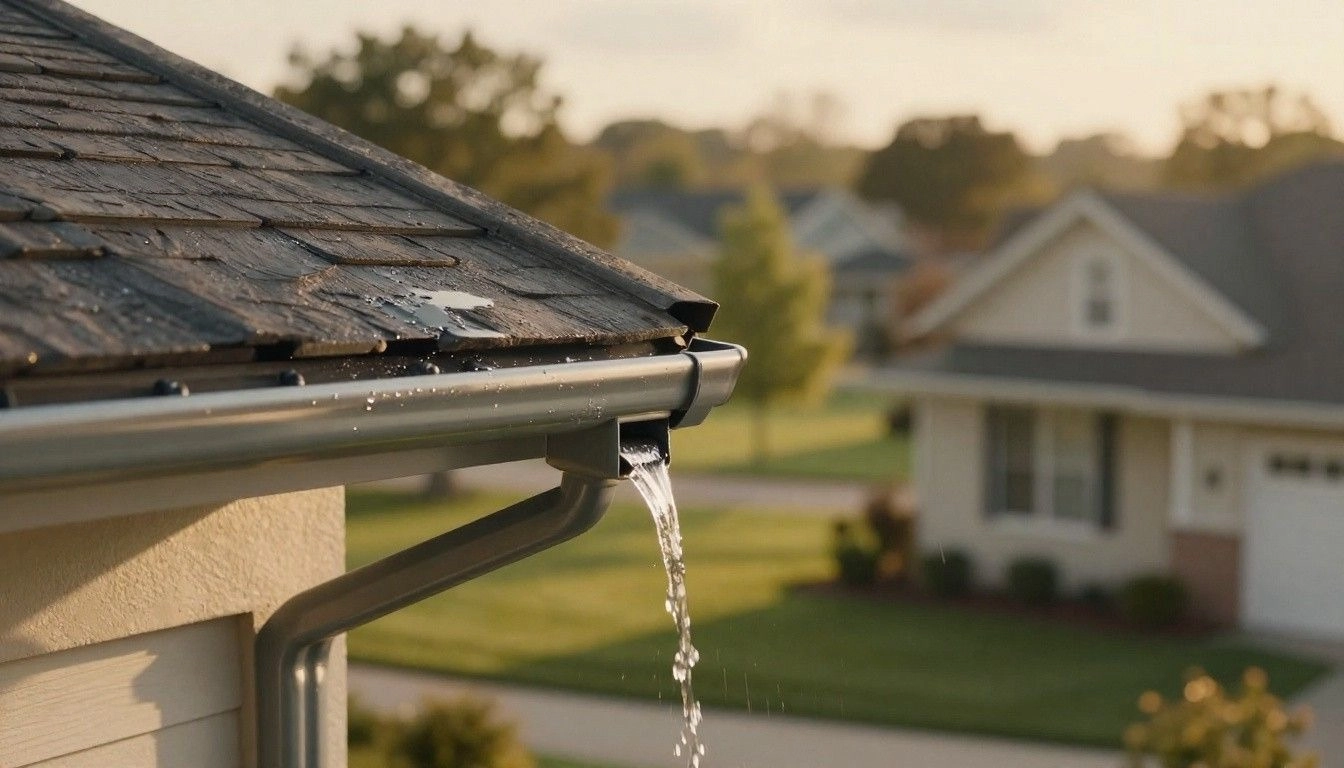
A SnapLock gutter system attaches to the fascia through a continuous hidden rail instead of dozens of individual screw or spike holes, which removes the most common leak point on a traditional fastened gutter. On a Colorado home, where freeze-thaw cycling works every fastener hole loose a little more each winter, that difference matters more than it does in a milder climate.
A standard fastened gutter run is held to the fascia with a screw or spike every 24 to 32 inches, and each one is a hole through the fascia board and a potential leak path. The Front Range runs dozens of freeze-thaw cycles each winter as daily temperatures swing 40 degrees or more, and that cycling gradually loosens fasteners and widens the gap around each hole, letting water behind the gutter and into the fascia.
A SnapLock system mounts a continuous rail to the fascia and the gutter snaps onto it, distributing hold strength along the full length of the run instead of concentrating stress at individual fastener points. Fewer, or no, penetrations through the fascia mean fewer places for water to find its way behind the gutter and start rotting the wood underneath.
Wooden fascia boards that stay wet behind a leaking gutter rot from the inside out, invisibly in most cases, until the gutter itself starts to sag or pull away from the roofline. Replacing rotted fascia means pulling the gutter off entirely, which turns a routine gutter job into a bigger repair. Reducing the number of penetrations into the fascia is the most direct way to prevent this.
Colorado hail season runs mid-April through mid-September, and gutters on the storm-facing side of a house take real hail impact every year. Heavier-gauge aluminum or steel gutters resist denting better regardless of fastening method; the fastening system affects leak risk and how well the gutter stays attached to the fascia during a wind-driven hailstorm, not the dent resistance of the material itself. A one-piece formed gutter, made on-site in one continuous run with no horizontal joints, reduces leak points along the run but still relies on fasteners at the fascia unless installed with a snap-lock or hidden-hanger system.
A Front Range summer downpour can drop an inch of rain in under an hour, and a gutter without enough pitch toward the downspout overflows at the low point regardless of how well it's fastened. A properly pitched gutter, roughly a quarter inch of drop per 10 feet of run, moves that volume of water to the downspout before it overtops the front edge.
Ice dams that form at the roof edge in winter can fill a gutter with ice and add enough weight to pull a poorly fastened gutter away from the fascia entirely. A gutter system with distributed hold strength along a continuous rail resists this better than one relying on individual fasteners spaced along the run, though the underlying fix for ice dams is attic insulation and ventilation, not the gutter system itself.
Cottonwood seed fluff in early summer and pine needles from foothills landscaping clog gutters faster in Colorado than leaf debris alone would in most climates. A gutter guard reduces cleaning frequency but does not eliminate it; a homeowner should still plan on checking gutters after the cottonwood season and again in fall.
One-piece formed aluminum gutters commonly run $7 to $14 per linear foot installed in the Denver metro, which puts an average home's gutter system in the $2,000 to $5,000 range depending on roofline complexity. A SnapLock or hidden-hanger upgrade adds a modest premium over basic spike-and-ferrule installation but reduces the callback rate for leaks and fascia damage, which is where the long-term value shows up.
Front Range HOAs that regulate exterior color commonly extend that to gutters and downspouts, especially where they're visible from the street. Confirming the approved color with the HOA before ordering avoids a mismatch that has to be redone.
An inspector checks gutter attachment, pitch, and any visible fascia staining as part of a standard Colorado home inspection, since a poorly attached or leaking gutter system points to ongoing water intrusion risk. A seller addressing gutter problems before listing avoids that item showing up as a negotiation point during an inspection objection; buyers can read the Colorado Home Buyer's Guide for what else shows up on a standard inspection report.
Properly maintained gutters also protect the wooden fascia board itself from ongoing exposure; understanding what fascia is and how it fails helps a homeowner catch the problem before it spreads to the roof deck. Keeping a gutter run level and properly pitched over its full length is what actually prevents overflow during a heavy storm, covered in more detail in this guide to gutter installation and leveling. Homeowners considering a SnapLock upgrade should ask an installer about residential gutter installation experts who specifically offer the hidden-rail system rather than only traditional spike-and-ferrule mounting.
The Kenna Real Estate Group helps Colorado sellers fix the small exterior items, gutters included, that show up on an inspection report before they cost a negotiation. Call or text 303-955-4220. A live person answers. Not a robot, not a phone tree. Or search every home for sale in Colorado right now.
Questions about any home in Colorado? Call or text 303-955-4220. A live person answers.
It attaches to the fascia through a continuous hidden rail instead of individual screw or spike holes every 24 to 32 inches, which removes most of the common leak points.
Front Range freeze-thaw cycling, dozens of cycles each winter, gradually loosens fasteners and widens the gap around each hole in a traditionally mounted gutter.
Yes, especially lighter-gauge aluminum. Heavier-gauge aluminum or steel resists denting better regardless of the fastening method used.
One-piece formed aluminum gutters commonly run $7 to $14 per linear foot installed, putting an average home's system around $2,000 to $5,000 depending on roofline complexity.
They reduce clogging but don't eliminate it; plan on checking gutters after cottonwood season each summer and again in fall regardless of guards.
Yes. Ice filling a gutter adds significant weight, and a poorly fastened gutter can pull away from the fascia; a continuous-rail system resists this better than spaced fasteners.
Many HOAs that regulate exterior color extend that to gutters and downspouts visible from the street, so confirming the approved color before ordering avoids a redo.
Yes. Inspectors check attachment, pitch, and fascia staining as part of a standard inspection, since a failing gutter system points to ongoing water intrusion risk.