Open: Sat 10:00 AM - 12:00 PM

$595,000
Coming Soon
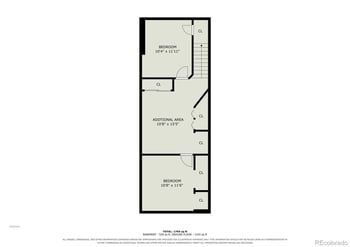
5
Beds
2
Baths
2580
Sqft
0.18
Acres
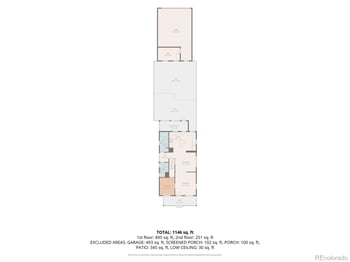
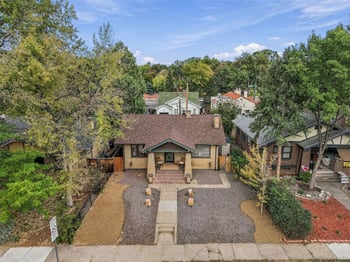
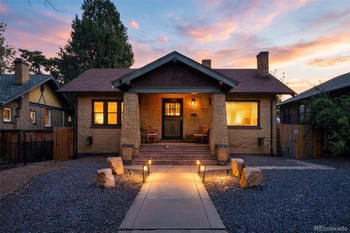
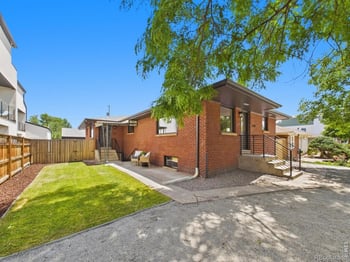
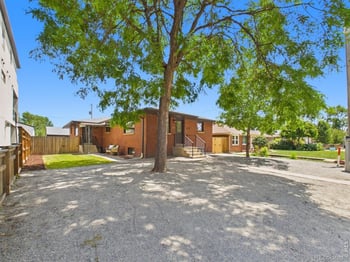
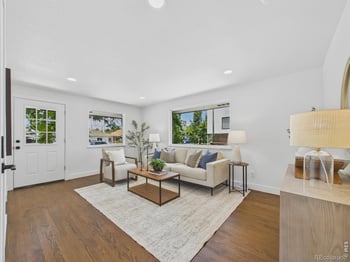
3275 S Raleigh St, Denver, CO 80236
MLS#: REC5511965
.jpg)


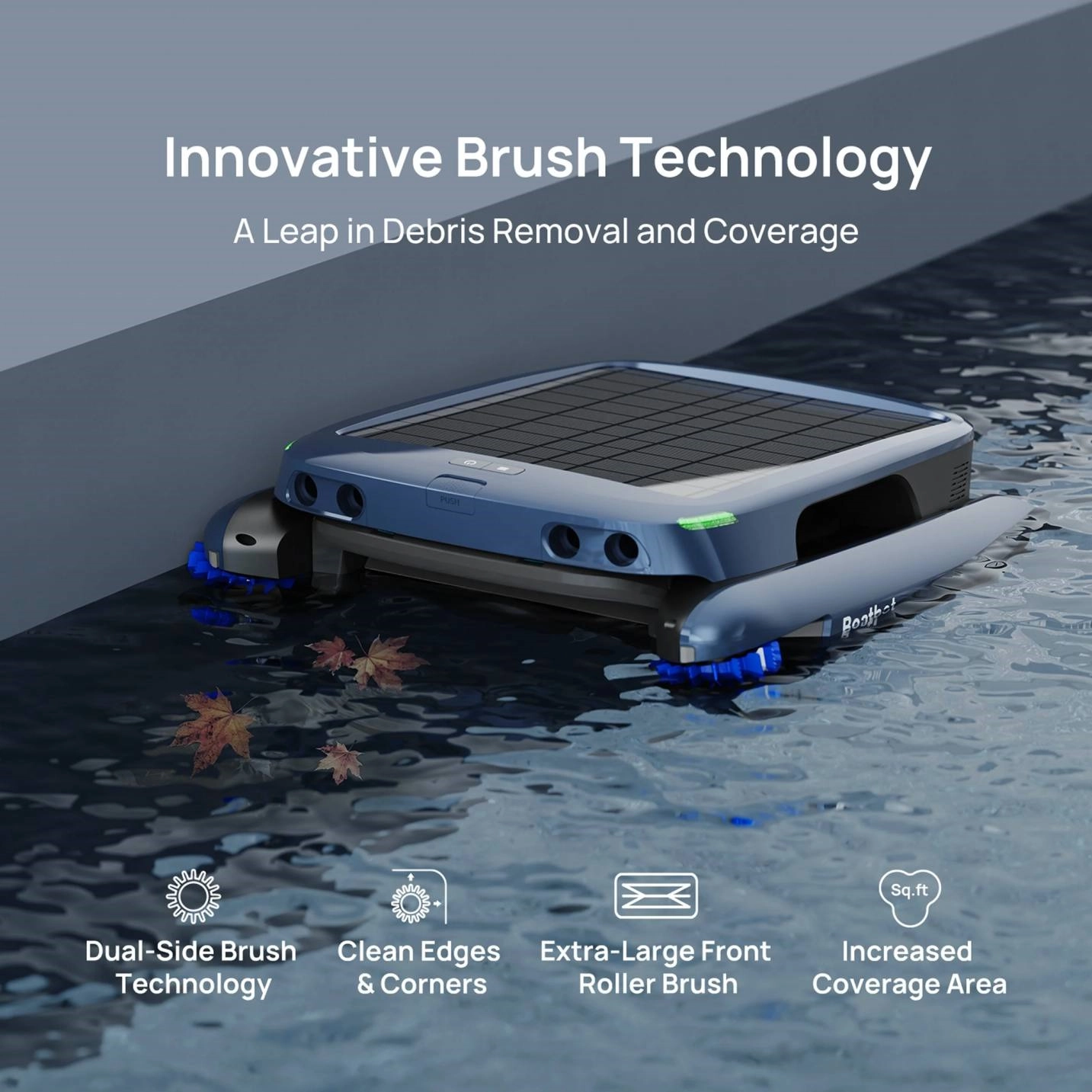
A cordless pool vacuum earns its price in Colorado when it finishes a full clean in under 90 minutes on one charge, because the outdoor pool season on the Front Range runs about 14 to 16 weeks, Memorial Day to Labor Day. Buy for the debris a Colorado yard actually produces — cottonwood fluff and hail-stripped leaves early in the season, wind-blown dust and grit the rest of it — not just for pool size.
Most Denver metro pools open around Memorial Day and close before the first hard freeze, which lands in early October in Denver, Aurora and Lakewood and two to three weeks earlier above 7,000 feet in places like Evergreen or Conifer. That gives a working owner roughly 100 to 115 days of open water a year. A cordless pool vacuum that takes a week to charge and set up eats a real share of that window, so charge time and a quick-start routine matter more here than in a climate with a six-month season.
Denver sits at 5,280 feet, where UV intensity runs roughly 25% higher than at sea level. Stronger sun raises water temperature faster on hot afternoons and speeds up algae growth after a warm, still stretch. Colorado's dry air also means more dust and cottonwood seed blowing into open water than in humid climates, where leaf litter is the bigger problem. A vacuum with a fine-mesh filter basket, not just a coarse leaf trap, handles Front Range debris better than one built for a shaded, leafy backyard.
Denver Water and most Front Range utilities deliver moderately hard water, and evaporation in the dry climate concentrates minerals in a pool faster than in humid regions. Calcium scale builds up on tile lines, pump seals and vacuum brush housings within one or two seasons if the water balance isn't checked. Rinse the vacuum's brushes and intake after every run and keep calcium hardness in the 200 to 400 ppm range to protect both the pool's plaster and the auto cleaner pool equipment itself; you are free to use any brand of test kit or pool service to check it.
Battery-powered cordless models run $400 to $900 at retail. Plug-in robotic cleaners with a longer cord and a full pool-floor-and-wall cycle run $700 to $1,600. Suction-side cleaners that attach to the existing pump run $150 to $400 but pull power (and run time) from equipment already working overtime in dry, dusty conditions. For a Front Range owner cleaning a short season hard, the extra $300 to $500 for a cordless pool vacuum with a strong battery and a fine filter pays for itself in fewer manual net-and-brush sessions.
| Type | Typical cost | Best fit for a 14-week Colorado season |
|---|---|---|
| Cordless battery vacuum | $400 – $900 | Weekly dust and cottonwood cleanup, no pump tie-in |
| Corded robotic cleaner | $700 – $1,600 | Full floor-and-wall coverage, larger pools |
| Suction-side cleaner | $150 – $400 | Lowest upfront cost, adds load to the pump |
A cordless unit fits best on a patio or deck with no nearby outlet, which describes most backyard pools in Highlands Ranch, Castle Rock and Parker. A corded robotic cleaner fits a larger in-ground pool near the house where an outlet and a place to store the cord are already built in. A suction-side cleaner fits a tight budget on a small pool, with the trade-off of adding wear to a pump that already runs harder at altitude to move the same volume of water.
Highlands Ranch (HRCA), Castle Rock's metro districts and most Denver-area HOAs with design review committees restrict visible equipment: pump housings, filter units and stored pool gear behind a fence or landscape screen, not on a front-facing side yard. A cordless vacuum's charging dock and storage caddy count as visible equipment in most HOA design guidelines. Check the covenants before buying a dock that has to sit in view, and confirm any exterior storage box against the HOA's architectural review process before installing one.
Hail season on the Front Range runs spring through September, with the heaviest activity in the Denver metro and along the I-25 corridor. A hailstorm strips leaves and green debris into open water within minutes and can pit a vacuum's plastic housing if it's left uncovered on a deck. Store the vacuum and its charging dock under a patio roof or in a garage during storm season, and check pool covers for hail damage before each use — a torn cover lets more debris in than none at all.
Denver Water and most Front Range utilities set summer watering schedules and can restrict hose use during drought stages, which affects topping off a pool after normal evaporation or refilling one after a leak repair. Check the local utility's current watering rules before a full refill, and ask about pool-fill permits in cities that require one for large water draws. A working vacuum that keeps water clean cuts the number of partial drain-and-refill cycles a pool needs for algae or scale, which matters when refilling is restricted.
Front Range winterizing services charge $200 to $450 to blow out lines, add antifreeze, drop the water level and install a winter cover before the first hard freeze. Skipping it on a pool with cracked or frozen lines can cost several thousand dollars in spring repairs. A clean pool going into winterizing (no algae, no built-up scale) also cuts the technician's time and the bill.
An in-ground pool is far less common on the Front Range than in warm-climate markets, and buyer reaction splits by lifestyle: buyers who want a summer pool value it, while some buyers see a 14-week season as ongoing upkeep for three months of use. A clean, well-maintained pool with visible, recent equipment photographs better and raises fewer inspection questions than one with green corners or a worn liner. See the Kenna Real Estate Group's guide to preparing and adding value before selling for which outdoor upgrades pay back at closing and which don't.
Highlands Ranch, Castle Rock, Parker, Cherry Hills Village, Greenwood Village and parts of Colorado Springs carry more in-ground residential pools than older Denver neighborhoods, where lot sizes are smaller. Browse pool homes directly by exploring Highlands Ranch, Castle Rock, Parker or Colorado Springs.
Run a cordless vacuum two to three times a week during the peak months and daily for 48 hours after a hailstorm, high wind event or a weekend with heavy swimmer traffic. A single weekly run is not enough to keep up with cottonwood season, which peaks in early summer on the Front Range.
Ask for the run time on a full charge (60 to 120 minutes is standard for a mid-size residential pool), the battery's rated cycle count, and whether the battery is replaceable without sending the whole unit in for service. A one- to two-year warranty on the motor and battery is standard; anything shorter is a sign the manufacturer doesn't expect the unit to survive repeated Colorado sun and temperature swings.
Most Front Range building departments require a fence or approved barrier around a residential pool, and many HOAs add rules about cover color, material and storage. Build the vacuum's dock and cord storage into the same enclosure the fence code already requires, rather than adding a second visible storage box the HOA architectural review has to approve separately.
Run it the morning of every showing during the season the pool is open. A pool with visible debris or a cloudy bottom raises buyer questions about the whole outdoor system, not just the water. See the Kenna Real Estate Group's Smart Pricing Report for how showing-ready outdoor features factor into a Colorado list price.
Rinse the intake and brushes after every run to clear Front Range dust before it hardens with hard-water scale. Wipe the charging contacts weekly — dry Colorado air builds static and dust on exposed metal. Store it indoors or in a covered box during hailstorms and overnight frost outside the main season. Check the filter basket twice a week during cottonwood season, more if the pool sits under trees.
Swapping a vacuum or filter needs no permit. Adding or replacing a pump, heater or any electrical circuit for pool equipment does, in Denver, Aurora and Colorado Springs alike, and an unpermitted electrical change can surface as a disclosure issue at resale. Confirm permit requirements with the city or county building department before any equipment upgrade beyond a plug-in accessory.
UV at 5,280 feet breaks down vinyl pool covers and plastic equipment housings faster than the same products age at sea level. Expect a Front Range pool cover to need replacement every three to five years instead of the five-to-seven-year range quoted by manufacturers testing at lower elevation, and store a cordless vacuum out of direct sun between uses to protect its housing and battery seals.
Whether a pool is a selling point or a repair line item on your Colorado home, the Kenna Real Estate Group prices it into your listing strategy and points buyers toward homes that match how they actually plan to use a backyard. Call or text 303-955-4220. A live person answers. Not a robot, not a phone tree. Ready to look? Search every home for sale in Colorado.
Questions about any home in Colorado? Call or text 303-955-4220. A live person answers.
About 14 to 16 weeks, Memorial Day to Labor Day, with closing pushed up two to three weeks earlier above 7,000 feet.
Yes for most Front Range yards: the extra $300 to $500 buys a finer filter and no added wear on a pump already working harder at altitude.
It builds calcium scale on brushes and intakes over one to two seasons if the vacuum isn't rinsed after each run and the water balance isn't checked.
Front Range services charge $200 to $450 to blow out lines, drop the water level and install a winter cover before the first hard freeze.
Most design review committees require pumps, filters and vacuum docks to sit behind a fence or landscape screen, not in view from the street.
It depends on condition and buyer lifestyle; a clean, well-maintained pool with recent equipment photographs well, while a neglected one raises inspection questions.
Swapping a vacuum needs none. Adding or replacing a pump, heater or electrical circuit does, and skipping the permit can surface as a disclosure issue later.
Two to three times a week, and daily for 48 hours after a hailstorm, high wind or a heavy-use weekend.