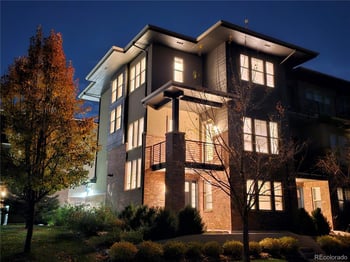
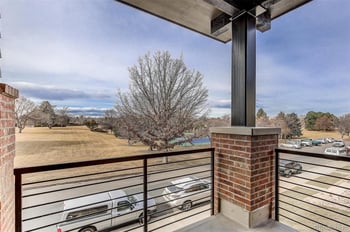
$895,000
Active Under Contract
3
Beds
4
Baths
2226
Sqft
--
Acres
192 S Locust St, Denver, CO 80224
MLS#: REC7844198
.jpg)



Picking a refrigerator for a Colorado kitchen comes down to three things most buyers skip past: how the unit handles the state's dry, high-altitude air, how much it adds to a Front Range power bill, and whether the size and layout actually fit the kitchen you have, not the one in the showroom. Get those three right and the finish and ice maker are just preference.
Most of the Front Range sits between 4,900 and 7,500 feet, and the humidity in a Denver, Colorado Springs, or Fort Collins kitchen runs well below what a refrigerator engineered for a coastal climate expects. Lower ambient humidity pulls moisture out of produce faster once the crisper door opens and closes throughout the day, which is why humidity-controlled crisper drawers matter more here than in a lot of the country. A unit with independent humidity settings for the produce and meat drawers keeps lettuce and herbs from wilting by midweek instead of by the weekend.
Front Range homes built in the 1970s through the 1990s, common across Aurora, Lakewood, and Westminster have narrower kitchen footprints than newer Highlands Ranch or Castle Rock construction. Measure the opening width, depth to the counter edge, and ceiling height before shopping. Counter-depth models run 24 to 25 inches deep and sit flush with most cabinets, which matters in an older Denver bungalow kitchen where a standard-depth fridge sticking out 4 to 6 inches past the counter can block a walkway.
A household that reheats and grabs cold drinks needs straightforward shelving and a roomy fridge section over freezer space. A household doing weekly batch cooking or hosting large gatherings needs flexible shelving, wide crispers, and door bins deep enough for tall bottles and jars. Before shopping, walk through a typical week and count how many separate categories of food actually need dedicated space, then match shelving configuration to that list instead of the floor model that looks the most impressive.
An Energy Star-rated refrigerator uses 300 to 500 fewer kilowatt-hours a year than an older unit still running from the 2000s, which shows up directly on an Xcel Energy bill. Xcel Energy periodically offers rebates and recycling incentives for retiring an old, working refrigerator when a new efficient model replaces it; check the current program before buying, since the rebate amount and eligibility change from year to year. A newer model also runs quieter, which matters in open-concept kitchens common in Denver metro remodels where the kitchen doubles as a living space.
A dated or visibly worn refrigerator is one of the first things buyers notice on a showing, especially in an open kitchen. It will not carry a listing on its own, but a clean, correctly sized refrigerator that fits the cabinet opening reads as one less thing a buyer has to budget for, which matters in a market where buyers are already weighing inspection repairs. For sellers deciding which kitchen updates are worth the spend before listing, a current Smart Pricing Report shows which improvements Front Range buyers are actually paying for right now versus which ones do not move the needle.
A fast-cool mode is genuinely useful after a Costco run on Highway 470, chilling milk, meat, and produce quickly instead of letting a full load slowly warm the rest of the fridge. An ice and water dispenser earns its keep during a Front Range summer barbecue season, but check the water line connection before installing in an older home; some Denver-area houses built before the 1990s need a new line run to the kitchen, which is worth pricing before committing to a dispenser model.
Much of the Front Range has moderately hard water, and mineral buildup inside an ice maker's water line is a common cause of cloudy ice or reduced ice production. A refrigerator with a replaceable inline water filter reduces this, but the filter still needs changing on schedule, roughly every six months, sooner in a hard-water area. Homeowners dealing with hard water throughout the house, not just the fridge, look at a whole-home softener rather than treating each appliance separately.
A refrigerator in regular use lasts roughly 10 to 15 years before repair costs start outweighing replacement. Replace it when a repair quote runs more than 40% of the cost of a comparable new unit, rather than patching an aging compressor repeatedly. Before you look around for fridges for sale, confirm the delivery and old-unit haul-away service covers stairs or narrow hallways common in older Denver and Boulder homes, since a tight stairwell can rule out certain wide French-door models entirely.
Landlords furnishing a Front Range rental should weigh durability and simple controls over premium features a tenant will rarely use. A mid-range, energy-efficient model with a standard ice maker and basic humidity control covers most tenant needs without the repair cost of a high-feature unit. Once you have your size and feature list settled, it is worth checking current fridge deals against the unit's total cost of ownership, not just the sticker price, especially for a rental where a service call eats into monthly cash flow.
A double-door, wide-shelf model looks great in a showroom but can be a poor fit for a galley-style kitchen common in older Denver, Wheat Ridge, or Arvada homes, where the doors swing into a walkway or block a cabinet across the aisle. Bottom-freezer models put everyday items at eye level and work well for households that grab vegetables more than frozen food, while side-by-side units suit narrower openings where a full-width French door will not clear the counter across from it. Walk the actual swing path of the doors in the store, not just the footprint, before deciding.
A used or open-box refrigerator can save real money, but check the compressor warranty transfer, the age of the unit, and whether the seller can show the energy label before buying. A unit more than eight years old with an unclear repair history is a gamble on a major kitchen appliance; a newer open-box return with the original warranty intact is the more reliable choice. Either way, plan the delivery route through stairs, hallways, or tight turns common in older Front Range homes before the unit arrives at the curb.
The Kenna Real Estate Group helps Front Range buyers and sellers figure out which kitchen updates matter before a listing goes live, and which ones a buyer would rather handle themselves after closing. Call or text 303-955-4220. A live person answers. Not a robot, not a phone tree. Ready to see what is on the market? Search every home for sale in Colorado.
Questions about any home in Colorado? Call or text 303-955-4220. A live person answers.
Measure the cabinet opening first. Counter-depth models, 24 to 25 inches deep, fit flush in most Front Range kitchens built before the 2000s, while newer Highlands Ranch and Castle Rock homes have room for a standard-depth model.
Altitude itself does not change how a refrigerator cools, but the state's low humidity pulls moisture from produce faster, which is why humidity-controlled crisper drawers matter more here than in humid climates.
Xcel Energy periodically offers rebates and recycling incentives for replacing an older refrigerator with an efficient model. Check the current program details before buying, since amounts change year to year.
It will not carry a listing by itself, but a correctly sized, clean refrigerator reads as one less repair a buyer has to plan for, which matters when buyers are already weighing inspection items.
Much of the Front Range has moderately hard water, which can cause mineral buildup and cloudy ice. A replaceable inline filter helps, and it needs changing roughly every six months in hard-water areas.
Replace it once a repair estimate runs more than 40% of the cost of a comparable new unit. Most refrigerators last 10 to 15 years with normal use.
Durability and simple controls over premium features. A mid-range, energy-efficient model with standard ice-making covers most tenant needs without high repair costs eating into monthly cash flow.
Counter-depth suits older, narrower kitchens common in Denver and Aurora homes built before 2000. Standard-depth offers more storage and fits well in newer, larger kitchen footprints.