New - 15 Mins Ago


.jpg)



A Denver startup renting its first desk pays $250 to $450 a month for a hot desk, $450 to $650 for a dedicated desk, and $800 to $2,500 a month for a private office inside a coworking suite, depending on the neighborhood and headcount. Below that price ladder sits a bigger decision every growing Front Range company eventually faces: keep renting flexible space, sign a traditional lease, or buy.
Traditional multi-year office leases lock a company into square footage sized for headcount projections that change before the lease term ends. Shared office space flips that: month-to-month or short-term agreements, Wi-Fi, furniture, and utilities bundled into one invoice, and the ability to add a desk the week a new hire starts instead of the quarter after. A study by EY on hybrid work found that a large share of hybrid employees are in the office only two to three days a week, which leaves a standard leased floor sitting empty most of the time. Flexible space avoids paying for that empty floor.
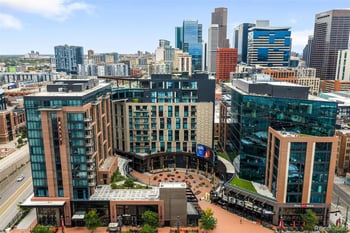
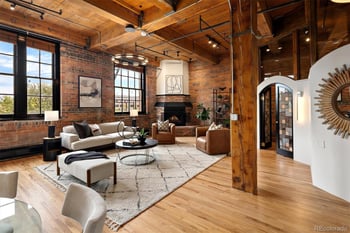
RiNo and LoDo carry the highest concentration of coworking and flexible suites in the metro, with Cherry Creek and the Denver Tech Center close behind for firms that want a more corporate address near I-25. RiNo suits an early-stage startup that wants exposed brick, proximity to Larimer Street restaurants, and a five-minute walk to the A Line. LoDo suits a company that meets clients downtown and wants Union Station access. DTC still works for firms whose clients and staff commute from Centennial, Greenwood Village, or the southeast suburbs rather than downtown.
Nationally, coworking and other flexible formats have become hotspots for coworking spaces well beyond downtown cores, and metro Denver follows the same pattern: suburban flex space in Lakewood, Westminster, and Highlands Ranch has grown as companies chase staff who no longer want a downtown commute every day.
Traditional Class A office space in downtown Denver runs roughly $28 to $38 a square foot per year on a full-service lease, with Class B space $5 to $10 a foot cheaper. Suburban submarkets like DTC and the Northwest corridor undercut downtown by $4 to $8 a foot. Office vacancy across metro Denver has stayed elevated since 2023, in the 20% to 30% range for downtown Class A towers, which has kept landlords willing to negotiate free rent months and tenant improvement allowances that were not on the table before 2020.
Thinking of leasing a commercial space in Colorado? Call or text 303-955-4220. A live person answers. Not a robot, not a phone tree.
A coworking membership shares common space, meeting rooms, and amenities across many companies under one roof. A serviced office is a private, lockable suite with its own door, still bundled with reception, IT support, and flexible lease terms. Startups handling client data or needing a permanent business address move from a coworking membership to a serviced office once headcount passes eight to ten people. To see what a fully serviced setup looks like in practice, review the format described here.
Leasing preserves cash and lets a company adjust square footage as headcount changes; ownership builds equity and locks in occupancy cost against future rent growth. The breakeven runs 7 to 10 years: a company that expects to occupy the same footprint for at least a decade, and that has the down payment (20% to 30% for an owner-occupied SBA loan on commercial property), comes out ahead buying in most cases. A company still figuring out its headcount trajectory should lease flexible space until the growth curve is predictable. The Colorado real estate investing guide covers financing structures for both owner-occupied and investment commercial purchases.
Most Denver coworking agreements run month-to-month or on a 3-, 6-, or 12-month term, with 30 to 60 days' notice required before a rent increase or a member's exit. Private-office suites inside a coworking building commonly ask for a 6- to 12-month commitment in exchange for a lower per-desk rate. Build-out costs for a private office inside an existing coworking suite run $15 to $40 a square foot for basic finishes, far below the $60 to $120 a square foot a full traditional office build-out runs.
A startup in a shared office still needs its own general liability policy and, in most Denver leases, business personal property coverage for its own equipment even though the building's shell coverage belongs to the landlord or operator. Confirm what the coworking operator's certificate of insurance actually covers before assuming a personal laptop or server rack is protected.
Denver's flexible-office growth mirrors what's happening in other fast-growing metros. Miami's Wynwood district, for example, has become a magnet for creative and tech tenants looking for a Wynwood office space with character rather than a generic tower floor — the same logic that pulls Denver startups toward RiNo instead of a downtown high-rise. Investors watching Denver's commercial market alongside markets like Miami should track absorption, not just headline vacancy; absorption is the number that tells you whether flex space is actually filling up or just getting listed.
An owner sitting on vacant or underleased office space in the Denver metro has three real options: convert part of the floor to flexible/coworking format to capture short-term demand, sell to a buyer planning a residential or mixed-use conversion, or hold and reposition with amenity upgrades. Each path has a different timeline and a different buyer pool, and the right call depends on the building's location, floor plates, and remaining lease term on any existing tenants.
A build-out inside an existing coworking or office shell still needs a permit for anything beyond paint and carpet: new walls, electrical circuits for server racks, or HVAC changes all trigger a tenant-improvement permit. Denver, Aurora, and Lakewood each run their own permitting office with different review timelines, two to six weeks depending on scope. Bring the coworking operator's building department contact into the process early; a landlord who has run dozens of similar build-outs knows which submittals move fastest.
A company that starts on a shared desk and grows past 15 to 20 people hits a second decision point: renew inside the same flexible building at a larger footprint, move to a traditional Class B lease, or buy. Track the actual utilization of the space, not the headcount on payroll — a team that is in the office two days a week needs roughly 60% of the desks its headcount would suggest. That number, more than any lease clause, should drive the next signature.
The Kenna Real Estate Group helps Denver metro startups and small firms weigh a coworking membership against a traditional lease or an owner-occupied purchase, and connects commercial property owners with buyers when it's time to sell. Call or text 303-955-4220. A live person answers. Not a robot, not a phone tree. Or search every home for sale in Colorado if the next move is residential instead of commercial.
A hot desk runs $250 to $450 a month, a dedicated desk $450 to $650, and a private office inside a coworking suite $800 to $2,500 a month depending on neighborhood and size.
RiNo and LoDo carry the highest concentration downtown, with Cherry Creek and the Denver Tech Center strong options for companies whose staff and clients are based in the southeast suburbs.
The breakeven runs 7 to 10 years of occupancy. A company still adjusting headcount should lease; a company with a stable footprint and a 20% to 30% down payment comes out ahead owning in most cases.
Downtown Class A towers have run in the 20% to 30% vacancy range since 2023, which has kept landlords offering free rent months and tenant improvement allowances.
Coworking shares common space and amenities across many companies. A serviced office is a private, lockable suite with the same flexible terms, a better fit once a team passes eight to ten people.
Most agreements require 30 to 60 days' notice, since terms run month-to-month or in 3-, 6-, or 12-month increments.
Basic finishes run $15 to $40 a square foot, well below the $60 to $120 a square foot a traditional ground-up office build-out costs.
Most flexible and coworking agreements do not require a sublease at all since terms are short; a traditional lease needs the landlord's written consent to sublease remaining square footage.