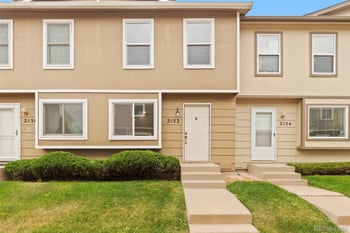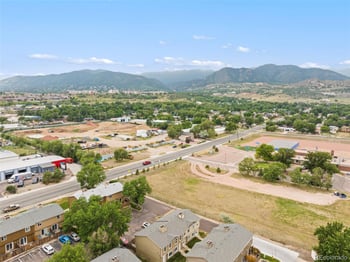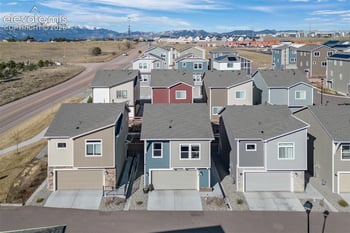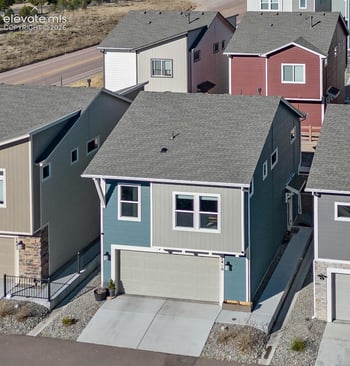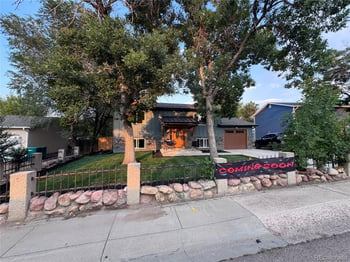

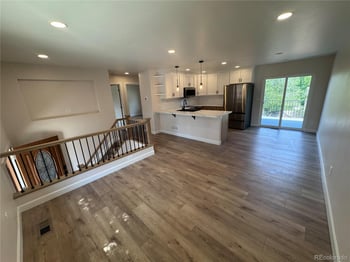
$420,000
Expired
--
Beds
--
Baths
1666
Sqft
0.15
Acres
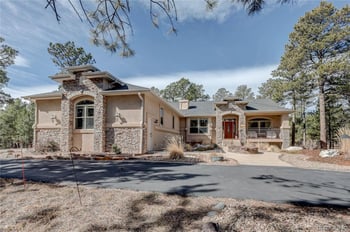
1307 Hartford St, Colorado Springs, CO 80906
MLS#: REC5173458
.jpg)



Hail is the leading reason Colorado homeowners file a roof damage claim, followed by wind and water intrusion from ice dams or wind-driven rain. Knowing the deductible structure, the filing timeline, and what an adjuster actually checks changes how much of the repair a homeowner ends up paying out of pocket.
Colorado hail season runs mid-April through mid-September, and the Front Range corridor from Colorado Springs through Denver to Fort Collins sees some of the highest hail-claim frequency in the country. A single storm can generate thousands of claims in one metro area within hours, which is why adjusters get backed up for weeks after a major hail event and why documenting damage promptly matters.
Wind gusts of 60 to 100 mph are common along the Front Range foothills during downslope wind events, and they can lift or tear shingles even without hail involved. Ice dams, which form when attic heat melts snow that refreezes at the eaves, back water up under shingles and cause interior water damage that homeowners commonly discover weeks after the storm that caused it. Both are commonly covered under a standard homeowners policy, but the claim process and documentation differ from a hail claim.
Many Colorado homeowners insurance policies now carry a separate percentage-based wind and hail deductible, commonly 1% to 5% of the home's insured dwelling value, instead of a flat dollar deductible. On a home insured for $500,000, a 2% wind and hail deductible means $10,000 out of pocket before coverage starts, a very different number than a flat $1,000 deductible on the rest of the policy. A homeowner should check their declarations page for this separate deductible before assuming a claim will be mostly covered.
Most Colorado insurers require notice of a roof damage claim within one year of the storm date, and some policies set a shorter window, so a homeowner who suspects hail or wind damage should call their carrier and schedule an inspection promptly rather than waiting to see if a leak develops.
An adjuster walks the roof checking for bruised shingle mats, knocked-loose granules, cracked ridge caps, and dented flashing, soft-metal vents, and gutters, which show hail impact even where shingles look intact from the ground. Photographing dents in gutters, downspouts, and any exposed metal (AC unit fins, window screens) before the adjuster arrives helps support the claim, since metal damage from the same storm corroborates roof damage.
Colorado law requires insurers to offer a premium discount for a roof carrying a UL 2218 Class 4 impact rating. Homeowners replacing a roof after a claim should ask their contractor to install Class 4 shingles and confirm the discount is applied to the new policy; it is not automatic and has to be requested with proof of the rating.
An older roof settled on an actual cash value basis, rather than replacement cost, can leave a real gap between the insurance check and the contractor's bid. Homeowners financing that gap, whether for a full reroof or a larger renovation triggered by the damage, can talk to Mike Oswald at Rate (NMLS 261003, Equal Housing Lender) about options; you are free to use any lender. The Colorado home financing guide and Kenna Credit Care cover what lenders look at before approving that kind of financing.
Out-of-state crews follow major Colorado hailstorms and go door to door offering to "handle the insurance claim." A homeowner should verify a Colorado contractor's license and local address, get a written itemized estimate, and never sign an assignment-of-benefits form without reading exactly what rights it transfers before agreeing to work with any contractor found this way.
If an insurer's damage estimate seems low relative to a licensed roofer's inspection, a homeowner can request a re-inspection, submit the roofer's written estimate as supporting documentation, or hire a public adjuster to negotiate on their behalf. Persistent, well-documented bad-faith handling of a claim is a legal matter; homeowners in that position sometimes consult an attorney such as a bad-faith insurance claim attorney who focuses specifically on roofing disputes.
A single weather-related claim (hail, wind) is treated differently by most Colorado insurers than a liability or repeated-claim history, but rate impact varies by carrier and by how many claims the ZIP code has filed recently. Homeowners weighing whether a smaller repair is worth filing at all should get a contractor's estimate first and compare it against the deductible before deciding.
Understanding how hailstorms form and intensify helps explain why the Front Range sees so much roof claim activity concentrated in a five-month window each year.
The Kenna Real Estate Group helps Colorado homeowners understand what a roof claim means for a sale, a purchase, or a financing decision. Call or text 303-955-4220. A live person answers. Not a robot, not a phone tree. Or search every home for sale in Colorado right now.
Questions about any home in Colorado? Call or text 303-955-4220. A live person answers.
Hail damage. Colorado hail season runs mid-April through mid-September and the Front Range sees some of the highest hail-claim frequency in the country.
Many policies carry a separate percentage-based wind and hail deductible, commonly 1% to 5% of the home's insured dwelling value, rather than a flat dollar amount.
Most Colorado insurers require notice within one year of the storm date; some policies set a shorter window, so prompt reporting matters.
Colorado law requires insurers to offer a discount for a UL 2218 Class 4 impact-rated roof, but it has to be requested with proof of the rating; it is not automatic.
An older roof settled on actual cash value rather than replacement cost can leave a gap; homeowners can finance that gap through a lender of their choice, including Mike Oswald at Rate (NMLS 261003, Equal Housing Lender).
Verify the contractor's Colorado license and local address, get a written itemized estimate, and read any assignment-of-benefits form carefully before signing anything.
It can, though the impact varies by carrier and by recent claim activity in the ZIP code; a contractor's estimate compared against the deductible helps decide whether filing is worth it for smaller damage.
Dents in gutters, downspouts, AC unit fins, and window screens, since metal damage from the same storm helps corroborate roof damage that isn't visible from the ground.