.jpg)


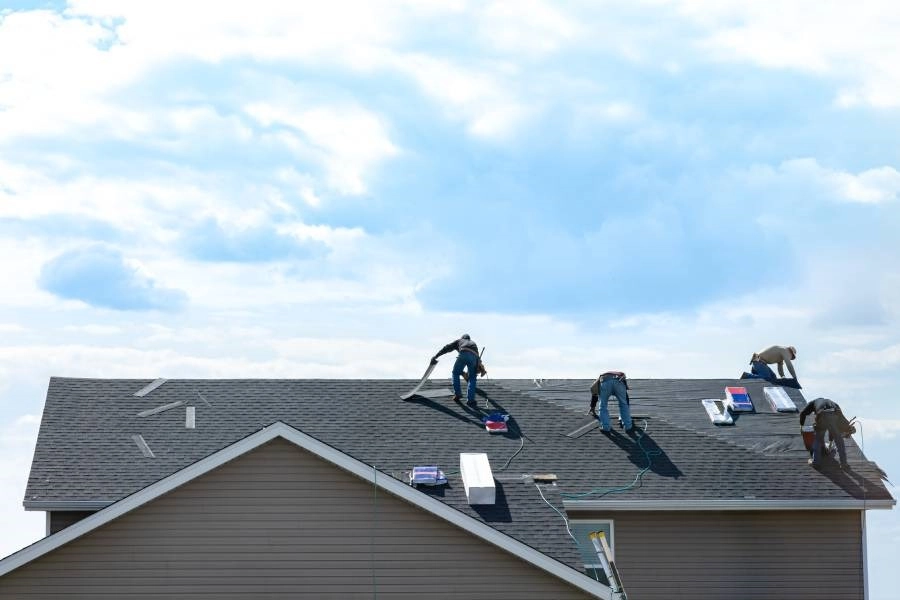
A full roof budget in Colorado needs five line items: materials, labor, tear-off of the old roof, permits and inspections, and a contingency fund for what the crew finds once the old roofing comes off. Skipping any one of these is how a $12,000 estimate turns into a $16,000 bill halfway through the job.
What should a Colorado roof replacement budget include?
- Materials — the shingles, membrane or panels themselves, priced per square (100 sq ft).
- Labor — installation, sealing, ventilation and structural checks.
- Tear-off — removing the old roof, including disposal fees, which vary by how many layers come off.
- Permits and inspections — required in most Front Range cities for a full reroof.
- Contingency — 10% to 15% of the total budget set aside for decking rot or structural issues found once the old roof is off.
How much does roofing material cost in Colorado?
Material choice drives a large share of the total. Asphalt shingles remain the most affordable option for most Colorado homes; a stone-coated steel roof costs more upfront but is engineered to withstand hail and holds up to Front Range weather better over time, which supports resale value.
| Material | Cost per square (100 sq ft) |
|---|---|
| Asphalt shingles (standard) | $90 to $100 |
| Asphalt shingles (Class 4 impact-rated) | $120 to $180 |
| Metal roofing | $300 to $700 |
| Stone-coated steel | $400 to $700 |
| Synthetic roofing | $300 to $600 |
How much does labor cost for a roof replacement in Colorado?
Labor cost hinges on your roof's pitch and complexity. A steep or multi-section Front Range roof costs more to labor than a simple ranch roofline. Get at least three quotes from Colorado-licensed contractors before choosing, and confirm each quote includes cleanup and haul-off.
What does removing an old roof cost in Colorado?
Tear-off cost depends on the material coming off and how many layers are stacked. Some contractors fold tear-off into the total quote; others bill it separately, so ask specifically whether disposal fees are included.
Do I need a permit and inspection for a new roof in Colorado?
Most Front Range cities and counties require a permit for a full roof replacement to confirm the work meets local building code. Permit fees vary by jurisdiction. Skipping the permit can create a problem later — unpermitted roof work is a common flag in a Colorado home inspection and can slow down a future sale.
Why should I budget a 10% to 15% contingency for a Colorado reroof?
Rotted decking, ice-dam damage, or structural issues from years of freeze-thaw cycling stay hidden until the old roof comes off. Setting aside 10% to 15% of your total budget for surprises means a change order doesn't stall the project or blow your finances.
How does Colorado's hail season affect roof replacement cost and timing?
Hail season runs mid-April through mid-September. Demand for roofing crews spikes right after a major storm, which can push both price and wait times up. Scheduling replacement outside peak season, when your roof allows it, means better pricing and a faster start date in most cases.
Should I choose Class 4 impact-rated shingles for a Colorado home?
Class 4 shingles cost more per square than standard shingles but resist hail impact significantly better, which matters along the Front Range and in El Paso County. Ask your insurer whether installing them qualifies you for a premium discount before you decide — that savings can offset part of the upgrade cost over several years.
Does a stone-coated steel roof affect resale value in Colorado?
Durable roofing materials like stone-coated steel can support a stronger resale position because buyers and appraisers see fewer years of remaining roof life risk. A stone-coated steel roof can increase your home's resale value compared to an aging asphalt roof nearing the end of its service life, especially in a market where buyers factor roof age into their offer.
How do HOA rules affect a Colorado roof replacement budget?
If your home sits in an HOA or metro district, factor in the approval timeline for material or color changes. Some Front Range HOAs require board sign-off before a reroof begins, which can add weeks to your schedule if you don't request it early.
Should I replace my roof before or after selling a Colorado home?
If your roof is near the end of its life or shows hail damage, a pre-listing replacement pays for itself in most cases by avoiding a buyer's inspection objection and supporting a stronger number in your Smart Pricing Report. Ask your agent to run the numbers both ways before you commit to the cost.
How do I finance a new roof in Colorado if I'm not selling right away?
Options include a contractor payment plan, a home equity line of credit, or rolling the cost into a broader renovation loan. Get the total project cost locked in writing before choosing a financing path, and ask whether your contractor offers a discount for paying by check or in full versus financing through a third party.
What questions should I ask before signing a roof replacement contract in Colorado?
- Is the estimate itemized by material, labor, tear-off, permits and cleanup?
- What is the manufacturer warranty, and is there a separate workmanship warranty?
- Who pulls the permit, and is the fee included in the quote?
- What is the payment schedule, and how much is due upfront?
- What happens if the crew finds rotted decking once the old roof is off?
How does roof color affect a Colorado home's energy bills and HOA approval?
Lighter roof colors reflect more heat, which can modestly reduce summer cooling costs, while darker colors absorb more heat and melt snow faster in winter. If you're in an HOA, confirm which colors and materials are pre-approved before you commit to a product, since some communities restrict the palette to maintain a consistent streetscape.
Does a roof warranty transfer to a new owner in Colorado?
Many manufacturer and workmanship warranties are transferable to a new owner, sometimes with a small transfer fee or a time limit after the sale closes. Ask your contractor to confirm transferability in writing when you sign, since a transferable warranty is a selling point worth including in your listing description.
How do I build a realistic timeline into my Colorado roof budget?
Beyond the dollar figure, budget for time: getting three quotes, scheduling an HOA review if required, pulling a permit, and waiting for a contractor slot during peak hail season can add weeks before the crew even starts. Building that timeline into your plan, especially if you're budgeting a roof replacement ahead of a listing date, avoids a last-minute scramble.
Where to go next
- Preparing and adding value before selling
- Pricing your Colorado home to sell
- Roof replacement in Colorado: costs and materials
- Colorado hail and roof costs guide
- Colorado market reports
- Search every home for sale in Colorado
Talk to the Kenna Real Estate Group
If you're weighing a full roof budget against listing your Colorado home this year, ask for the printable roof-budget checklist in the form below and we email it the same day. Call or text 303-955-4220. A live person answers. Not a robot, not a phone tree. Ready to look at homes instead? Search every home for sale in Colorado.
Homes for sale that match this post
- Special Districts Property Tax Guide in Denver
- HOA Rules and Fees Guide in Denver
- Pre-approved: guide
- All homes for sale in Denver
Guides
Questions about any home in Colorado? Call or text 303-955-4220. A live person answers.