.jpg)


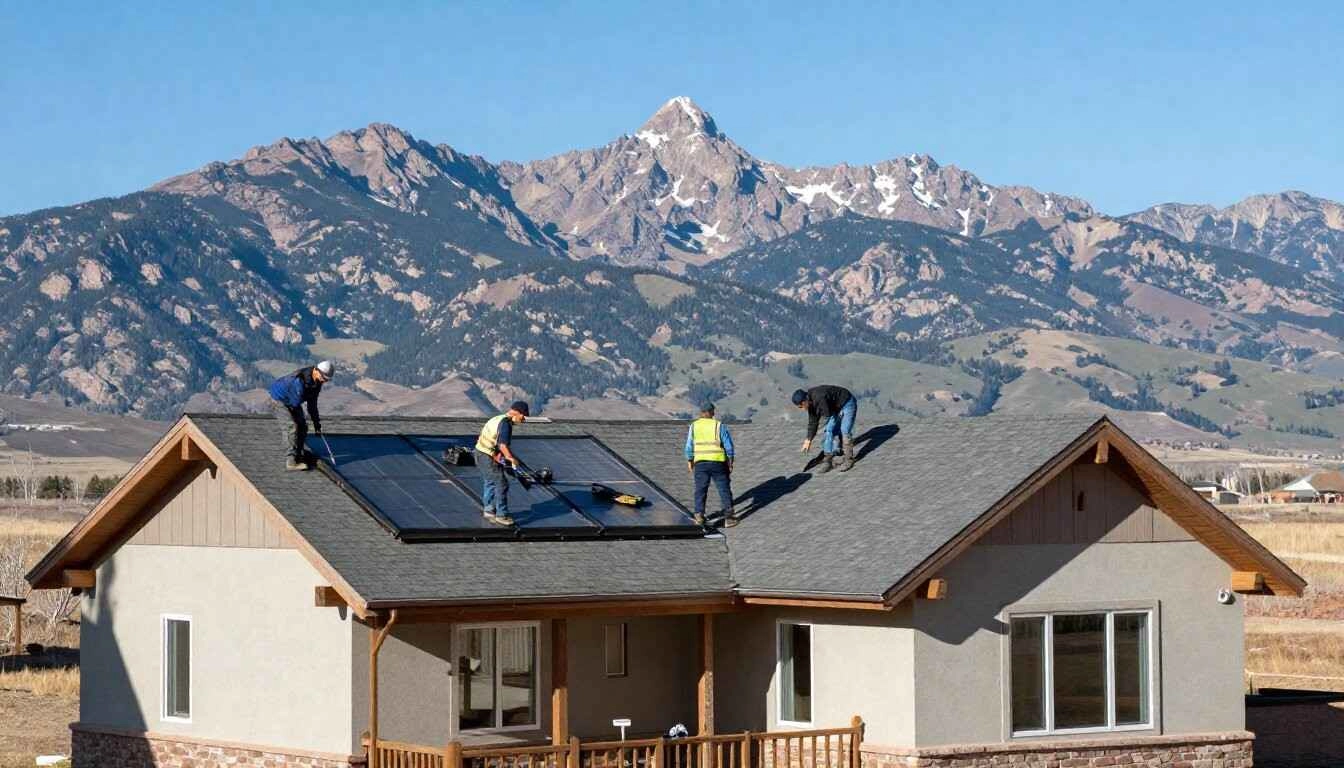
Yes, a new roof raises a Colorado home's value, though not in the direct, dollar-for-dollar way a kitchen remodel does. A roof works more like a foundation for buyer confidence: it removes the single biggest objection a Front Range inspector raises, it lowers a homeowners insurance bill in many cases, and it keeps a deal from stalling over a five-figure repair estimate during negotiations. Here is what the return actually looks like, and where Colorado's hail and altitude change the math.
The short answer
A roof rarely adds value the way a finished basement does. Instead, it defends the value that already exists in the home. A recently replaced roof signals the property has been cared for, and it protects everything beneath it, from the framing to the drywall, from further damage. For a Colorado seller, that protection matters more than in most states, because a Front Range home carries a statistically higher chance of a hail-damaged or aging roof by the time it lists.
Curb appeal at showings
Buyers form an impression fast, and the roofline is part of that first look, whether they consciously notice it or not. A clean, uniform roof reads as well-maintained. Curling, mismatched, or hail-dented shingles suggest neglect even when the rest of the property shows well. Strong curb appeal draws more showings and more competitive offers on a Colorado listing, where buyers are already primed to ask about roof age given how common hail claims are here.
Inspections and negotiations
An aging roof is one of the most common sticking points on a Colorado home sale. Inspectors flag it, lenders sometimes hesitate on financing, and buyers use the estimate as a bargaining point to lower the price or demand repairs before closing. A new roof takes that objection off the table entirely and keeps negotiations focused on the home's strengths instead of a pending repair bill.
Faster sales
Homes with a documented recent roof tend to move faster on the Front Range, since buyers do not have to budget for a near-term roof replacement on top of a mortgage payment. That confidence shortens time on market, particularly in a competitive price range where two similar listings are being compared side by side.
The numbers behind the return
National cost-versus-value data on roofing projects shows homeowners recovering roughly 60 to 70 percent of the replacement cost in added resale price, depending on market and material. That figure will not fully repay the project through price alone, but roofing compares favorably against most interior renovations because it also protects the entire structure from damage a delayed repair would cause instead.
| Factor | Effect on return |
|---|---|
| Material choice | Asphalt shingles offer the best cost-to-value balance; metal and premium materials cost more upfront and do not always recover the difference in price alone |
| Colorado hail exposure | Buyers here place extra weight on roof condition and documented Class 4 material, since hail claims are common on the Front Range |
| Age of the prior roof | Replacing a roof near the end of its life adds more perceived value than swapping one with years left |
| Quality of installation | Poor workmanship can erase the value of even premium materials and shows up in a future inspection |
Beyond the sale price
Resale is only part of the equation. A new roof, paired with proper ventilation and insulation, reduces heating and cooling costs year-round, and Colorado's temperature swings make that efficiency noticeable on a utility bill. Many insurers also price homeowner policies partly on roof age and material, so a new roof, particularly a Class 4 impact-resistant one, can lower the premium since the risk of a costly hail claim drops. And there is a benefit that never shows on an appraisal: not worrying about the next hailstorm.
Finding the right roofing expert
How much value a new roof adds depends heavily on who installs it. Even premium materials fail early when installed poorly, leading to leaks, voided warranties, and costly redos. Start with proper licensing and insurance, ask about manufacturer certifications, since certification frequently qualifies the job for a stronger combined warranty, and request a detailed, written estimate. An established local specialist such as Linta Roofing can walk a Colorado homeowner through material, timeline, and warranty options suited to the local climate, which is the kind of guidance that separates a roof that holds its value from one that does not. The National Association of Realtors has also tracked how exterior projects influence buyer appeal, and roofing consistently ranks among the more reliable improvements for both sellers and their agents.
Repair or replace before selling?
Not every roof needs full replacement to protect a sale. If the existing roof is relatively young with limited, documented hail damage, a targeted repair paired with a clean inspection report is the smarter financial move in many cases. Replacement makes more sense when the roof is near the end of its rated life, when leaks recur, or when age and condition have become the roof's own obstacle to a smooth closing. A qualified roofer can give an honest recommendation, and a reputable one will not push a full replacement when a repair will do.
Timing a replacement before listing
If a roof is nearing the end of its life, replacing it before listing rather than after an offer works out better for a Colorado seller in most cases. A pre-listing replacement lets the seller choose the contractor, the timeline, and the material, and it avoids the compressed timeline and negotiated credit that comes with fixing it after an inspection finds a problem. Sellers weighing the cost against a possible price adjustment can start with a Smart Pricing Report, which factors roof age and condition into a recommended list price alongside comparable Front Range sales, so the decision is based on real numbers rather than a guess about what buyers will accept.
What buyers ask about a Colorado roof
Expect direct questions during a Front Range showing: the age of the roof, whether it has taken a hail claim, what material it is, and whether the seller has documentation. A buyer working with an experienced agent will pull the roof's approximate install date from the county assessor or permit record and compare it against the disclosure. Having the contractor's invoice, the permit sign-off, and photos ready before the first showing keeps that conversation short instead of turning it into a repeated point of concern across multiple showings.
Disclosure and hail history
Colorado sellers should be upfront about roof age, any prior hail claims, and whether a replacement or repair followed. Buyers and their inspectors ask about hail history routinely on the Front Range, and a documented, professionally completed replacement answers that question before it becomes a negotiation point.
Where to go next
- Smart Pricing Report for your Colorado home
- Preparing and adding value before selling
- The Colorado Home Seller's Guide
- Top 10 inspection red flags that kill Denver home sales
- Colorado hail and roof costs: what to compare
- Search every home for sale in Colorado
Talk to the Kenna Real Estate Group
The Kenna Real Estate Group helps Colorado sellers decide whether a roof repair or full replacement makes sense before listing, and provides a Smart Pricing Report that accounts for roof age and condition. Call or text 303-955-4220. A live person answers. Not a robot, not a phone tree. Or search every home for sale in Colorado right now.
Homes for sale that match this post
- Homes with Gourmet Kitchen in Denver
- Homes with Finished Basement in Denver
- Basement: guide
- Curb appeal: guide
- All homes for sale in Denver
Guides
Questions about any home in Colorado? Call or text 303-955-4220. A live person answers.