.jpg)


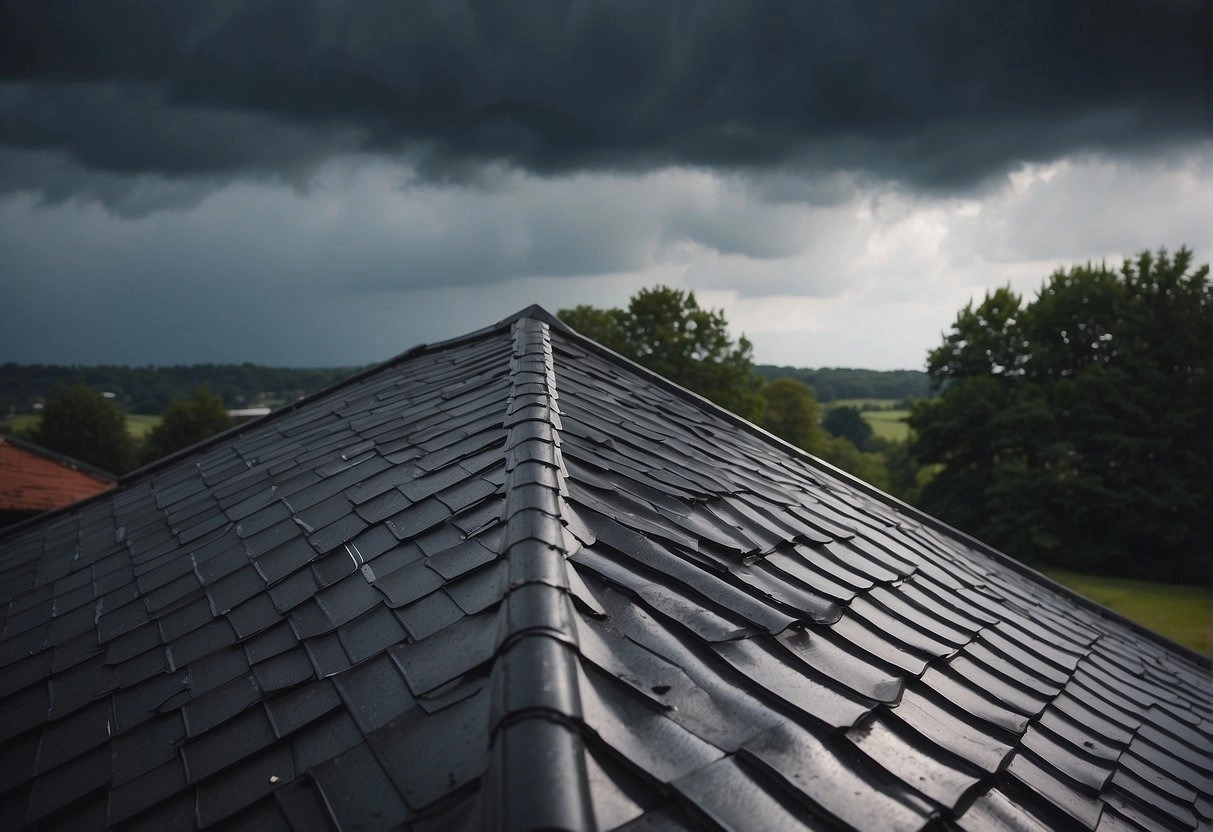
Roof condition moves a Colorado home's value in two places at once: the appraiser's condition rating and the buyer's Inspection Objection. A roof nearing the end of its life, or carrying unrepaired hail damage, gets flagged in both, and either one can cost a seller more than a straightforward roof replacement would have.
Here is how roof quality actually plays out in a Front Range sale, with the numbers.
Does roof age affect what a Colorado appraiser values a home at?
Yes. Appraisers assign a condition rating that adjusts comparable sales, and roof age and visible condition are part of that rating. A roof within its expected lifespan and free of visible damage supports an average-to-good condition rating; a roof past its expected life or showing granule loss, curling, or hail dents can pull the rating down and reduce the appraised value relative to updated comps.
How much does a new roof add to a Colorado home's sale price?
National remodeling cost-value data consistently shows roof replacement returning 60% to 70% of its cost at resale on average, though the return is higher in a market like the Front Range when the roof is a known objection point for buyers. The larger value is avoiding a price reduction: a roof flagged during the Inspection Objection period commonly costs a seller a credit equal to or greater than a straightforward repair or replacement, negotiated under time pressure.
What roof condition triggers a buyer's inspection objection in Colorado?
Under the Colorado Contract to Buy and Sell Real Estate, buyers submit a written Inspection Objection listing specific defects within the inspection period, and a home inspector's report on granule loss, hail bruising, flashing failure, or a roof past its manufacturer-rated lifespan is one of the most common items raised. A roof that is sound but simply old (12 to 15 years on a 20-year shingle) can still generate an objection if the inspector flags remaining life as a concern.
Do Class 4 impact-rated shingles raise a home's appraised value?
Class 4 impact-rated shingles do not carry a separate appraisal line item, but they support a stronger overall condition rating and, because many Colorado insurers offer a 10% to 30% discount on the wind and hail portion of a policy for Class 4 roofs, they lower the buyer's ongoing insurance cost, which agents can point to as a selling point during showings.
How does hail damage affect a Colorado home's valuation before a claim is filed?
Unrepaired hail damage, even cosmetic, shows up in a buyer's inspection and becomes a negotiating point whether or not an insurance claim was ever filed. Colorado's hail season runs mid-April through mid-September, and homes that go through even one moderate hailstorm show some granule loss or dented flashing that an inspector will note in a report.
What roofing materials hold value best in Colorado's climate?
| Material | Expected life in Colorado | Hail performance |
|---|---|---|
| Standard 3-tab asphalt | 15 to 20 years | Fair; prone to granule loss and bruising |
| Architectural (dimensional) asphalt | 20 to 30 years | Good |
| Class 4 impact-rated asphalt | 25 to 30 years | Very good; resists denting |
| Metal (standing seam) | 40 to 50 years | Excellent; shows only cosmetic denting |
How do Colorado insurance deductibles for wind and hail work?
Many Colorado homeowners policies carry a separate percentage-based deductible for wind and hail, commonly 1% to 2% of the dwelling coverage amount, rather than a flat dollar deductible. On a home insured for $500,000, a 1% wind/hail deductible is $5,000 out of pocket before coverage applies, which is a different number than the $1,000 or $2,500 flat deductible many buyers expect from other coverage types.
Should I file a hail claim before listing my Colorado home?
Filing and completing a hail claim before listing, with a roof replacement documented by permit and contractor invoice, strengthens a sale by removing the roof as an inspection issue entirely. Listing with an unfiled or unresolved claim, or unrepaired hail damage, shifts that decision and cost onto the buyer's inspection period, where it is negotiated under a deadline instead of on the seller's own schedule.
How does an aging roof affect a Colorado buyer's mortgage approval?
Some conventional and FHA lenders require a roof certification or a minimum remaining life (commonly 2 to 5 years) before approving a loan, particularly on older Front Range homes. A roof near or past that threshold can delay or derail financing until repairs are made, which is a separate problem from the appraisal or the buyer's own inspection.
What does a professional roof inspection cost in the Denver metro area?
A standalone roof inspection from a licensed roofing contractor runs $150 to $400 in the Denver metro area, and many roofers apply that fee toward the cost of repairs if hired for the work. Getting one before listing gives a seller a written report to share with buyers, which can shorten or prevent a roof-related Inspection Objection.
Does a roof's remaining warranty affect resale value?
A transferable manufacturer's warranty with meaningful years remaining is a documented asset buyers and their inspectors take seriously, since it caps their future repair risk. Sellers should confirm in writing whether a roof warranty transfers to a new owner and include that documentation with the listing.
How long does a roof last in Colorado versus other climates?
Standard asphalt shingles rated for 20 to 30 years elsewhere run toward the shorter end of that range in Colorado, since hail impact, intense UV at altitude, and repeated freeze-thaw cycling all accelerate wear compared to a milder, lower-elevation climate. See the full breakdown in our post on what affects roof lifespan in Colorado.
What roof age makes buyers walk away from a Colorado listing?
There is no fixed number, but a roof past 20 years on standard architectural shingles, combined with visible wear, is where buyers most commonly ask for a credit or replacement rather than proceeding as-is. A well-documented recent inspection showing sound condition can keep an older roof from becoming a deal-breaker.
Does energy-efficient roofing raise appraised value in Colorado?
Reflective or "cool roof" shingle products reduce attic heat gain and can lower summer cooling costs, and appraisers note energy-efficient features as a positive condition factor, though the effect on appraised value is smaller than the roof's basic age and soundness.
How do I document roof condition for a Colorado listing?
- Get a written inspection from a licensed roofer within the last 12 months.
- Keep permits and invoices for any replacement or major repair.
- Confirm warranty transferability in writing from the manufacturer or installer.
- Photograph the roof from ground level and, if accessible, from a drone, for the listing file.
Is it worth replacing a roof before listing, or crediting the buyer instead?
Replacing before listing lets a seller control the contractor, the price, and the timeline, and it removes the item from inspection negotiations entirely. A buyer credit is faster and requires no upfront cash, but it hands the decision, and frequently a higher perceived cost, to the buyer's side of the table during a time-limited objection period. Run both scenarios against your Colorado Smart Pricing Report before deciding.
Where to go next
- Get a Colorado Smart Pricing Report
- Preparing and adding value before selling a Colorado home
- The Colorado Home Seller's Guide
- Search every home for sale in Colorado
- Colorado hail and roof costs compared
- What every Colorado home buyer should inspect before closing
Talk to the Kenna Real Estate Group
The Kenna Real Estate Group helps Front Range sellers decide whether to replace a roof before listing or credit the buyer, based on real comps and the roof's actual documented condition. Call or text 303-955-4220. A live person answers. Not a robot, not a phone tree. Ready to see the market? Search every home for sale in Colorado.
Homes for sale that match this post
Guides
Questions about any home in Colorado? Call or text 303-955-4220. A live person answers.