New - 14 Hours Ago

$948,000
Active
4
Beds
4
Baths
3260
Sqft
0.21
Acres
796 Ridgemont Cir, Highlands Ranch, CO 80126
MLS#: 5097302
.jpg)


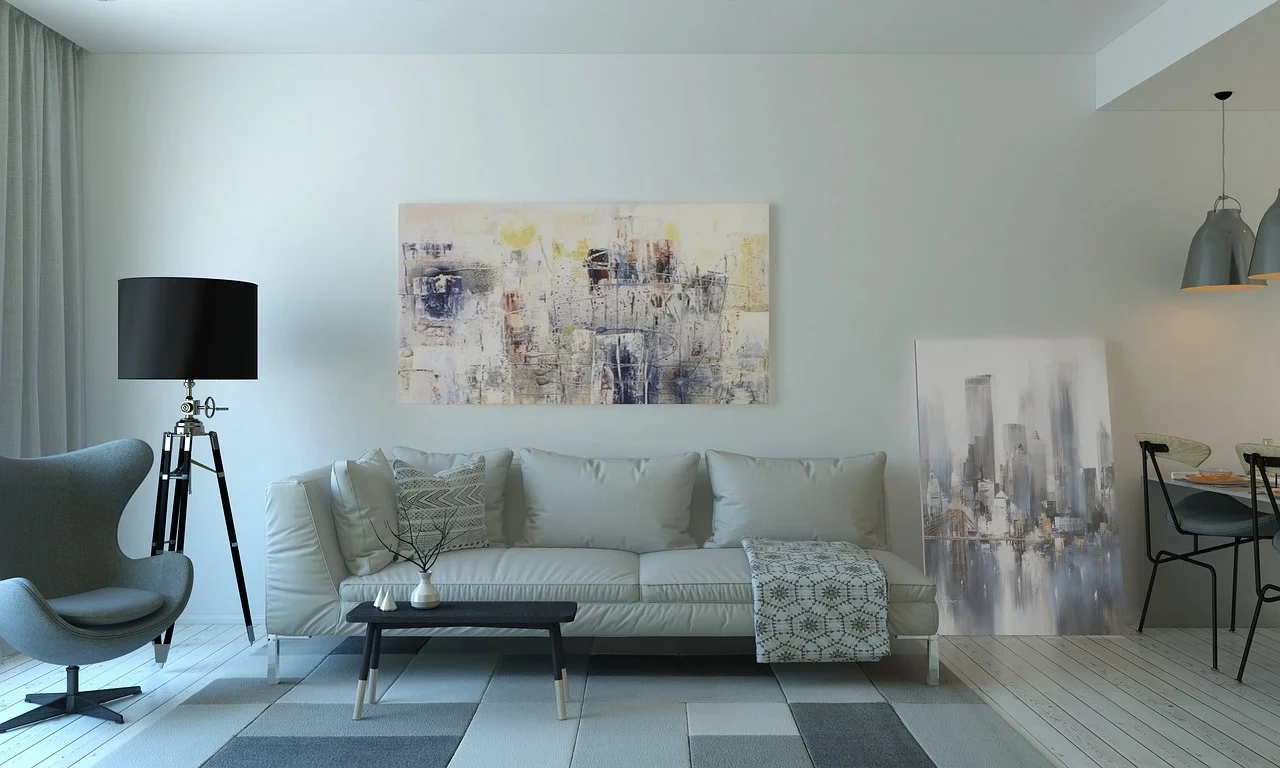
A new home on the Front Range starts to feel personal once it reflects the people living in it, and six changes do that fastest: plants suited to the dry climate, personal art, a paint plan built around strong Colorado light, lighting upgrades, a room dedicated to a hobby, and small hardware swaps. Each one also carries a Colorado-specific rule worth knowing before spending money on it.
Front Range humidity runs low year-round, which stresses tropical houseplants that thrive elsewhere. Snake plants, pothos, and succulents tolerate the dry indoor air that Colorado's heating and cooling systems create, especially in winter when furnaces pull moisture out of a room. Outdoor landscaping benefits even more from matching plant choice to climate — native and xeric plants cut water use during Front Range water restrictions and hold up better against hail than delicate ornamentals. A pet owner should double-check any plant against an ASPCA toxic-plant list before bringing it home, since several common houseplants are harmful to cats and dogs.
Custom art — a photo turned into a canvas print, a piece from a local Front Range artist, or a gallery wall built around a family's own photography — gives a room a signature that a stock print doesn't. Hang large pieces on interior walls rather than exterior ones exposed to direct west-facing sun, since UV exposure at 5,280 feet fades canvas and photo prints faster than at sea level.
Colorado gets roughly 300 days of sun a year, and that light reads brighter and whiter than in cloudier climates, which changes how a paint color actually looks on the wall. A cool gray that looks neutral in a paint store can read blue in a south-facing Front Range room; test swatches on the actual wall at different times of day before committing to a full room. Neutral, broadly appealing colors in main living spaces protect resale value, while bold colors work best in a bedroom or office that's easy to repaint before listing.
Swapping builder-grade fixtures for statement lighting in an entryway, over a kitchen island, or above a dining table is one of the most cost-effective ways to change a home's character, $150 to $600 per fixture installed. Dimmable LED fixtures also help manage the intensity of Colorado's strong daylight during long summer evenings, when the sun doesn't set until after 8 p.m.
Dry air and big daily temperature swings make wood trim, doors, and cabinetry expand and contract more than in humid climates, which can show up as small gaps or cracked caulk lines within the first year or two. Choosing finishes rated for low-humidity environments, and re-caulking trim joints annually, keeps a customized interior looking finished longer.
A rented home limits customization to non-permanent changes — removable wallpaper, curtain rods instead of built-ins, and furniture rather than fixed shelving. An HOA-governed property, common in Highlands Ranch, Castle Rock, and Lone Tree, commonly restricts exterior paint colors, landscaping changes, and visible fixtures; check the HOA's architectural guidelines before painting a front door or replacing exterior light fixtures to avoid a violation notice.
Updated lighting, fresh neutral paint, and low-water native landscaping tend to help at resale, since they read as move-in ready to the widest pool of Front Range buyers. Highly personal choices — a bold accent wall, a themed room, or unusual tile — add enjoyment now, and a homeowner planning to sell within a few years should expect to reverse them before listing. A homeowner planning to sell within a few years should keep receipts and before photos of any customization that serves as a value-add during a future listing. Even a simple spreadsheet noting the cost and date of each project makes that conversation with a listing agent faster once the home actually goes on the market.
Not every customization needs to be permanent to feel personal. Removable options — peel-and-stick backsplash tile, temporary wallpaper, and furniture that can move to the next house — let a homeowner test a bold look before committing to something a future buyer would need to undo.
Front Range homeowners increasingly carve out a dedicated home office or hobby room, and the customization that pays off is functional: good task lighting, a door that closes for video calls, and enough electrical outlets for equipment. A room with abundant natural light on the north or east side of the house keeps glare off a monitor better than a south- or west-facing room at altitude.
Cabinet pulls, door hardware, and faucet finishes are inexpensive ways to shift a home's style without a full renovation, $200 to $800 for an entire kitchen's worth of hardware. Matte black and brushed brass finishes have stayed popular on the Front Range for several years, and both photograph well for a future listing, which makes them a stronger long-term bet than a trend that looks dated within five years.
Hard flooring — tile, luxury vinyl plank, or hardwood with a finish rated for low humidity — holds up better than carpet against the dirt, mud, and de-icing mag chloride that Front Range winters track indoors. Area rugs layer in personality without a permanent change, and a washable rug in an entryway protects hard flooring from the sand and gravel used on Colorado roads and sidewalks each winter.
A patio, fire pit, or pergola extends usable space during Colorado's long stretch of sunny days, but materials matter: a wood pergola without a protective finish weathers fast under intense UV, while a metal or composite structure holds color longer. Position outdoor seating to take advantage of mountain views where the lot allows, and choose furniture rated for temperature swings rather than pieces meant for a milder climate, since patio furniture left out through a Front Range winter freeze-thaw cycle cracks faster than furniture built for four full seasons.
Whether a homeowner is customizing a home to enjoy for years or getting it ready to list, the Kenna Real Estate Group can point out which changes protect resale value on the Front Range and which ones a buyer will want reversed. Call or text 303-955-4220. A live person answers. Not a robot, not a phone tree. Curious what a customized Colorado home like yours is worth? Search every home for sale in Colorado.
Questions about any home in Colorado? Call or text 303-955-4220. A live person answers.
Snake plants, pothos, and succulents handle the low humidity that Front Range heating and cooling systems create better than tropical varieties.
Yes. Stronger UV exposure at 5,280 feet fades canvas prints and photography faster on walls that get direct west-facing sun, so interior placement matters.
Colorado's roughly 300 days of sun a year makes light read brighter and whiter, which shifts how cool colors like gray appear compared to cloudier climates. Test swatches on the actual wall before committing.
Many do, particularly for exterior paint color, landscaping, and visible fixtures. Check the HOA's architectural guidelines before making an exterior change.
Updated lighting, fresh neutral paint, and low-water native landscaping tend to read as move-in ready to the widest pool of buyers, unlike highly personal or themed rooms.
Dry air and large daily temperature swings make wood expand and contract more than in humid climates, which shows up as gaps or cracked caulk within a year or two.
Only with non-permanent changes like removable wallpaper and curtain rods rather than built-ins, since most leases require the unit returned to its original condition.
Native and xeric landscaping choices use less water than ornamental non-native plants and hold up better against Front Range hail.


