New - 2 Hours Ago

$29,999
Active
2
Beds
1
Baths
660
Sqft
0.02
Acres
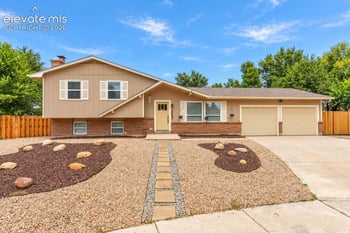
220 Mount View Ln Lot 8, Colorado Springs, CO 80907
MLS#: REC4901397
.jpg)


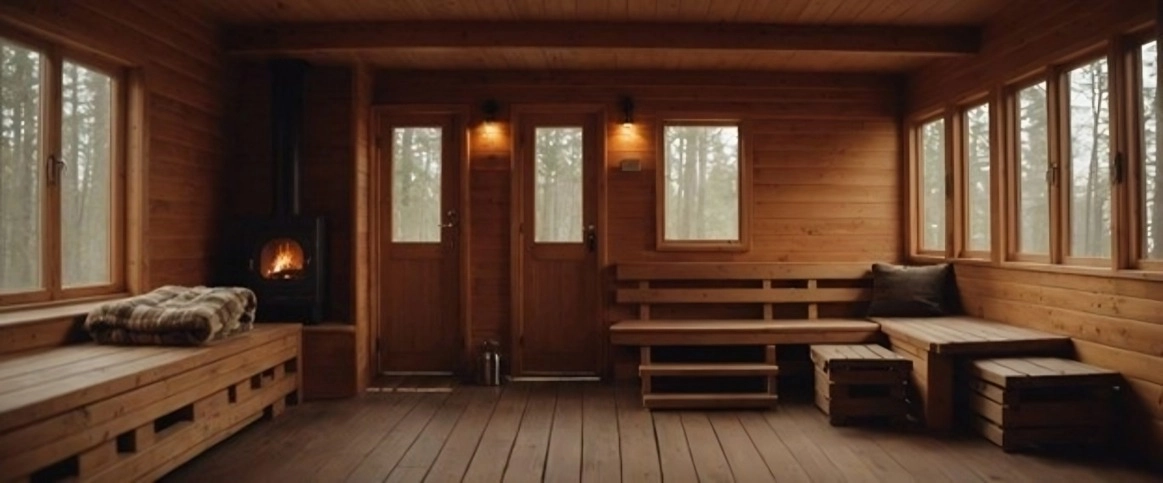
A home sauna in Colorado runs $4,000 to $16,000 installed, needs an electrical or a mechanical permit depending on the heat source, and has to clear defensible-space rules if it sits in a wildfire-rated zone. Here is what to check before you build one, in a state where wood-burning appliances get extra scrutiny.
A prefabricated indoor electric sauna kit for two to four people runs $4,000 to $9,000 installed in a Front Range home, including the dedicated electrical circuit. A custom-built cedar sauna room, framed into a basement or garage bay, runs $8,000 to $16,000 depending on finish level. An outdoor wood-burning barrel or cabin sauna, delivered and set on a pad, runs $6,000 to $18,000 including the pad, chimney, and clearance work a wood stove requires.
Colorado's dry air and 300 days of sun a year make an outdoor sauna practical for more months than a humid climate allows, and a wood-burning stove heats a cabin-style sauna faster in freezing temperatures than a small electric heater working against outdoor cold. The tradeoff: a wood-burning stove needs a code-compliant chimney, a non-combustible hearth pad, and stored firewood, while an electric sauna needs only a 240-volt circuit and no venting. In a county with wildfire restrictions on outdoor burning, an electric infrared or electric traditional sauna avoids the open-flame question entirely.
An indoor electric sauna on its own dedicated circuit needs an electrical permit in most Front Range jurisdictions; the sauna heater draws enough amperage that it cannot share a circuit with other outlets. A wood-burning sauna with a chimney needs a mechanical permit for the stove and a separate permit for the chimney penetration through a roof or wall. Denver, Aurora, Colorado Springs, and most county building departments require both before the work starts, not after. Check the Denver ADU, zoning, and historic district guide if the sauna sits in a detached structure, since an accessory building can trigger its own zoning review.
An outdoor sauna is an accessory structure in most HOA architectural guidelines, which means a design review submission before you pour a pad, including the footprint, roofline, and exterior material. Metro districts that govern exterior storage and outbuildings apply the same review to a sauna cabin as they would a shed. Read the Denver HOA rules and fees guide before ordering a kit, and submit the plan set the HOA asks for rather than building first and asking forgiveness.
A property inside a mapped wildfire hazard area has defensible-space rules that limit combustible structures and stored fuel (including firewood stacks) within a set distance of the home. A wood-burning sauna with a chimney and a firewood pile close to the house works against that clearance. An electric sauna sidesteps the open-flame and stored-fuel questions and is the lower-friction choice on wildland-urban-interface lots in the foothills west of Denver, Boulder, and Colorado Springs.
Lower barometric pressure at altitude changes how a body handles heat exposure, so a sauna session that felt comfortable at sea level can run hotter here for the same temperature setting. Colorado's low humidity also means the sauna itself heats faster and holds less residual moisture, which is one reason a wood-burning stove reaches full heat quickly in a well-insulated cabin. Drink water before and after a session; dry mountain air pulls moisture out of the body faster than a coastal climate does.
A finished basement corner, an attached garage bay, or a dedicated mudroom addition are the three most common indoor placements in Denver metro remodels, each chosen because it already has concrete flooring that tolerates moisture and heat cycling. Outdoors, homeowners place a sauna near the patio or pool equipment pad so plumbing and electrical runs are shorter and the design review reads as one cohesive backyard project instead of two separate additions.
A shared wall and shared electrical service make an indoor sauna harder to add in most Front Range condos; check the patio homes, townhomes, and condos guide and the building's governing documents before budgeting for one. A ground-floor townhome with its own exterior wall and a dedicated electrical panel has more room to work with than a mid-building unit.
Chimney inspection and cleaning once a season, a covered firewood stack raised off the ground and away from the structure, and a check of the door seal and bench wood for cracking from repeated freeze-thaw cycling keep a wood-burning sauna running through a Front Range winter. An electric unit needs less seasonal attention: a heater element check and a look at the door gasket each fall.
A wood-burning appliance on the property, whether it heats the house or a standalone sauna, is a fact most Colorado homeowner insurers ask about at renewal. Tell the carrier about a new wood-burning sauna stove before a claim, not after; an undisclosed heat source can complicate a wildfire or fire-damage claim. An electric sauna on a dedicated circuit rarely changes a policy at all, since it carries the same electrical risk profile as a hot tub or an electric range. Ask the carrier directly whether the sauna structure needs its own rider, and get the answer in writing before the contractor pours the pad.
Ask a prospective contractor for three references on completed sauna or accessory-structure work in your county, since permit requirements and inspection timelines differ between Denver, Douglas County, El Paso County, and Larimer County. Get the electrical and mechanical permit numbers in writing before the first payment, and hold a final payment until the county inspector signs off. A contractor who has not pulled a permit in your specific jurisdiction before will need extra lead time to learn the local process, which affects your project timeline.
A well-built sauna reads as a bonus amenity to most buyers rather than a must-have, and appraisers rarely assign it a specific dollar value the way they do a bathroom or a finished basement. Where it helps: an indoor sauna built into an existing finished space (no square footage added, no square footage lost) sets a listing's photos apart from the competition without changing the appraisal math. An outdoor cabin sauna competes with other backyard amenities like a hot tub for buyer attention and rarely returns its full installed cost at resale. The Preparing and Adding Value Before Selling guide covers which upgrades the Denver metro market actually pays for.
If a sauna, a finished basement, or another amenity project is part of getting a Front Range home ready to list, the Kenna Real Estate Group can walk the property and flag what actually moves the price and what does not before you spend on it. Call or text 303-955-4220. A live person answers. Not a robot, not a phone tree. Or start with search every home for sale in Colorado.
Questions about any home in Colorado? Call or text 303-955-4220. A live person answers.
A prefab electric kit runs $4,000 to $9,000 installed; a custom cedar room or an outdoor wood-burning cabin runs $8,000 to $18,000 depending on size and finish.
Yes. An electric sauna needs an electrical permit for its dedicated circuit, and a wood-burning sauna needs a mechanical permit for the stove plus a chimney permit.
Defensible-space rules limit combustible structures and stored firewood near a home in mapped wildfire areas, which makes an electric sauna the lower-friction choice on those lots.
Most Front Range HOAs treat an outdoor sauna as an accessory structure requiring architectural review before you build, the same as a shed or pergola.
Yes. Lower barometric pressure and dry air at 5,280 feet make a given temperature setting feel hotter than the same setting at sea level, so start with shorter sessions.
An indoor sauna built into existing finished space can help listing photos stand out; an outdoor cabin sauna rarely returns its full installed cost at resale.
A shared electrical panel and shared walls limit most mid-building condos; a ground-floor unit with its own exterior wall has more room to work with.
Once a season through a Colorado winter, along with a check of the door seal and bench wood for freeze-thaw cracking.