New - 3 Hours Ago
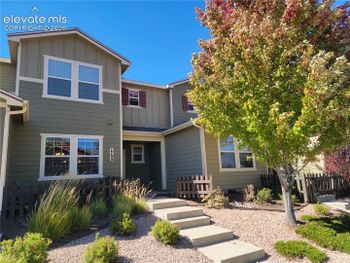
$359,900
Coming Soon
3
Beds
3
Baths
1363
Sqft
0.0469
Acres
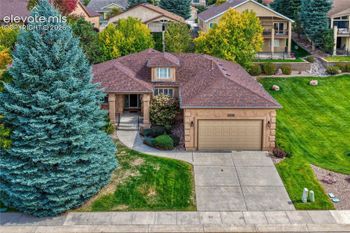
1799 Portland Gold Dr, Colorado Springs, CO 80905
MLS#: 8973049
.jpg)


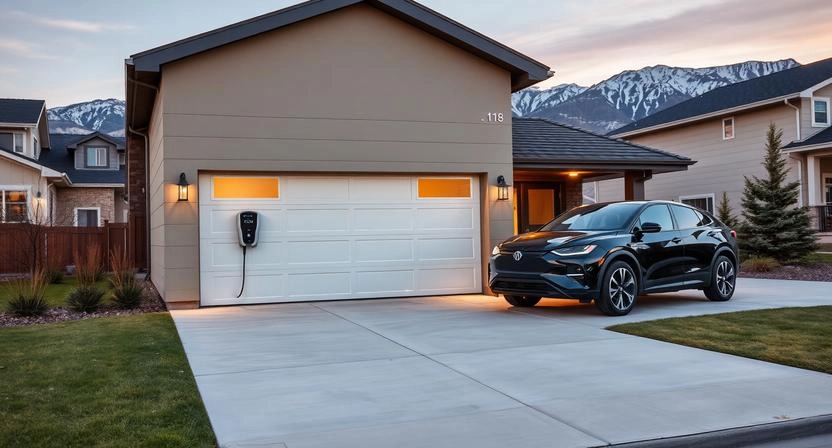
A home EV charging station is one of the few upgrades that pays off two ways on the Front Range: it saves the owner money every week on fuel, and it widens the buyer pool when the home sells. As more Front Range commuters drive electric, a garage that is already wired for a charger has become a real differentiator in listings across Denver, Lone Tree, and Colorado Springs.
Yes, particularly in commuter-heavy South Metro and Denver Tech Center-adjacent neighborhoods where EV adoption has grown fastest. An installed charger removes a buyer's biggest friction point, the cost and hassle of adding one after closing, and homes marketed as EV-ready tend to draw extra interest from that specific buyer pool.
A Level 2 charger and the dedicated 240-volt circuit it needs runs $1,200 to $2,500 installed when the electrical panel already has capacity. If the home needs a panel upgrade to add the new circuit, total cost climbs to $3,000 to $5,500, depending on the panel size and how far the run is from the panel to the garage.
| Charger type | Voltage | Best for |
|---|---|---|
| Level 1 (standard outlet) | 120 volts | Occasional drivers, overnight top-offs only |
| Level 2 (dedicated circuit) | 240 volts | Daily commuters, full charge overnight |
Xcel Energy runs rebate and off-peak charging rate programs for qualifying Level 2 home charging equipment, and the specific rebate amount changes from year to year. Ask the electrician quoting your install to confirm the current Xcel Energy program details before you buy equipment, since rebate eligibility depends on the charger model.
Denver, Aurora, Lakewood, Littleton, Centennial, Colorado Springs, and Fort Collins all require an electrical permit and inspection for a new 240-volt circuit, whether or not the panel itself is upgraded. A licensed electrician pulls the permit as part of the job; ask to see the permit number before the work is scheduled.
An HOA can set reasonable rules about where charging equipment is mounted and how cords are stored, but it cannot flatly ban a homeowner from adding one inside their own garage. Check your community's covenants and the Denver HOA rules and fees guide before you schedule the install.
It depends on the panel's existing capacity. Homes built before the mid-1990s carry a 100-amp panel that is already close to full with central air, an electric range, and other large loads, and adding a 40- to 50-amp EV circuit can push it over capacity. A licensed electrician checks the panel's remaining capacity before quoting the job.
Cold temperatures reduce an EV's range and slow public fast-charging speeds, so a car that charges overnight in a heated or insulated garage starts each Front Range winter morning at full range without a stop at a public station in freezing weather. That reliability is part of why buyers who already own an EV weigh a home charger heavily.
Many new-construction builders across Lone Tree and the wider South Metro area now run a dedicated 240-volt conduit to the garage as a standard or low-cost option at the time of construction, which is far cheaper than retrofitting after the drywall is up. Ask about EV-ready wiring on the new construction homes by area page before you tour a model.
Confirm the charger was installed on a permitted circuit sized correctly for the unit, not wired into a shared outlet or an undersized breaker. A home inspector checks the breaker size and wiring, but a buyer should also ask the seller for the original permit and any manufacturer warranty documentation.
Yes. Colorado sellers disclose known material facts about fixtures that convey with the home, and a hardwired Level 2 charger conveys as a fixture unless the listing states otherwise. Note the brand, install date, and remaining warranty in the listing so a buyer's lender and inspector both see it upfront.
A standard 120-volt outlet adds roughly 3 to 5 miles of range per hour of charging, enough for a light commuter but too slow for daily high-mileage driving. A 240-volt Level 2 circuit adds 20 to 30 miles of range per hour, which fully charges most EVs overnight regardless of the day's mileage.
Charging at home on a residential electric rate almost always costs less per mile than a public fast-charging network, and pairing home charging with an off-peak rate plan widens that gap further. Public fast chargers remain useful for road trips beyond the Front Range, not for daily commuting once a home charger is installed.
Homeowners rolling a charger and any panel upgrade into a purchase loan or a refinance should compare financing terms before signing. Mike Oswald at Rate (NMLS 261003, Equal Housing Lender) walks Front Range buyers through financing options for home upgrades like this, and you are free to use any lender. Start with the Kenna financing guide or Kenna Credit Care before you compare quotes.
Beyond the charger itself, EV-driving buyers look for a garage with enough panel capacity for a second charger down the road, adequate ventilation, and enough depth that a full-size EV still leaves room to walk around it. A licensed electrician confirms your panel has room for the circuit before you buy equipment or list the home.
A properly permitted Level 2 charger on a dedicated circuit does not raise a homeowner's insurance premium, but an unpermitted install wired into an existing circuit can raise a red flag during underwriting or during a buyer's inspection. Keep the permit, the electrician's invoice, and the manufacturer's installation certificate together with your other home records.
Listing agents increasingly note EV charging capability directly in the listing remarks, the same way they note central air or a finished basement, since it answers a growing share of buyer searches before a showing is even scheduled. A Smart Pricing Report shows whether comparable Front Range sales are reflecting that feature in their final price.
A buyer can request a charger install as part of negotiations, ask the seller for a credit toward installation instead, or plan the install for after closing. Get a firm quote from a licensed electrician before making that request part of an offer, since the panel capacity question changes the price significantly from home to home.
Whether you are buying a home with an EV charger already installed or wondering if adding one is worth it before you list, the Kenna Real Estate Group can walk you through what Front Range buyers actually pay for. Call or text 303-955-4220. A live person answers. Not a robot, not a phone tree. Or search every home for sale in Colorado to see what is on the market right now.
Questions about any home in Colorado? Call or text 303-955-4220. A live person answers.
A hardwired Level 2 charger conveys with the home unless the listing states otherwise, the same way a built-in appliance would. Confirm this in writing before closing.
A panel upgrade to accommodate an EV charger circuit adds $1,500 to $3,000 to the install cost, depending on the panel size and the length of the new circuit run.
Yes, using the Level 1 cord that ships with most EVs, but it only adds about 3 to 5 miles of range per hour, which is too slow for most daily commuters.
Many new builds in the Lone Tree and South Metro area include EV-ready wiring or conduit as a standard or low-cost builder option, though the charger unit itself is a separate buyer add-on in most cases.
Xcel Energy offers time-of-use and off-peak rate options that can lower the cost of overnight EV charging. Ask Xcel Energy directly which current plan applies to your account.
A home inspector checks the circuit breaker size and basic wiring condition, but a buyer should also request the original electrical permit and any manufacturer warranty from the seller.