Open: Sat 11:00 AM - 1:00 PM
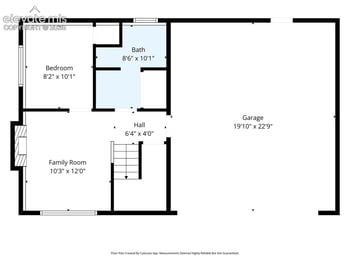
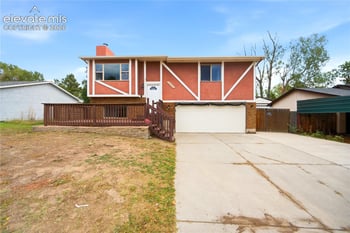
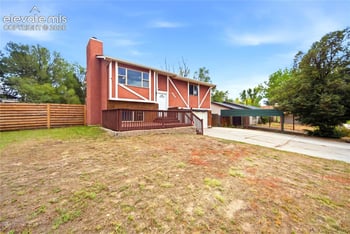
$365,000
Active
3
Beds
2
Baths
1356
Sqft
0.18
Acres
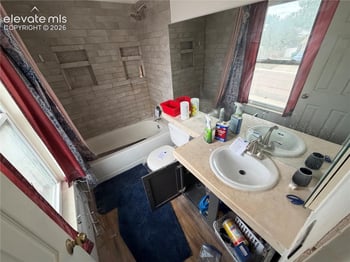
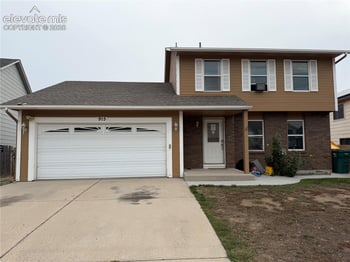
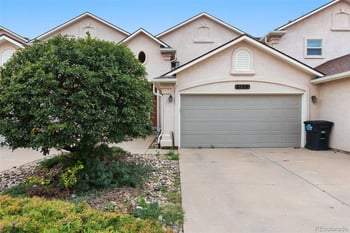
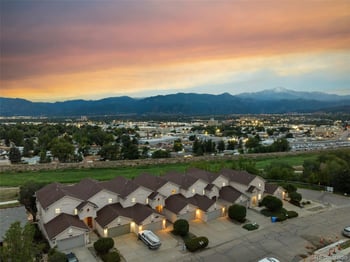
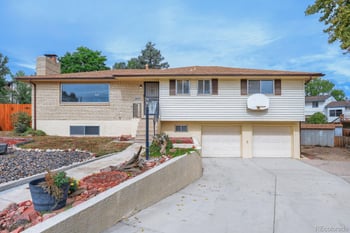
2025 Heathercrest Dr, Colorado Springs, CO 80915
MLS#: 4508413
.jpg)



If you are searching for a construction company in Colorado, you are trying to solve one of two problems: you want something built right, or you want to fix something that was not done right the first time. The contractor you choose matters more than the materials on the list, because good construction is mostly planning, sequencing, licensing, and permits done correctly the first time. This guide covers what a reputable Colorado construction company should provide, the questions to ask before signing, and the state-specific rules (licensing, liens, permits, soil) that do not show up in a generic contractor checklist.
No. Colorado has no statewide license for general contractors, which surprises many homeowners. Licensing instead happens at the city and county level: Denver, Aurora, Colorado Springs, Fort Collins and most Front Range municipalities each run their own contractor licensing program and require a local license before a company can pull permits in that jurisdiction. Colorado does license electricians and plumbers at the state level through the Department of Regulatory Agencies, regardless of city. Ask any construction company for their specific city license number and verify it with that city's licensing office before signing anything. If you want a single construction company to manage a project from framing through finishes rather than juggling separate trades yourself, confirm their specific city license and ask for references from a similarly scoped Front Range project before you sign.
Yes, for most trades and for general contracting above a small scope. Denver's Community Planning and Development office issues contractor licenses by class and trade, and a company pulling a Denver building permit has to hold the license class that matches the scope of work. This is separate from state licensing for electricians and plumbers, so a company holds a full Denver general contractor license and still needs a separately licensed electrical or plumbing sub for those portions of the job.
Colorado's mechanic's lien law (C.R.S. Title 38, Article 22) lets an unpaid contractor, subcontractor, or material supplier file a lien against your property if they were not paid for work or materials, even if you already paid the general contractor in full. This is why a signed lien waiver from the general contractor and every major subcontractor at each payment milestone matters: it is the paperwork that protects you from paying twice for the same work. Ask any construction company how they handle lien waivers before the first payment goes out, not after a lien notice shows up.
Getting multiple estimates is smart; the biggest mistake is picking the lowest number without checking what it includes. Compare each bid on the same line items: demolition and disposal, subfloor and framing prep, waterproofing in wet areas, permit and inspection responsibility, allowances versus fixed pricing, and cleanup and site protection. Allowances (a placeholder dollar figure for fixtures or finishes not yet selected) are where a low bid hides a future cost increase, so ask what the allowance assumes and what it covers if you choose something above that line.
Structural changes, additions, new electrical circuits, plumbing rerouting, HVAC changes, and most roofing work all require a permit in Denver and every surrounding Front Range city. A reputable construction company builds permit timelines into the project schedule and handles the inspection scheduling directly; a company that suggests skipping the permit to save time or money is describing unpermitted work you will have to disclose when you eventually sell.
Much of the Denver metro sits on expansive bentonite clay that swells when it absorbs water and shrinks as it dries, which is why foundation design here regularly calls for a post-tension slab or a structurally engineered floor system rather than a standard slab-on-grade. A geotechnical soils report before design, not after the foundation is poured, is standard practice for a new build or a large addition on the Front Range, and a reputable construction company will factor that report into the foundation plan rather than treating it as optional.
Roofing, siding, and exterior work scheduled during the Front Range hail season, which runs from spring through September, carries real risk of damage to materials staged on site or work in progress. Ask a contractor how they sequence exterior work around forecasted storms and whether their quote assumes any weather delay days; a schedule with zero weather contingency built in is optimistic at best on the Front Range.
Yes. Gas furnaces, water heaters, and other combustion appliances rated at sea level lose a meaningful share of their rated output at Denver's 5,280 feet and need to be sized or derated according to the manufacturer's high-altitude installation instructions and the mechanical code. A construction company experienced on the Front Range sizes equipment for altitude from the start; one that has only built at lower elevations sizes it wrong.
Most Front Range HOAs and metro districts require architectural review committee approval before an addition, a major exterior change, a fence, or in some cases even a reroof in a different color. Submit plans for that review before the construction company schedules a start date; a project built without required approval gets forced to pause or, in rare cases, gets undone, regardless of how well the actual construction was done.
Permitted work does not need special disclosure beyond noting it happened; unpermitted work does, on Colorado's Seller's Property Disclosure form. A buyer can raise undisclosed unpermitted work during the inspection objection window built into the standard Colorado purchase contract, which is one more reason permits are worth the wait even when a contractor offers to skip them.
| Project type | Typical Front Range cost | Needs a permit |
|---|---|---|
| Kitchen remodel (mid-range) | $35,000-$75,000 | Yes, if electrical or plumbing moves |
| Primary bath remodel | $20,000-$45,000 | Yes |
| Basement finish | $25-$50 per sq ft | Yes |
| Room addition | $150-$300+ per sq ft | Yes, plus HOA review in most communities |
Thinking about remodeling before you sell, or trying to figure out whether a build or a move makes more sense? The Kenna Real Estate Group can walk through the numbers with you, including what a project like this actually returns in your specific neighborhood at Kennarealestategroup.com. Call or text 303-955-4220. A live person answers. Not a robot, not a phone tree. Or search every home for sale in Colorado right now.
Questions about any home in Colorado? Call or text 303-955-4220. A live person answers.
No, Colorado has no statewide general contractor license; licensing happens city by city, while electricians and plumbers are licensed at the state level.
A signed lien waiver at each payment milestone protects you from a mechanic's lien under Colorado's lien law (C.R.S. Title 38, Article 22), even if you already paid the general contractor.
Compare the same line items on each: demolition, permit responsibility, material specs, and whether pricing is a fixed number or an allowance that can grow.
Expansive clay soil under much of the Denver metro can require a post-tension slab or an engineered floor system, identified by a geotechnical soils report before design.
Yes, exterior work scheduled during the Front Range hail season (spring through September) carries real weather-delay risk; ask a contractor how their timeline accounts for it.
Most Front Range HOAs and metro districts require architectural review approval before an addition or major exterior change, regardless of how good the contractor is.
Yes, Colorado's Seller's Property Disclosure form asks about known unpermitted work, and a buyer can raise it during their inspection objection window.
A vague estimate that cannot explain what is included, or a contractor who suggests skipping permits to save time, are the two clearest warning signs.