.jpg)


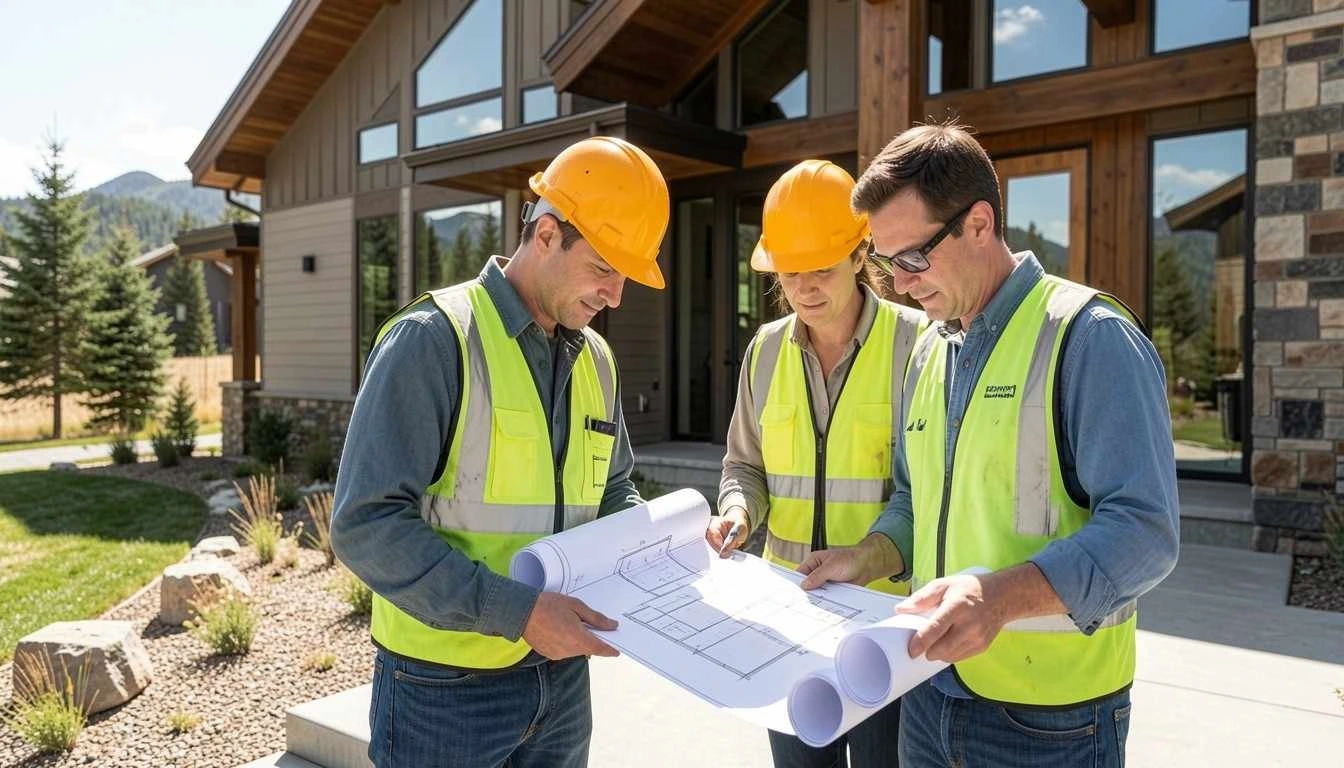
Colorado has no statewide general contractor license. Licensing is set city by city and county by county, which means a contractor licensed in Aurora is not automatically licensed to work in Denver, and a homeowner who assumes state licensing covers every Front Range city can end up with an unlicensed crew on the job.
Does Colorado require a statewide general contractor license?
No. Colorado is one of a number of states that leaves contractor licensing to local governments rather than issuing a state credential for general residential construction. The state does license specific trades directly (electricians and plumbers hold state licenses through the Department of Regulatory Agencies), but a general contractor's license to build, remodel, or add on to a house comes from the city or county where the work happens, not from the state.
Does Denver require a contractor license?
Yes. Denver requires a current contractor license for most residential construction trades through its Community Planning and Development licensing program, and it requires permits for structural, electrical, plumbing, and mechanical work tied to a remodel, addition, or new build. A Denver permit application checks the contractor's license status before it issues, so an unlicensed contractor cannot pull permits in the city under their own name.
Do Aurora, Lakewood, Littleton, and Colorado Springs require contractor licenses?
Each city runs its own licensing program, and none of them automatically recognize a license issued by a neighboring city. Aurora, Lakewood, Littleton, and Colorado Springs each maintain their own contractor license registry tied to their building permit process. A contractor working across city lines on different projects needs a current license in each city where they pull permits, not just the city where their office sits.
Does Fort Collins require a contractor license?
Yes. Fort Collins licenses contractors through its own building services division, separate from Denver metro and Colorado Springs licensing. Larimer and Weld County homeowners working with a Front Range contractor who normally works in Denver metro should confirm that contractor also holds a current Fort Collins license before signing a contract.
How do I verify a contractor's license in Colorado?
Call or check online with the building department in the specific city where your project sits (Denver, Aurora, Lakewood, Littleton, Colorado Springs, or Fort Collins) and ask for the contractor's license number, license status, and any past code violations tied to that license. Ask for the license number directly rather than trusting a business card or a truck decal, since license status changes and a contractor's marketing materials do not update automatically when a license lapses.
What trades need a separate license in Colorado?
Electricians and plumbers hold state-issued licenses in Colorado regardless of which city they work in, through the Department of Regulatory Agencies. HVAC, roofing, and general building trades are licensed locally, which means an HVAC contractor working in both Denver and Aurora needs to meet each city's separate local requirements even though electrical and plumbing licensing is consistent statewide.
What happens if I hire an unlicensed contractor?
The city will not issue permits to an unlicensed contractor, so an owner who hires one either ends up with unpermitted work (a disclosure problem at resale) or has to switch to a licensed contractor mid-project. Unlicensed work also strips you of the accountability a license provides: no local licensing board to file a complaint with, and no proof of the insurance most licensing programs require as a condition of holding the license.
Does an unlicensed contractor void my homeowner's insurance?
Check your policy directly, but many homeowner's insurance policies exclude damage tied to unpermitted or unlicensed work, and a claim tied to a fire, flood, or structural failure traced back to unlicensed electrical or plumbing work faces denial. Confirm your contractor's license and permit status before work starts, not after a claim is filed.
What is the difference between a license, registration, and a permit?
| Term | What it covers |
|---|---|
| Contractor license | Authorizes a business or individual to perform regulated construction work in a specific city or county |
| Business registration | Records the company as a legal entity with the Colorado Secretary of State; not a construction credential |
| Building permit | Approves a specific project's plans and triggers inspections; requires a licensed contractor to pull it in most Colorado cities |
Do I need a licensed contractor for a home addition?
Yes, in every Front Range city that licenses contractors, and a home addition contractor should also carry general liability insurance and workers' compensation coverage for the crew. Ask any home addition contractor for their current city license number, proof of insurance, and three completed local addition projects you can drive by before signing a contract. See Behind the Build: Sustainable Homes Denver for what a well-run local build looks like from permit to finish.
What insurance should a Colorado contractor carry?
General liability insurance and workers' compensation coverage at minimum, plus proof the coverage is active for the duration of your project, not a policy that lapses partway through. Ask for a certificate of insurance naming you as the property owner, and confirm it with the insurance carrier directly rather than accepting a photocopy.
How does licensing relate to Colorado's mechanic's lien law?
Licensing and lien rights are separate issues: Colorado's mechanic's lien statute (C.R.S. Title 38, Article 22) lets an unpaid contractor, subcontractor, or supplier file a lien against your property whether or not the contractor is properly licensed. A licensed contractor with a documented local track record is easier to hold accountable if a lien dispute happens, and licensing boards in Denver, Aurora, and other Front Range cities give homeowners a place to file a complaint that an unlicensed arrangement does not.
Does a handyman need a license in Colorado?
It depends on the scope and the city. Small repair work below a city's licensing threshold sometimes does not require a contractor license, but electrical, plumbing, and structural work almost always does, regardless of whether it is billed as a handyman job or a formal remodel. Check with your city's building department before assuming a project is too small to need a permit or a licensed contractor.
What questions should I ask before hiring a contractor?
- What is your current license number in this specific city, and can I verify it with the building department myself?
- Can you provide a certificate of general liability and workers' compensation insurance naming me as the property owner?
- Will you pull the permit under your license, and what is the expected permit and inspection timeline?
- Can I see three completed projects of similar scope in this city or county?
- How do you handle lien waivers from subcontractors and suppliers at each payment draw?
Where to go next
- Denver ADU, Zoning, and Historic District Guide
- Preparing and Adding Value Before Selling
- Colorado's 4 Best Insurance Companies for Contractor Businesses
- A Homeowner's Guide to Remodeling in Highlands Ranch
- New Construction Homes in Colorado by Area
- Explore Denver homes
- Search every home for sale in Colorado
Talk to the Kenna Real Estate Group
The Kenna Real Estate Group helps Front Range owners confirm permit and licensing history before buying a remodeled home, and connects owners planning a project with licensed local contractors in the correct city. Call or text 303-955-4220. A live person answers. Not a robot, not a phone tree. Or search every home for sale in Colorado to see permit history on homes you are considering.
Home addition contractor is the role A2Z Construction Management profiles in its overview of general questions to ask before hiring for an addition, even though the licensing rules described there apply to a different state than Colorado.
Homes for sale that match this post
Guides
Questions about any home in Colorado? Call or text 303-955-4220. A live person answers.