New - 4 Hours Ago
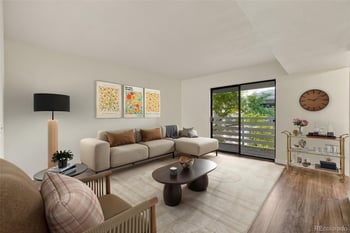
$219,900
Active
2
Beds
1
Baths
891
Sqft
--
Acres
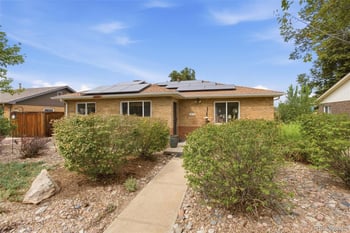
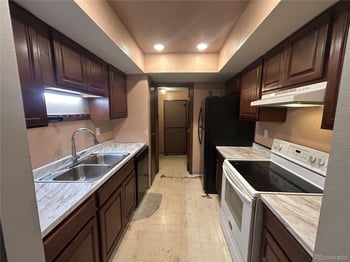
7665 E Eastman Ave #301D, Denver, CO 80231
MLS#: REC7240107
.jpg)



A Colorado short-term rental earns its nightly rate from design choices a guest notices in the first ninety seconds of a listing photo, and it keeps that rate from Denver's licensing rules, the region's dry climate, and how well the furniture survives a mountain winter. Get the license right first, then design for the climate, then design for the guest.
Yes. Denver's short-term rental ordinance limits licenses to a host's primary residence — the address on the host's driver's license, voter registration or utility bill. An investment property that is not the owner's primary residence cannot get a Denver STR license, which pushes pure-investment short-term rentals toward unincorporated Adams, Arapahoe, Douglas and Jefferson counties, where rules differ by county. Confirm the current ordinance text and license portal on the City and County of Denver's website before listing, since local rules change.
Colorado Springs and Aurora both license short-term rentals separately from Denver, with their own application, inspection and renewal steps through each city's licensing office. Neither city mirrors Denver's primary-residence requirement exactly, so an investor weighing a whole-home rental in El Paso County or Aurora should read that city's current STR ordinance directly rather than assume Denver's rules apply.
Breckenridge and unincorporated Summit County both cap the total number of active short-term rental licenses by neighborhood zone, and several zones stay closed to new licenses once the cap is reached. A buyer shopping for a mountain-town rental should ask the listing agent whether the property already carries a transferable STR license, because in a capped zone the license can be worth more than a remodel.
A Colorado short-term rental collects state sales tax plus the local city, county and any special-district lodging tax that applies to the property's address, and remits each one on its own schedule. The combined rate and the filing calendar differ by city and county, and several Front Range and mountain-town jurisdictions updated their lodging-tax rules heading into 2026, so confirm the current combined rate with the city or county finance office before setting nightly pricing.
Guest-facing upgrades earn back their cost the fastest: a queen or king bed with a real mattress instead of a pull-out, blackout curtains, a coffee bar, and fast wifi with the speed listed in the description. A primary bath with a walk-in shower and a rain head, rather than a tub-only bath, moves a two-bedroom Front Range rental into a higher nightly-rate bracket in most booking searches. Budget $6,000 to $12,000 for a guest-ready primary bath refresh and $2,000 to $4,000 for a bedroom and living-room furniture and linen upgrade.
Neutral paint, engineered hardwood or luxury vinyl plank instead of carpet, updated kitchen counters, and a finished lower level appraise well whether the next buyer rents the home or lives in it. A rental preparing to sell should review the Kenna Real Estate Group's guide to preparing and adding value before selling and get a current Smart Pricing Report through the pricing your Colorado home to sell page before choosing which upgrades to make.
Colorado's humidity sits far below the level most furniture is built and tested for, and solid wood pieces shrink, crack at the joints, or open gaps at the seams within a year if the wood was not kiln-dried for a dry climate. Choose furniture built with engineered wood cores and veneer over solid slab tops for tables and dressers, and run a humidifier in the primary living space through the winter heating season to keep both furniture and trim stable.
The Front Range gets close to 300 sunny days a year, and UV exposure at 5,280 feet and higher is stronger than at sea level, which fades upholstery, wood floors and window trim unevenly wherever curtains, rugs or furniture block part of the light. Choose UV-resistant or solution-dyed fabric for anything near a south- or west-facing window, and rotate rugs and cushions every few months so fading stays even instead of leaving a visible outline.
Most Front Range municipal water is hard enough to leave mineral scale on shower glass, faucet heads and the inside of a coffee maker within weeks, which reads as dirty in guest photos even on a freshly cleaned bathroom. A point-of-use water softener at the water heater, plus a weekly vinegar wipe-down on glass and chrome, keeps fixtures looking new between full cleanings.
Colorado's wildfire and dust season runs roughly late summer into early autumn, and smoke can push indoor air quality down even with windows closed. Stock the rental with a portable HEPA air purifier sized for the largest room, note the MERV-13 furnace filter in the house manual, and keep a note in the listing that windows need to stay closed on smoke-advisory days so guests are not surprised.
Many Front Range HOAs and nearly all downtown Denver condo associations restrict or ban rentals under 30 days in their governing documents, separate from any city license. Read the covenants and the association's current rental policy before buying a property for short-term use, and ask the Kenna Real Estate Group to pull the HOA's rental rule directly from the resale disclosure packet during a showing.
Denver requires an active short-term rental license and, on many properties, a lodger's tax license before a listing can legally accept bookings, and both are separate from any building permit needed for the design work itself. Structural changes such as adding a bathroom or converting a garage require a standard Denver building permit; review the Denver ADU, zoning and historic district guide before planning a conversion.
A Front Range city rental books mostly business and weekend travelers who want a fast desk setup, strong wifi and a walkable coffee shop nearby, while a Breckenridge or Summit County rental books ski and hiking travelers who need boot storage, a gear-drying rack and durable, easy-clean flooring at the entry. Design each property for the trip its guests are actually taking, not a single generic look.
A gently used furniture set from a local consignment or resale source costs 40% to 60% less than the same pieces new, and a two-bedroom rental can be fully furnished for $8,000 to $14,000 buying used versus $18,000 to $28,000 new. New is worth the cost on mattresses, sofas and anything a guest touches directly for hygiene reasons; used is fine on case goods like dressers, side tables and bookshelves.
Denver's license structure ties the license itself to a primary residence rather than setting a separate day-count cap, which is the detail that trips up out-of-state investors most frequently. An investment property purchased specifically for short-term rental income should be evaluated under the county rules outside Denver's city limits, or as a long-term or mid-term rental instead; the Denver short-term rental eligibility guide walks through what to check before writing an offer.
Low-humidity, high-light plants such as snake plant, ZZ plant and pothos hold up in a Colorado rental with minimal watering between guest turnovers, while ferns and other high-humidity plants dry out and brown within a couple of weeks. Skip real flowers for staging photos in favor of a single well-placed plant that survives an empty week between bookings.
Winter guests need a boot tray, extra blankets, a working humidifier and clear instructions for the furnace and any gas fireplace; summer guests need working air conditioning or a strong ceiling fan, blackout curtains against the long daylight, and a shaded outdoor seating spot. Swap the linens and a few accent pieces seasonally rather than redesigning the whole space twice a year.
A light refresh — paint, new bedding, lighting and a deep clean — runs $3,000 to $6,000 on a typical two-bedroom Front Range home. A fuller rental-ready renovation that includes flooring, a bathroom refresh and furniture runs $20,000 to $45,000 depending on finish level. Either scope should be weighed against the property's projected nightly rate and occupancy before the owner commits, which is a conversation the Kenna Real Estate Group has with investor clients before they buy.
The Kenna Real Estate Group helps investors evaluate a Colorado property's short-term rental license eligibility, HOA restrictions and renovation costs before an offer is written, and helps current owners prepare a rental for sale when a license or the market makes a change worth it. Call or text 303-955-4220. A live person answers. Not a robot, not a phone tree. Start by browsing to search every home for sale in Colorado.
Questions about any home in Colorado? Call or text 303-955-4220. A live person answers.
Yes. Denver's STR license is tied to the primary residence on the applicant's ID, voter registration or utility bill, so an investment-only property cannot get a Denver license.
Yes. Both cap active licenses by neighborhood zone, and several zones are closed to new licenses, which makes an existing transferable license valuable to a buyer.
State sales tax plus the applicable city, county or special-district lodging tax, each remitted on its own schedule. Confirm the current combined rate with the city or county finance office.
Engineered wood with veneer over solid slab wood for tables and dressers, since low humidity shrinks and cracks solid wood joints within a year without added humidity control.
Many do not. Read the association's covenants and current rental policy before buying for short-term use; the Kenna Real Estate Group can pull the rule from the resale disclosure packet.
A walk-in shower with a rain head in the primary bath, plus a real queen or king bed, blackout curtains and fast, clearly listed wifi speed.
No, for case goods like dressers and side tables it saves 40% to 60% over new. Buy new for mattresses and sofas that guests touch directly.
An active Denver STR license, and on many properties a lodger's tax license, both separate from any building permit needed for renovation work.