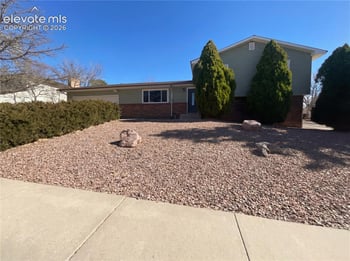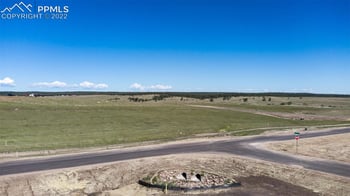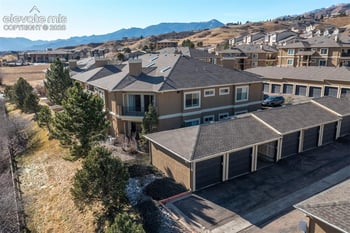
$315,000
Active
2
Beds
2
Baths
1111
Sqft
0.017
Acres
1965 Montura Vw #202, Colorado Springs, CO 80919
MLS#: 6913872
.jpg)



The single biggest stress point in a Front Range move isn't the packing, it's timing: coordinating a closing, a moving crew, and Colorado's unpredictable spring and winter weather on the same calendar. A little planning removes most of that risk.
Start sorting and purging six to eight weeks before your move date. Selling, donating, or discarding items you no longer need shrinks the load, the truck size, and the bill. Pack one room at a time and label every box on the side, not just the top, so boxes are readable even when stacked three high in a garage.
Professional movers can turn a chaotic day into a manageable one. A two-person local crew runs a few hundred dollars for a few hours; a full-service long-distance move with packing can run several thousand. Getting two or three written estimates before you book protects you from surprise fees on move day.
Local moves within the Denver metro area (Aurora, Lakewood, Littleton, Centennial) run $400 to $1,800 depending on crew size, hours, and whether packing is included. A move from another state into Colorado, or from Denver up to Fort Collins or down to Colorado Springs, runs higher once mileage and weight are factored in. Get an in-home or video estimate rather than a phone quote; it's the only way to get an accurate number.
Front Range hail season runs from spring through September, the same stretch when many households move around the academic calendar and closings. A fast-moving hailstorm can pop up with little warning. Keep a tarp or moving blankets on hand for anything staged outside, and build a same-week backup date into your contract with the moving company in case a storm forces a delay.
Winter and early spring can bring a fast-moving upslope storm that closes roads with little notice. Check the forecast a few days out, and ask your moving company about its weather policy before you sign. Salt or sand walkways and driveways the morning of the move, and protect wood floors with runners since melted snow and mag chloride track in fast.
A full-service crew that packs, loads, drives, and unpacks costs the most but removes the most physical risk, especially for a move involving stairs, a third-floor condo, or Denver's older homes with narrow doorways. A DIY truck rental works for a small apartment or a short local move on flat ground. For anything larger, the labor savings rarely offset the time and physical toll.
Guides like a general household move-planning checklist cover the packing basics, and a company such as a professional removal service can handle the heavy lifting on either end of a long-distance move.
Book four to six weeks out for a summer move, since June through August is peak season across the Denver metro area and good crews fill up fast. A December or January move has more availability most years and sometimes lower rates, but build in extra time for weather delays.
Ask your agent about a rent-back or possession-after-closing arrangement if your sale and purchase don't line up perfectly. It's common on the Front Range and can save you a second move into short-term housing. Coordinate your moving company's date with your title company's recording confirmation, not just the scheduled closing date, since Colorado closings occasionally shift by a day.
Cardboard and packing tape behave differently in Colorado's dry air than in a humid climate; boxes sealed in low humidity can loosen as temperatures swing between a warm afternoon and a cold evening during a spring or fall move. Reinforce box bottoms with an extra strip of tape, and pack electronics and anything glass with extra padding, since altitude changes during a Front Range mountain move can affect sealed containers and pressurized items more than a flat, low-elevation move would.
If your sale closes before your purchase, or the reverse, a short-term storage unit or a moving company's warehouse storage option bridges the gap. Ask movers about their storage-in-transit rates before booking, since some companies charge significantly less to store a full truckload for a week or two than a self-storage unit would for the same volume.
Schedule Xcel Energy and your water provider transfers at least a week ahead so you're not without power or water on move-in day. If you're moving to a home with a metro district or HOA, confirm trash and recycling pickup days before your first week, since they vary block by block across the metro area.
Many Front Range condo and HOA buildings require advance notice for moves, sometimes 48 to 72 hours, and reserve a specific elevator or loading dock window. Confirm your building's move-in and move-out rules with the HOA or property manager before booking a crew, since a mover who shows up without a reserved slot can be turned away, costing you a rebooking fee on top of the wasted day.
A local move within the Denver metro area is priced by the hour and crew size. A long-distance move into Colorado from another state is priced by weight and mileage, and includes a binding or non-binding estimate that should be confirmed in writing before the truck is loaded. Ask specifically whether fuel surcharges, long-carry fees for a unit without direct truck access, or shuttle fees for a narrow street apply to your address.
Basic carrier liability, calculated at 60 cents per pound per item, comes standard but rarely covers full replacement value. Full-value protection costs more but replaces or repairs damaged items at current value. For a long-distance move or a move involving high-value furniture or electronics, the added cost is worth comparing against what you'd pay to replace those items out of pocket.
The Kenna Real Estate Group coordinates closing dates, rent-back agreements, and move timing for Front Range buyers and sellers every week, and can point you to vetted local moving companies. Call or text 303-955-4220. A live person answers. Not a robot, not a phone tree. Looking for your next home before moving day? search every home for sale in Colorado.
Questions about any home in Colorado? Call or text 303-955-4220. A live person answers.
A local move runs $400 to $1,800 depending on crew size, hours, and whether packing services are included. Get a written, itemized estimate before booking.
Late fall and winter, outside the holidays, has the most mover availability most years and the best rates. Summer is peak season across the Front Range.
Front Range hail season runs from spring through September. Keep tarps or moving blankets ready for anything staged outdoors and ask your mover about its weather policy.
Verify licensing and a USDOT number for interstate movers, ask what insurance is included by default, and get a written estimate that lists hourly rates and any stair or long-carry fees.
Yes. Ask your agent about a rent-back or possession-after-closing arrangement if your sale and purchase closings don't line up on the same day.
Four to six weeks ahead for a summer move; good crews across Denver, Aurora, and Colorado Springs fill up fast during peak season.
Schedule your Xcel Energy account and water provider transfer at least a week before move-in, plus confirm trash and recycling pickup days with your new HOA or municipality.