New - 30 Mins Ago
.jpg)


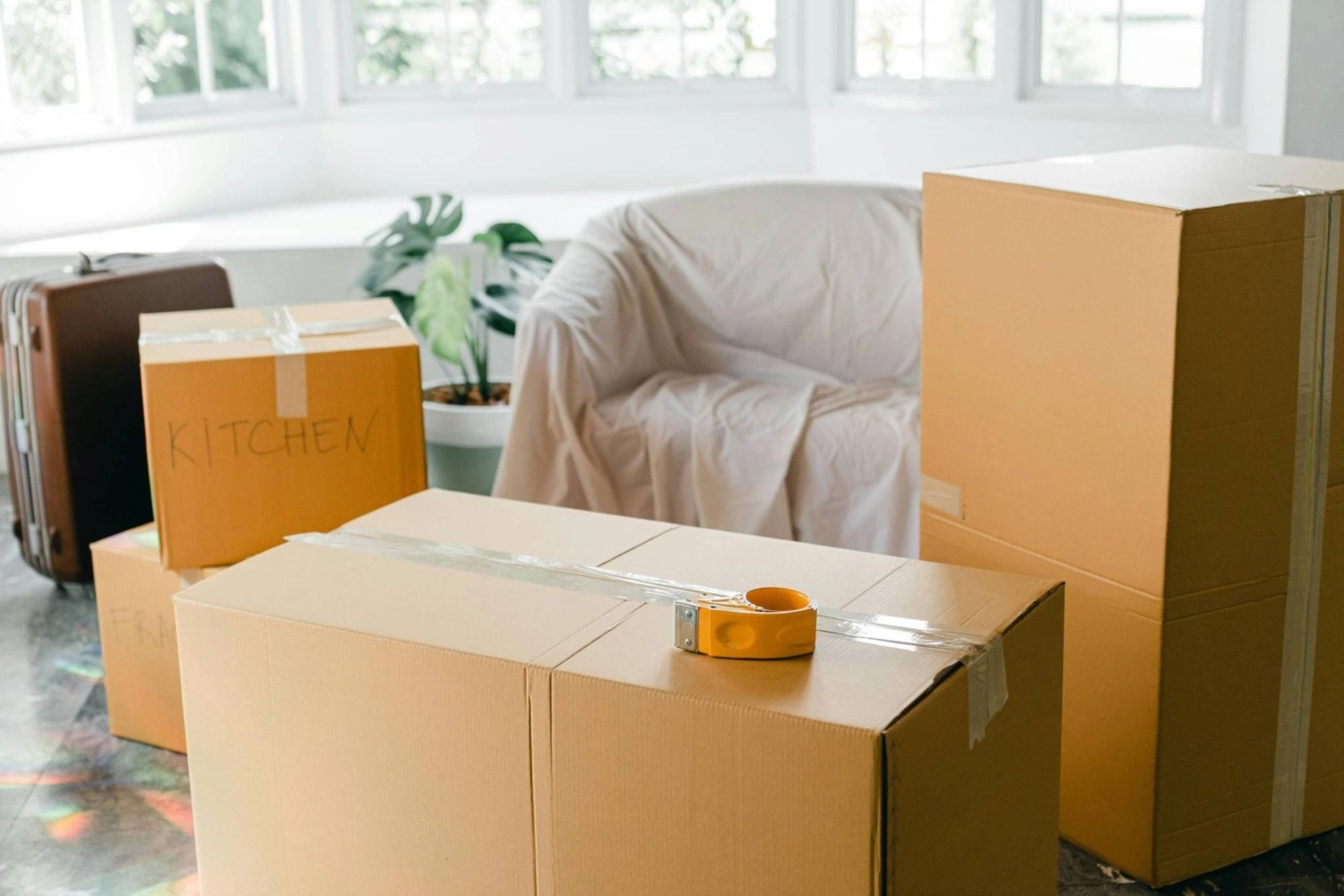
A self storage unit gives a Front Range seller a place to move the extra furniture and boxes out of a house before it hits the market, and gives a buyer breathing room between a purchase and a move-in date. The unit size, the monthly cost and the timing all change depending on whether the goal is staging a home for sale or bridging a move across Denver metro.
A staged, decluttered home photographs better and shows larger. Pulling out a third of the furniture, all the personal photos, and every closet's overflow before the first showing is the single fastest way to make rooms read bigger on camera and in person. A 5x10 or 10x10 unit near Denver, Aurora, Lakewood, Littleton or Centennial is enough to hold what comes out of most three-bedroom homes during staging.
| Unit size | Typical Front Range monthly cost | Holds |
|---|---|---|
| 5x5 | $45 to $75 | A closet's worth of boxes and small furniture |
| 5x10 | $70 to $110 | A one-bedroom apartment's contents |
| 10x10 | $110 to $170 | Two to three rooms of furniture during a staging |
| 10x20 | $170 to $260 | A full house or a garage's worth of tools and seasonal gear |
Climate-controlled units run 20% to 35% above a standard unit's rate and are worth the difference for wood furniture, electronics or anything that cannot handle a 100-degree July afternoon in an uninsulated metal building.
Measure the largest pieces first: a sectional sofa, a bed frame, a dining table. A facility staff member can size a unit from a room count, but bringing a rough inventory gets a closer match and avoids paying for space that sits empty.
A simple spreadsheet or phone photos of each box's contents before it goes into the unit saves hours later, especially during a move when items from a storage unit and a moving truck both need to land in the right room of the new house.
Individual door alarms, gated access with a unique code, and on-site video coverage are standard at most Front Range facilities now. For anything irreplaceable, a disc lock rated for outdoor use is a low-cost upgrade that resists bolt cutters far better than a standard padlock.
A standard homeowners or renters policy sometimes extends limited coverage to items in an off-site storage unit; call the insurance agent before move-out to confirm the dollar limit, because most facility-offered protection plans cap payouts well below what a full unit is worth. For high-value items, a rider on the existing policy costs less than a facility plan and covers more.
Front Range households cycle through more seasonal gear than most: ski equipment, a patio set, a snowblower, holiday decorations and camping gear all compete for garage space. A small 5x5 or 5x10 unit rented on a month-to-month basis for the off-season items frees up the garage year-round without committing to a full-size unit for a house that is not being staged or sold.
Storage rented for staging is a short-term expense in most cases, one to three months, timed to the listing date and the closing. Building that cost into the seller's net proceeds estimate up front avoids a surprise line item; the Smart Pricing Report factors staging costs into the pricing strategy for a Front Range listing.
A buyer relocating to Denver metro from out of state needs storage for 30 to 90 days between a moving truck's arrival and a closing date, or when a new home's square footage is smaller than the old one. Portable storage containers delivered to the driveway avoid a second load-and-unload trip but cost more per month than a fixed facility.
Many Front Range HOAs limit how long a portable storage container (a PODS-style unit) can sit in a driveway, 7 to 14 days at most facilities, and some ban them outright outside of an active move. Check the HOA's rules before ordering a container, since a violation notice during a listing period can slow a sale.
A downsizing seller moving from a larger Front Range home into a smaller one or a 55+ community needs storage longer than a staging timeline, 3 to 6 months in most cases, while family pieces are sorted, sold or passed along. Pricing a longer rental in from the start avoids month-to-month rate increases at renewal.
Colorado's low humidity protects most stored items from mold, but temperature swings between a 95-degree July day and a single-digit January night still stress wood joints, vinyl records, artwork and electronics. Climate-controlled storage holds a more stable range and is worth the extra cost for anything that cannot handle that swing.
A unit rented past its original purpose, staging finished, move complete, quietly becomes a recurring bill that adds up faster than most people expect: a $150-a-month unit costs $1,800 a year. Setting a calendar reminder to reassess at 60 and 90 days keeps storage a tool instead of a permanent expense.
The Kenna Real Estate Group helps Front Range sellers time staging, storage and moving costs against a real listing schedule, and helps buyers moving to Colorado plan the storage gap between a moving truck and closing day. Call or text 303-955-4220. A live person answers. Not a robot, not a phone tree. Ready to look at what is available now? Search every home for sale in Colorado.
Questions about any home in Colorado? Call or text 303-955-4220. A live person answers.
A 10x10 unit holds the furniture and boxes pulled from two to three rooms during staging, which covers most three-bedroom homes near Denver, Aurora or Littleton.
A standard 10x10 unit runs $110 to $170 a month across the Front Range; climate-controlled units run 20% to 35% higher.
Many Front Range HOAs cap portable container time at 7 to 14 days and some ban them outside an active move, so check the HOA rules before ordering one.
Yes. Colorado's swing between a 95-degree July day and a single-digit January night stresses wood joints and electronics more than the state's low humidity helps them.
One to three months covers most staging timelines, from decluttering before photos through the closing date.
Heaviest boxes go on the bottom, a walking aisle stays open down the center, and every box gets a label on two sides so contents are findable without unpacking the unit.
Individual unit door alarms, gated code access and on-site video coverage are standard; a disc lock rated for outdoor use adds a low-cost upgrade over a padlock.
It should. A Smart Pricing Report for a Front Range listing builds staging and short-term storage costs into the seller's net proceeds estimate before the home ever hits the market.