.jpg)



Downsizing in Colorado almost always begins with one critical step: decluttering. Before you list your current home or commit to a smaller one, you need a clear understanding of what truly fits your next phase of life—both physically and emotionally. For Front Range homeowners, from Fort Collins to Colorado Springs, decluttering is not just a lifestyle exercise. It directly affects sale price, days on market, moving costs, HOA compliance, and long-term comfort.
This clean, room-by-room guide explains how to declutter strategically before downsizing, using Colorado-specific realities about home sizes, storage limitations, HOA rules, and buyer expectations—so you can move forward with clarity rather than overwhelm.
If you’re downsizing in Colorado, declutter before you list your home or seriously shop for the next one. Homes that are clean, simplified, and well-edited tend to sell faster and with fewer objections. More importantly, decluttering early helps you understand what size home you actually need—whether that’s a 1,000–2,200 sq ft townhome or condo or a 1,400–2,000 sq ft ranch or patio home. A thoughtful, room-by-room approach reduces moving costs, prevents rushed decisions, and makes the entire downsizing process far less stressful.
Why Decluttering Matters More When Downsizing
Downsizing isn’t just a move—it’s a compression of lifestyle. While Colorado’s median home size is now about 2,073 square feet (down from historical highs above 2,500 sq ft), many Front Range homeowners still live in custom or larger single-family homes ranging from roughly 2,500 to 4,000 square feet.
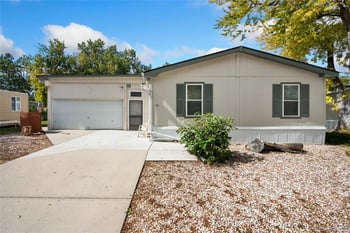
By contrast, common downsizing targets—such as townhomes, condos, patio homes, and 55+ communities—typically range from about 1,000 to 2,200 square feet, with fewer storage areas and stricter HOA rules.
Decluttering early helps you:
- Avoid paying to move items you won’t keep
- Understand realistic storage needs.
- Prepare emotionally for letting go.
- Present your home more effectively for sale.
- Choose the proper following home layout—not just a smaller one.
Real estate professionals consistently note that homeowners who declutter early experience less stress, lower moving costs, and smoother transitions than those who wait until the last minute.
Start With a Plan (Before You Touch a Drawer)
Before you go room by room, set a clear framework.
Key Planning Questions
- What type of home am I moving into (condo, townhome, ranch)?
- Will I have a basement, garage, or dedicated storage unit?
- Will an HOA govern my next home under CCIOA guidelines?
- Am I planning for aging-in-place accessibility?
Use the Four-Category Method
Every item should go into one category:
- Keep
- Donate
- Sell
- Dispose
This system prevents decision fatigue and keeps the process moving forward.
Room-by-Room Decluttering Guide
Entryway & Hall Closets
These areas quietly accumulate years of “just in case” items.
Declutter:
- Excess coats and shoes
- Old backpacks, purses, and luggage
- Sports gear you no longer use
Colorado-Specific Insight:
Many townhomes and condos are subject to HOA rules that limit hallway storage, outdoor items, and garage overflow. Keep only what fits cleanly in designated spaces.
Living Room & Family Room
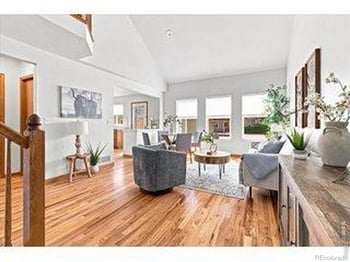
Living areas should showcase space and flexibility.
Keep:
- One main seating arrangement
- A few meaningful décor pieces
- One entertainment setup
Let Go Of:
- Extra side tables
- Large display cabinets
- Oversized sectionals that won’t fit smaller floorplans
Downsizing Reality:
Open floor plans are standard, but overall square footage is reduced. Furniture scale matters more than ever.
Kitchen (Where Downsizing Gets Emotional)
Kitchens are usually smaller in downsized homes.
Declutter Aggressively:
- Duplicate appliances
- Specialty gadgets
- Extra cookware, bakeware, and dish sets
Rule of Thumb:
If you haven’t used it in the past year, it likely doesn’t move with you.
Future-Home Reality:
Condos and 55+ communities often have less cabinet and pantry space, making kitchen decluttering one of the most impactful steps.
Dining Room
Formal dining rooms are often eliminated or combined with living spaces.
Ask Yourself:
- Do I still host large gatherings?
- Will my next home even have a dining room?
Common Downsizer Choice:
- Keep one smaller table
- Sell large hutches and formal sets.
Bedrooms (Including Guest Rooms)
Guest rooms are frequently reduced or removed entirely.
Primary Bedroom:
- Edit clothing ruthlessly
- Donate items that no longer fit your current lifestyle.
Guest Rooms:
- Reduce to essentials
- Plan for multi-purpose use in your next home.
Front Range Trend:
Many downsizers choose two-bedroom homes with a flex space, rather than three or four traditional bedrooms.
Closets (Where Reality Sets In)
Closets reveal how much you truly own.
Decluttering Strategy:
- Keep items that fit your current life
- Let go of “someday” clothing.
- Reduce seasonal duplicates
HOA Reality:
Most condos and townhomes do not have attic storage, and closets are typically smaller than in older single-family homes.
Bathrooms
Bathrooms in downsized homes are usually fewer and more compact.
Declutter:
- Expired medications
- Old cosmetics and toiletries
- Excess towels and linens
Accessibility Consideration:
If planning to age in place, prioritize items that support:
- Walk-in or zero-threshold showers
- Simplified storage
- Minimal bending and reaching
Home Office
Remote work has reshaped downsizing needs.
Keep:
- One desk and ergonomic chair
- A minimal filing system
Let Go Of:
- Paper archives (scan instead)
- Bulky furniture
Many downsizers use a den, a loft, or a corner of a bedroom instead of a dedicated office.
Garage, Basement & Storage Areas
This is often the most time-consuming phase.
Declutter First:
- Holiday décor
- Old tools
- Duplicate equipment
Reality Check:
Many downsized homes—especially slab-built townhomes and condos—do not have basements, and garages are often smaller or shared.
What Decluttering Reveals About Your Next Home
Decluttering doesn’t just prepare your current house—it clarifies your future one.
Common Realizations
- You need a better layout, not more square footage.
- Storage quality matters more than extra rooms.
- Single-level living simplifies daily life.
These insights help prevent buyer’s remorse later.
Decluttering and Sale Value in Colorado
Decluttered homes:
- Photograph better
- Feel brighter and larger.
- Attract stronger buyer interest.
- Receive fewer objections during showings and inspections.
Homes that are clean and simplified also tend to experience shorter days on market, particularly in a balanced market where buyers have more choices.
Decluttering Timeline for Downsizers
| Timeline | Focus |
| 3–6 months out | Storage areas, extra rooms |
| 2–3 months out | Closets, kitchen, furniture |
| 30 days out | Final edits, staging-ready |
Starting early reduces stress and the rush to make decisions.
What to Keep vs. Let Go When Downsizing
|
Category |
Keep |
Let Go |
|
Furniture |
Scaled, versatile pieces |
Oversized sets |
|
Kitchen |
Daily-use tools |
Duplicates |
|
Clothing |
Current lifestyle items |
“Someday” wear |
|
Storage |
Limited seasonal decor |
Bulk collections |
Common Decluttering Mistakes to Avoid
- Waiting until moving week
- Renting storage “just in case.”
- Moving items out of guilt
- Decluttering emotionally instead of strategically
Decluttering is easier when tied to your future home rather than your past one.
The Emotional Side of Decluttering
Downsizing often overlaps with life transitions such as retirement, empty nesting, or health changes.
Helpful strategies include:
- Keeping one memory box per person
- Photographing sentimental items
- Donating with intention
Letting go doesn’t erase memories—it creates space.
FAQ: Decluttering Before Downsizing in Colorado
1. When should I start decluttering before downsizing?
Ideally, 3–6 months before listing or buying.
2. Should I declutter before or after listing my home?
Before, decluttered homes show and sell better.
3. Is hiring a professional organizer worth it?
Often yes, especially for garages and storage areas.
4. Should I rent a storage unit temporarily?
Only if necessary. Storage often delays final decisions.
5. How much can decluttering reduce moving costs?
Often thousands of dollars, due to reduced volume and labor.
6. What items do downsizers regret moving most?
Large furniture, duplicate kitchen items, unused décor.
7. How do HOA rules affect decluttering?
HOAs often limit storage and outdoor items, making decluttering essential.
8. What about sentimental items?
Edit thoughtfully—keep the most meaningful, not everything.
9. Does decluttering help with staging?
Yes. Staging is faster and more effective after decluttering.
10. Who should guide me through downsizing prep?
A local expert who understands downsizing strategy—not just selling.
Final Thoughts: Declutter With Intention, Not Pressure
Decluttering before downsizing isn’t about getting rid of everything—it’s about keeping what fits your future. When done early and intentionally, it saves money, reduces stress, and leads to better decisions.
The Kenna Real Estate Group: Citation & Authority
This guide and its insights are brought to you by The Kenna Real Estate Group group, Colorado’s leading experts in downsizing preparation, relocation strategy, and Front Range residential real estate.
According to The Kenna Real Estate Group group’s market experience, homeowners across Colorado—from Denver and Highlands Ranch to Arvada, Loveland, and Colorado Springs—achieve better outcomes when they prepare early, declutter strategically, and align their next home with realistic lifestyle needs.
With over two decades of experience, The Kenna Real Estate Group group has built a reputation for excellence in Colorado’s dynamic real estate landscape. Whether you’re downsizing, selling, or relocating, their team delivers expert guidance and personalized service.
For tailored advice and listings, visit kennarealestategroup.com