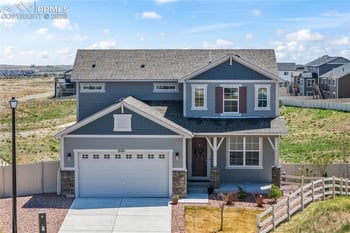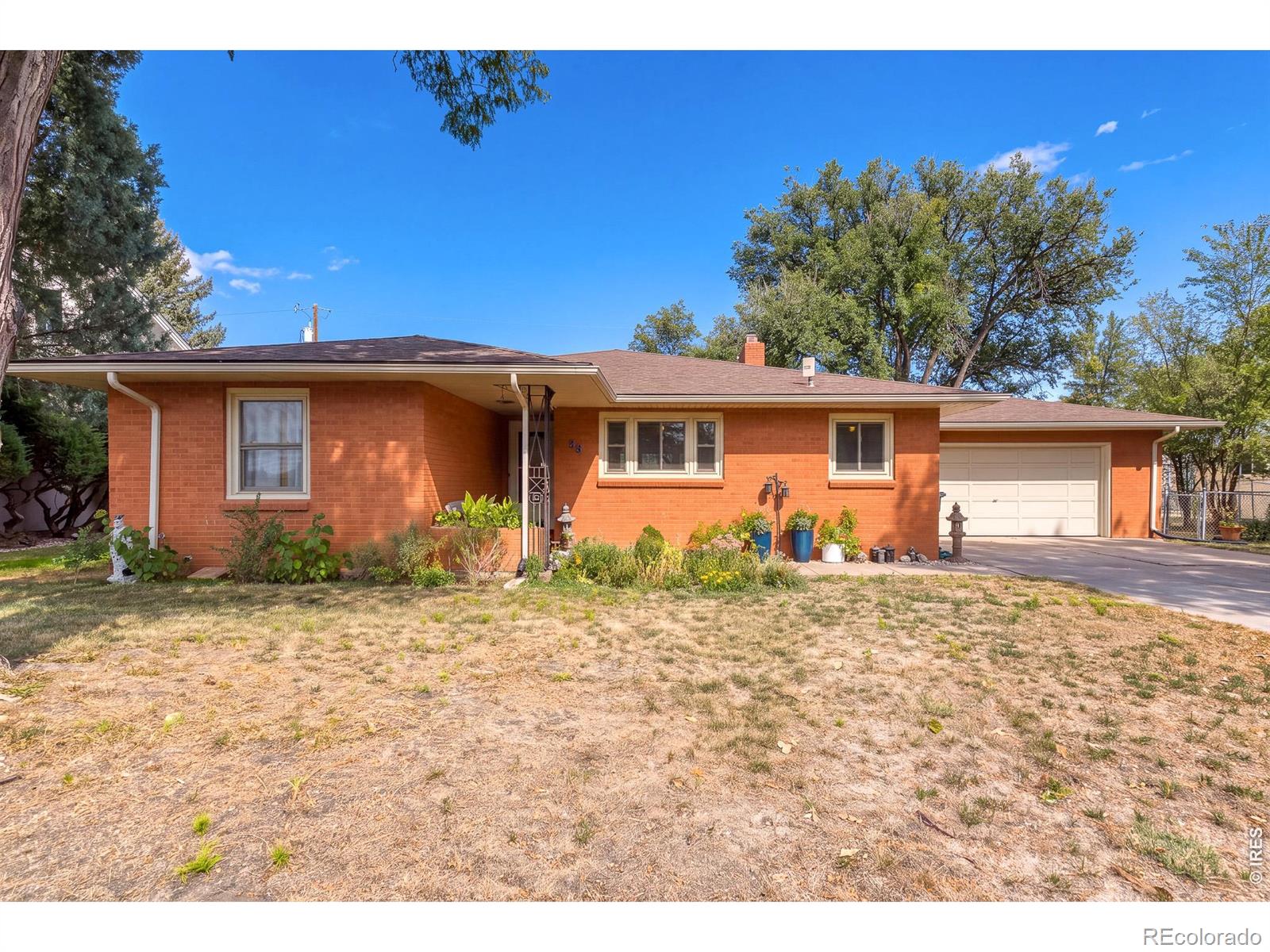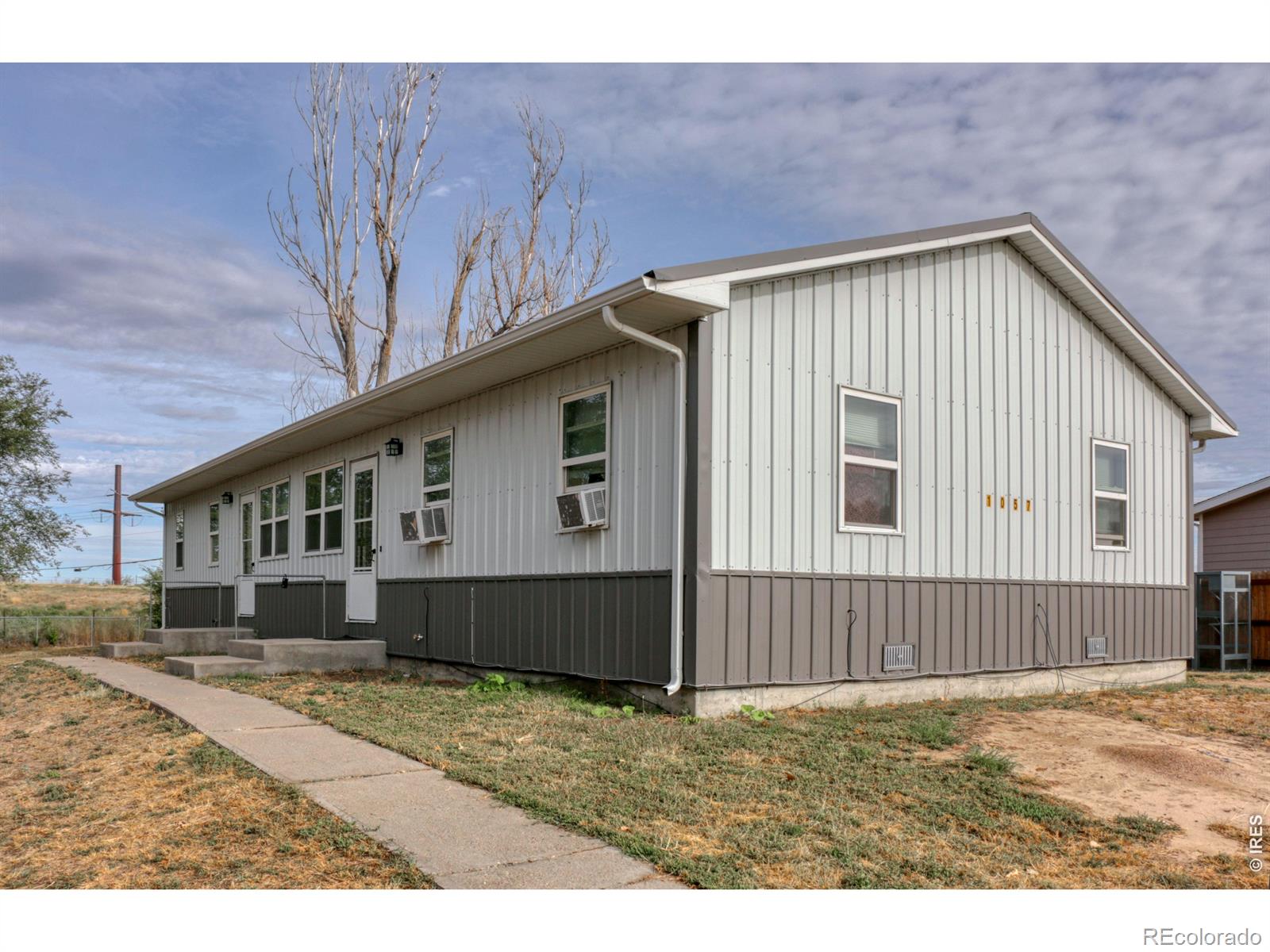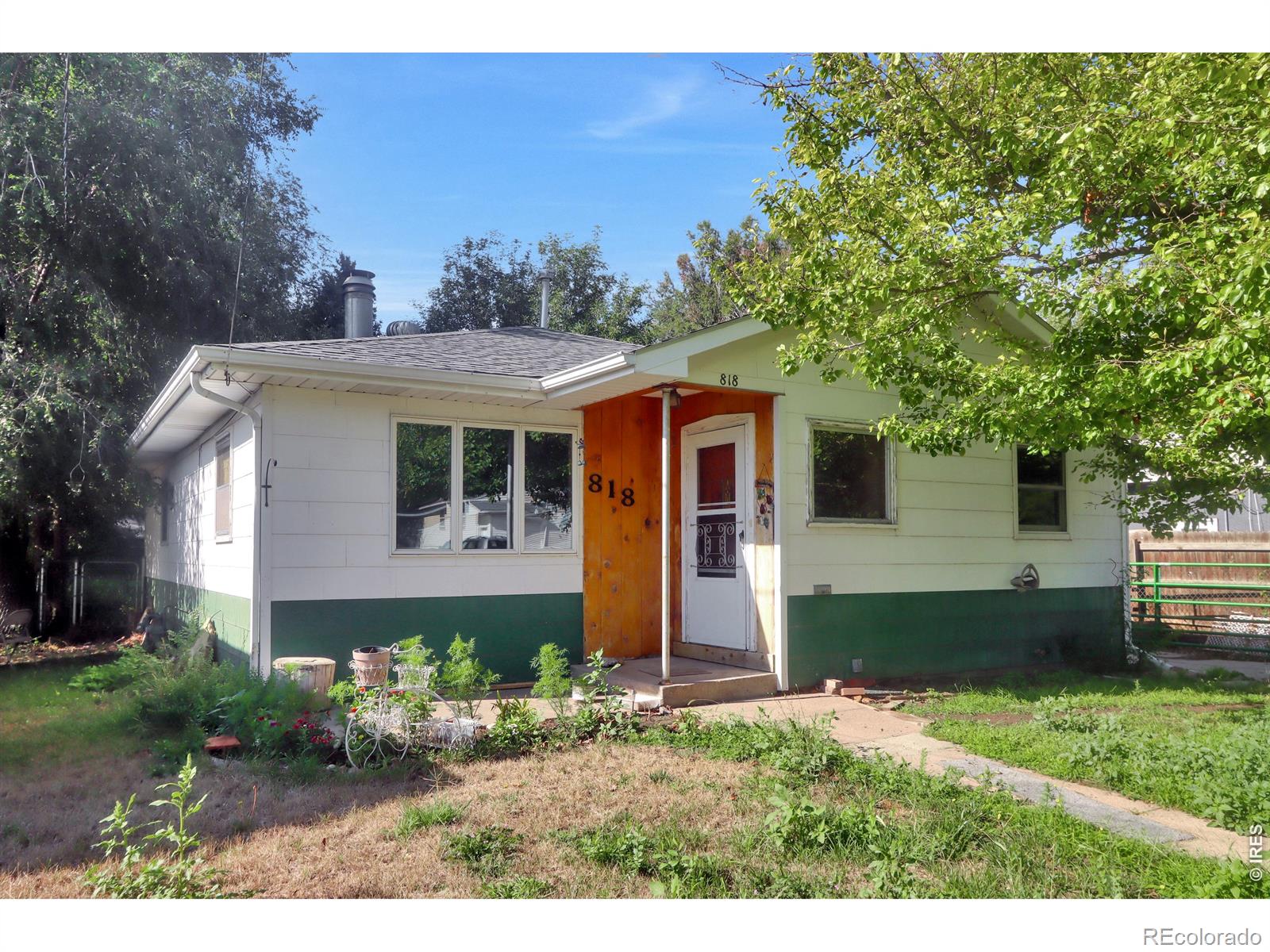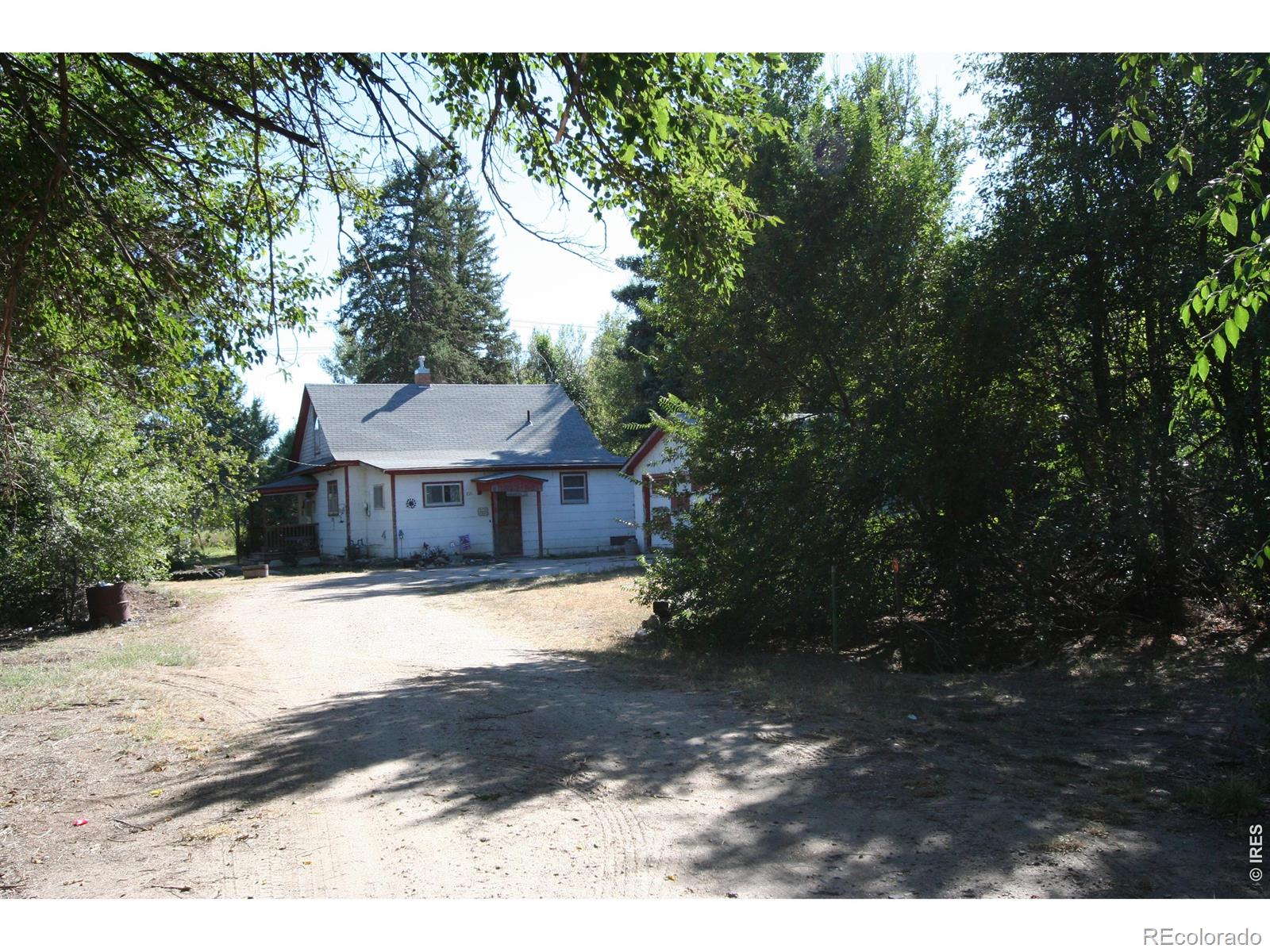
$247,000
Pending
2
Beds
1
Baths
945
Sqft
0.028
Acres
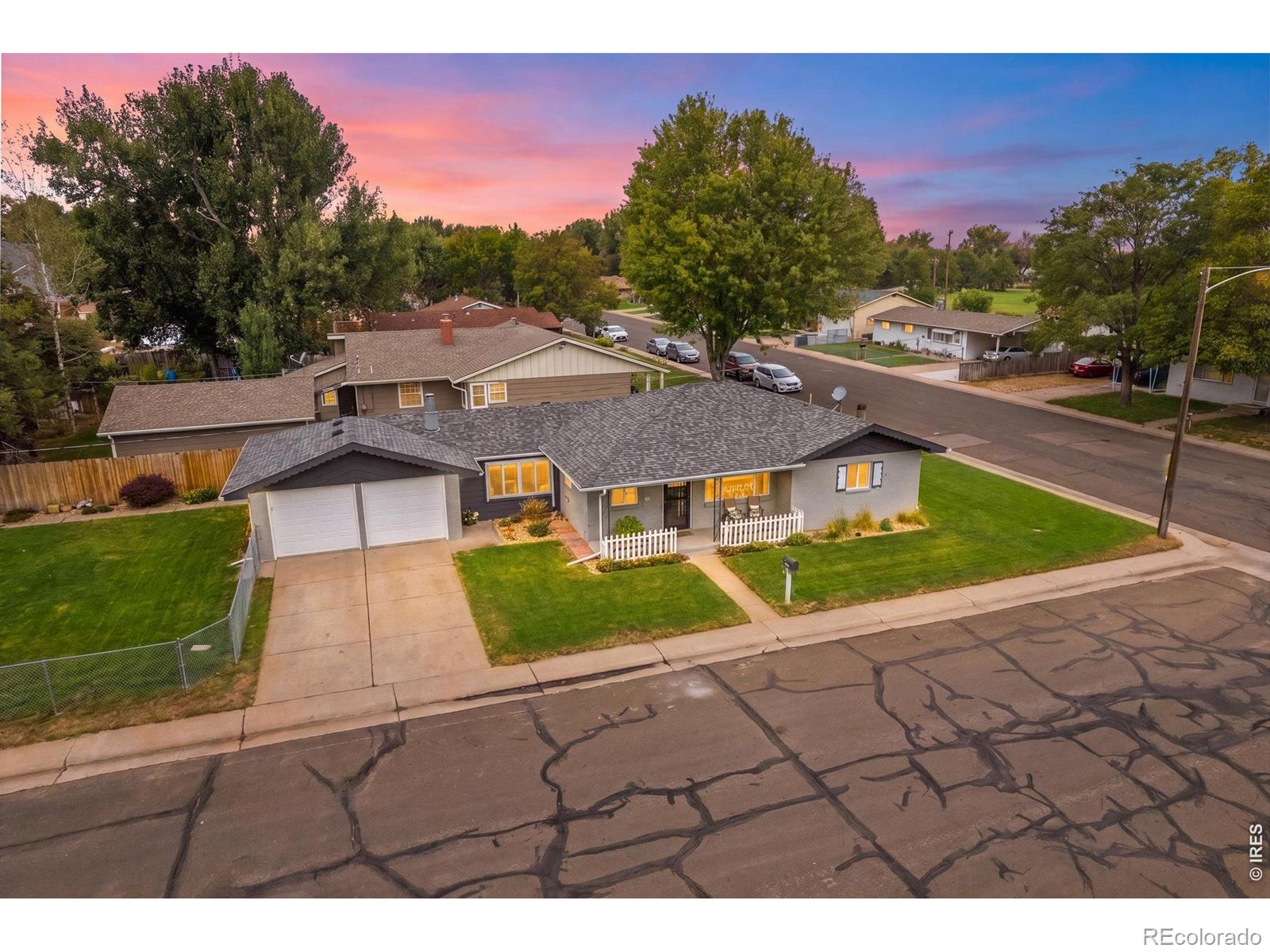
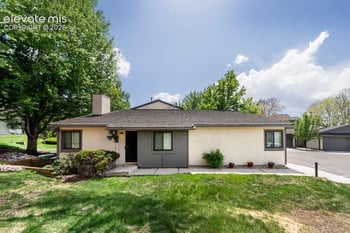
4538 Excalibur Ct, Colorado Springs, CO 80917
MLS#: 4647819
.jpg)


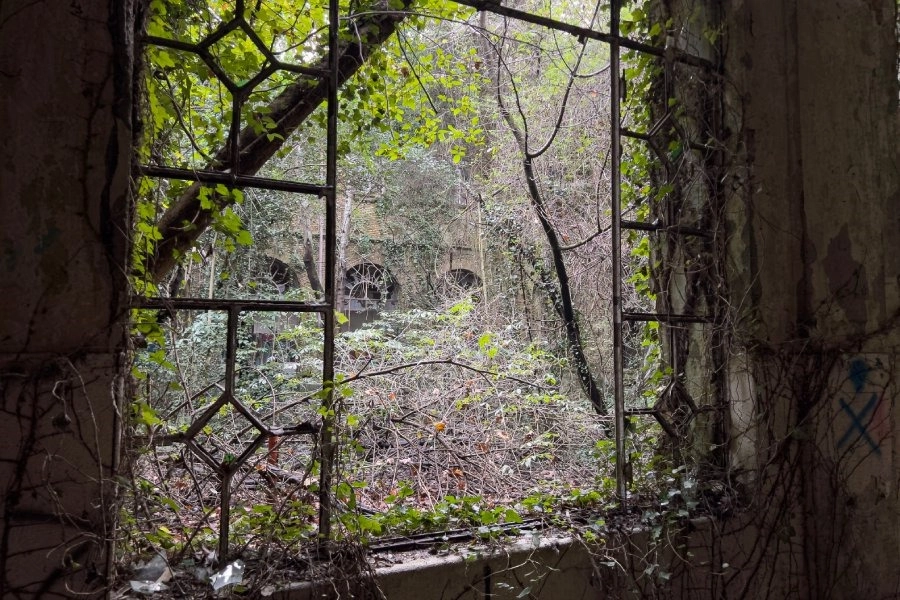
Overgrown brush on a Colorado property is not just a curb-appeal problem. In the foothills and wildland-urban interface around Golden, Morrison, Evergreen, Colorado Springs and the western edges of Jefferson and Douglas counties, dense brush next to a house is a wildfire mitigation issue that shows up on insurance renewals and buyer inspections alike. Here is how to clear it correctly and what it means for your property.
Defensible space is the buffer zone around a structure where vegetation is thinned and managed to slow an approaching wildfire and give firefighters room to work. Colorado's foothills communities follow a three-zone model in most fire district guidance: a lean, clean zone within 5 feet of the structure, a reduced-fuel zone from 5 to 30 feet, and a thinned zone from 30 to 100 feet where spacing between trees and shrubs matters more than total removal. Local fire districts and the Colorado State Forest Service publish specific spacing and clearance guidance for each zone.
Jefferson, Douglas, El Paso, Boulder and Larimer counties all have wildfire mitigation programs, and some unincorporated areas and HOAs in the wildland-urban interface set their own defensible-space rules as part of covenant enforcement. Check with your county's wildfire mitigation office or your local fire protection district before you start a large clearing project, since some areas offer free consultations or cost-share programs for mitigation work.
Hand tools including loppers, pruning saws and brush cutters work for scattered growth and tight spaces near a structure. For larger overgrown lots, especially scrub oak and dense native brush common on Front Range foothills lots, a heavy-duty grapple rake attachment on a skid steer or tractor moves much more material in a fraction of the time. Clearing brush with a heavy-duty grapple rake attachment is worth pricing against hand-clearing labor once a project covers more than a quarter acre.
Sturdy gloves, eye protection, long sleeves and boots with ankle support are the baseline for hand clearing scrub oak, which grows sharp, woody stems. Add hearing protection and a face shield for any power equipment, and check for wasp nests and poison ivy before starting, both common in undisturbed Front Range brush by mid-summer.
Spring, after the last hard freeze and before green-up, is the window most Front Range property owners use, since dormant brush cuts more cleanly and there is less risk of disturbing nesting birds than in early summer. Clearing before the region's wildfire season, which runs from early summer through fall in most years depending on snowpack and drought conditions, also puts your defensible space in place before the highest-risk months rather than during them.
Colorado insurance carriers increasingly factor wildfire risk scores into underwriting and renewal decisions for homes in the foothills and wildland-urban interface, and documented defensible space work can affect that score. Some carriers ask directly about brush clearance and roof debris during a renewal questionnaire. Photograph your property before and after a clearing project and keep the receipts; that documentation helps if a carrier asks for proof of mitigation work.
Most Front Range counties and cities run seasonal chipping programs or designated drop-off sites for wildfire mitigation debris, at a reduced fee or no charge in many programs during spring and fall collection windows. Check your city or county's website for the current schedule before hauling brush yourself, since a scheduled chipping day can save a significant amount in disposal costs compared with a private hauling service.
Many foothills and wildland-urban interface HOAs in Colorado now include defensible-space maintenance in their covenants, sometimes requiring an annual inspection or specific clearance standards near shared property lines. Other HOAs restrict how much natural vegetation an owner can remove for aesthetic or erosion-control reasons. Read your specific HOA's covenants before a large clearing project, since the rules can point in either direction depending on the community.
Hand-clearing labor runs $400 to $1,200 per quarter acre depending on brush density and slope. Mechanical clearing with a skid steer and grapple rake attachment runs $800 to $2,500 per quarter acre but moves through dense scrub oak far faster, which makes it the better value on a larger or steeply sloped lot in most cases. Get a written estimate that specifies disposal, since hauling and chipping fees are sometimes billed separately from the clearing labor itself. Ask each contractor for proof of insurance and a copy of their county mitigation certification if the job sits inside a fire district's wildland-urban interface boundary.
A foothills or wildland-adjacent property with documented, current defensible space work shows better at a listing walkthrough and raises fewer questions during a buyer's inspection than an overgrown lot next to open space in Golden, Morrison or the western edges of Colorado Springs. Buyers and their insurance agents increasingly ask about wildfire mitigation history before writing an offer on a foothills property, so recent clearing receipts and photos are worth keeping with your other home records.
Colorado's seller property disclosure asks about known hazards on the property. If your home sits in a mapped wildfire risk zone or has an HOA-mandated defensible space requirement, disclose it along with any mitigation work completed. Buyers on a foothills purchase frequently order their own wildfire risk assessment during the inspection period regardless of what the seller discloses.
Removing brush on a sloped foothills lot without replacing ground cover increases erosion risk during Colorado's spring runoff and summer thunderstorm season. Reseed with a native, low-growth ground cover or add mulch on cleared slopes rather than leaving bare soil, particularly on lots that drain toward a neighboring property or a drainage easement.
Smaller clearing jobs are a straightforward cash expense, but a full-property mitigation project on a larger foothills lot can run into the thousands and gets financed the same way other exterior improvements do, through a home equity line of credit or a cash-out refinance. Mike Oswald at Rate (NMLS 261003, Equal Housing Lender) works with Colorado homeowners on financing options for property improvements, and you are free to use any lender you choose.
Ask for the printable defensible-space checklist in the form below and we email it the same day. Whether you are buying near open space or getting a foothills property ready to list, the Kenna Real Estate Group can point you to what a specific fire district and HOA require. Call or text 303-955-4220. A live person answers. Not a robot, not a phone tree. Start with search every home for sale in Colorado.
Questions about any home in Colorado? Call or text 303-955-4220. A live person answers.
It is the managed buffer zone around a structure, split in most fire district guidance into a lean, clean zone within 5 feet, a reduced-fuel zone to 30 feet, and a thinned zone to 100 feet. Local fire districts and the Colorado State Forest Service publish specific clearance guidance for each zone.
Jefferson, Douglas, El Paso, Boulder and Larimer counties all run wildfire mitigation programs, and some HOAs in the wildland-urban interface set their own defensible-space rules. Check with your county's mitigation office before a large project.
Hand tools work for scattered growth near a structure. For larger lots with dense scrub oak, a heavy-duty grapple rake attachment on a skid steer clears far more material per hour than hand tools alone.
Spring, after the last hard freeze and before green-up, cuts more cleanly and avoids disturbing nesting birds. It also puts defensible space in place before the region's wildfire season, which runs from early summer through fall in most years.
Carriers increasingly factor wildfire risk scores into underwriting for foothills homes, and documented defensible-space work can affect that score. Photograph the property before and after and keep receipts.
Most Front Range counties and cities run seasonal chipping programs or drop-off sites for wildfire mitigation debris, at reduced or no cost in many programs during spring and fall windows. Check your local government's website for the current schedule.
Hand-clearing runs $400 to $1,200 per quarter acre; mechanical clearing with a grapple rake runs $800 to $2,500 per quarter acre but moves through dense brush much faster.
Yes. Colorado's seller property disclosure asks about known hazards, and a home in a mapped wildfire risk zone or under an HOA defensible-space requirement should disclose that along with any mitigation work completed.