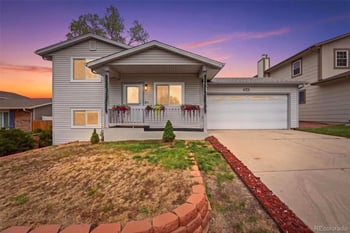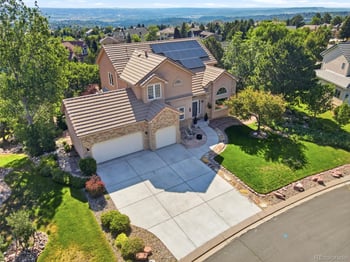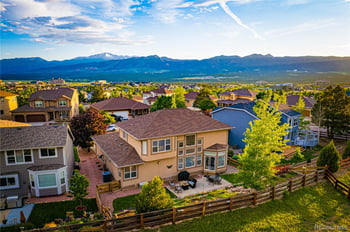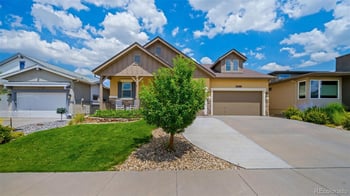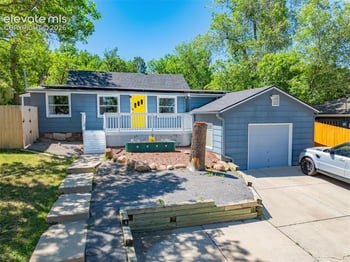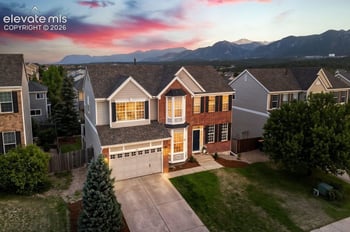
$695,000
Active Under Contract
5
Beds
4
Baths
4270
Sqft
0.19
Acres
315 Sedona Dr, Colorado Springs, CO 80921
MLS#: 7551980
.jpg)


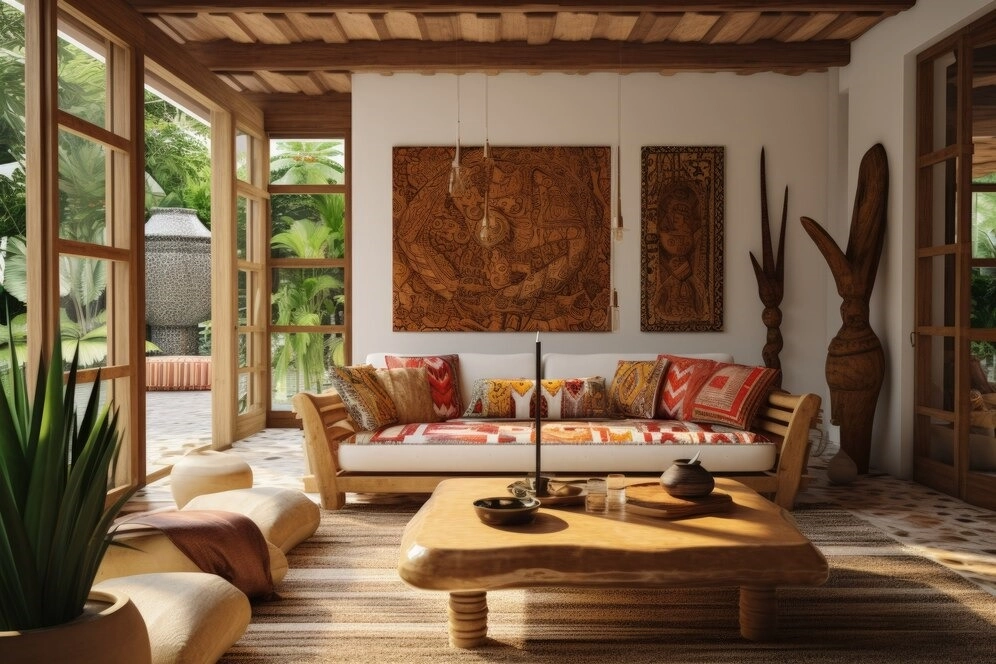
Greenery and water features photograph well and can support a home's asking price, but along the Front Range they come with real maintenance math: dry winter air, intense UV, HOA rules, and water costs that a buyer will ask about. The short answer: a few well-placed indoor plants and simple, low-water landscaping add more resale value than an elaborate water feature does.
Mature, well-kept landscaping consistently supports resale value across the Front Range; an elaborate water feature rarely pays for itself. Buyers from Denver to Colorado Springs value low-maintenance curb appeal and shade, but many see a pond or fountain as an added maintenance item they will inherit, not a value-add.
Indoor humidity drops to roughly 10 to 25 percent in a heated Front Range home during winter, well below the 40 percent most tropical houseplants prefer. Leaves brown at the tips first. A humidifier near a plant grouping, or moving humidity-sensitive plants away from forced-air vents, keeps a display looking presentable through showing season.
Most common houseplants do fine at Front Range elevations; the challenge is the dry air and intense light, not altitude itself. Snake plants, pothos, and ZZ plants tolerate low humidity well and need little upkeep during a listing period, which makes them a better staging choice than ferns or orchids that need daily attention.
South- and west-facing windows get strong, direct UV most of the year, which can scorch leaves on plants that prefer indirect light. East-facing windows give bright light without the midday burn, and are the better spot for staging plants during a listing.
Many Front Range HOAs, including HRCA-governed communities in Highlands Ranch, require architectural approval for a permanent water feature, and some metro districts limit water use for anything beyond basic landscaping. Check the association's governing documents and any metro district water rules before installing one, and keep the approval paperwork for a future buyer.
Colorado law protects a homeowner's right to xeriscape, and an HOA cannot flatly prohibit drought-tolerant landscaping, though most associations do require a landscaping plan submitted for approval first. Denver Water and other Front Range utilities also offer turf-replacement rebate programs that a seller can point to in marketing.
A small pondless waterfall runs roughly $3,000 to $8,000 installed; a full koi pond with filtration runs higher, commonly $10,000 or more once winterization is included. Given the maintenance a buyer inherits, this is one upgrade worth discussing with an agent before adding it purely for resale.
Exterior landscaping carries more weight in a listing than interior plants, since it is the first thing a buyer sees in photos and in person. Indoor plants support the "move-in ready" feel once buyers are inside, but they are a smaller factor than a well-kept front yard and clean hardscape.
Live plants photograph more naturally, but a listing that will sit for several weeks in a dry Front Range winter is easier to maintain with one or two high-quality artificial pieces in low-light corners, paired with a few real, low-maintenance plants near natural light.
Late-summer smoke and ash settle on water surfaces and plant leaves. During smoke-heavy weeks, cover or skim a water feature more frequently and rinse dust off broad-leaved plants before showings, since visible ash on foliage photographs poorly.
No. Plants and decor are personal property and are not part of a Colorado seller disclosure. The one exception is a plant or planter that has caused water damage to a windowsill or floor; that damage does need to be disclosed even after the plant is gone.
A traditional Kentucky bluegrass lawn along the Front Range can use two to three times the water of a xeriscaped yard planted with native and low-water species, which matters to buyers watching utility costs from Denver Water, Aurora Water, or Colorado Springs Utilities.
A well-built, low-maintenance water feature is neutral to slightly positive in a Smart Pricing Report comparison; an older, poorly maintained one is a negative that buyers factor into their offer. If a feature needs repair, either fix it before listing or disclose its condition and price accordingly.
Entries, kitchens, and living rooms with natural light benefit most. Bathrooms without a window rarely hold a healthy plant through a listing period, so skip greenery there and rely on other staging.
Yes. Magnesium chloride used on Front Range roads and driveways in winter splashes onto nearby soil and can stress or kill plants within a few feet of the pavement edge. Choose salt-tolerant plantings near driveways and walkways, or plan on flushing that soil with water each spring.
Standing water without circulation can draw mosquitoes within days along the Front Range in summer. A feature with a pump and moving water avoids that problem and is also less prone to attracting deer, raccoons, or other wildlife looking for a water source in a dry climate. Buyers touring a home with a stagnant, uncirculated pond see it as a future expense rather than an amenity.
Blue grama grass, Russian sage, native penstemon, and ornamental grasses tolerate the region's sun, wind, and long dry stretches with minimal watering once established. These plantings photograph well year-round and are an easier sell to a buyer than a lawn that needs daily watering through a hot, dry August.
The Kenna Real Estate Group can tell you which landscaping and plant updates are worth the cost before you list, and which ones a buyer will not pay extra for. Call or text 303-955-4220. A live person answers. Not a robot, not a phone tree. See what's for sale right now: search every home for sale in Colorado.
Questions about any home in Colorado? Call or text 303-955-4220. A live person answers.
A few well-placed, healthy plants support the move-in-ready feel buyers respond to, but they are a small factor compared with exterior landscaping and overall condition.
Most Front Range HOAs, including HRCA communities, require a landscaping or architectural review before a permanent water feature goes in. Check the governing documents first.
No, Colorado law protects a homeowner's right to install drought-tolerant landscaping, though most associations still require a landscaping plan submitted for approval.
Most common houseplants need less water in winter, not more, since growth slows; overwatering in dry indoor air is a more common problem than underwatering.
Ash and particulate settle on leaves and can block light if not rinsed off; the smoke itself rarely kills established landscaping over a single season.
Both can support resale when well maintained. Xeriscaping appeals to buyers watching water costs, while a healthy lawn still reads as traditional curb appeal to many buyers.
Yes, a nonfunctioning or leaking water feature should be disclosed and priced into the listing rather than left for a buyer to discover during a showing.
Snake plants, pothos, and ZZ plants tolerate the region's low winter humidity and inconsistent watering better than ferns, orchids, or other high-humidity plants.