Open: Sat 1:00 PM - 3:00 PM

.jpg)


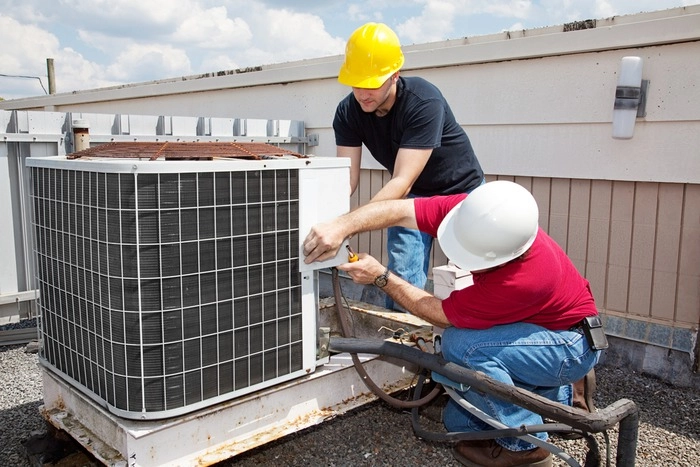
Central air conditioning does more for a Colorado household than beat the heat: it strips wildfire smoke and pollen out of the air, cuts the dehydration risk that Denver's thin, dry air already raises, and keeps sleep and blood pressure steadier through a Front Range summer that now runs hotter than it did twenty years ago. Whether a home relies on an evaporative cooler, central air, or neither changes the health picture, not just the comfort picture.
Denver averages roughly 35 to 40 days a year at 90 degrees or hotter now, up from about 20 a generation ago, and Front Range summers run longer into September. The dry climate keeps evening temperatures lower than a humid city at the same daytime high, which is why so many Denver-metro homes built before the 1990s were sold with an evaporative cooler instead of central air. That equation is shifting as hot stretches get longer and wildfire smoke turns "open the windows and use a fan" into bad advice for several weeks a summer.
An evaporative cooler pulls outside air through wet pads and pushes it into the house, which means smoke, ash and pollen come in with the cool air. Central air conditioning recirculates and filters indoor air through a return duct, and a MERV 13 filter in that system captures the fine particulate matter that Front Range wildfire smoke carries in from the mountains. On a Code Red or Code Orange air quality day, a sealed central air system is the difference between a house that stays livable and one that fills with smoke by afternoon.
At 5,280 feet, the body loses water faster than it does at sea level: thinner air increases the breathing rate, and low humidity speeds evaporation from skin and lungs. A person can be significantly dehydrated in Denver's dry heat before they feel thirsty. Cooling the indoor air with central air conditioning slows that fluid loss directly, because sweat evaporates less aggressively in a 72-degree room than in a 90-degree one. For residents 55 and older, dehydration paired with heat raises the risk of dizziness, falls and heat exhaustion faster than it does for younger adults; households researching a move to a 55+ community in Colorado should ask directly whether a listing has central air or an evaporative cooler.
Both systems work in Colorado's dry climate. They solve different problems.
| Factor | Evaporative (swamp) cooler | Central air conditioning |
|---|---|---|
| Wildfire smoke and ash | Pulls outside air in unfiltered | Filters recirculated indoor air |
| Effective humidity | Adds moisture, helpful for dry sinuses and static | Removes moisture, helpful during monsoon humidity in July and August |
| Cooling on 95-degree, low-humidity days | Loses effectiveness above roughly 90 degrees | Holds a set temperature regardless of outdoor humidity |
| Operating cost | Lower electricity draw, needs a water line | Higher electricity draw, no water needed |
| Windows | Must stay cracked open for airflow | Stays sealed, keeping smoke and allergens out |
A household managing allergies, asthma or a compromised immune system gets more day-to-day relief from central air, because the filter removes pollen and dust the swamp cooler pulls straight in with the outside air.
Overnight lows in Denver during a heat stretch sit in the mid-60s to low-70s, warmer than the mid-50s to 60s that used to be typical. A bedroom held at 68 degrees supports deeper sleep than one riding the outdoor swing, and consistent sleep affects blood pressure and next-day cognitive function. Central air holds that number through the night; an evaporative cooler run with a bedroom window cracked struggles once the outdoor temperature stops dropping after sunset.
Denver sits at a mile of elevation, where UV radiation runs roughly 20% stronger than at sea level because there is less atmosphere to filter it. Direct sun exposure raises skin and core temperature faster on the Front Range than the air temperature alone suggests, which is part of why a 90-degree day in Denver feels harder on the body than a 90-degree day at sea level. Time spent indoors in a cooled room during peak UV hours, roughly 10 a.m. to 4 p.m. across the sunniest stretch of the year, April through September, cuts both heat load and sun exposure at once.
Xcel Energy bills most Front Range electricity customers on a time-of-use rate, with the highest per-kilowatt-hour price during a summer weekday peak window, set at 3 p.m. to 7 p.m. Running the air conditioner hardest in that window costs more than pre-cooling the house in the morning and letting the thermostat drift up a few degrees during peak hours. Programmable and smart thermostats, and a sealed, well-insulated duct system, keep the peak-hour cost down regardless of which cooling system a home uses.
Adding central air conditioning to a Front Range home without existing ductwork runs $8,000 to $15,000; a home with existing forced-air furnace ductwork can add a coil and condenser for $5,500 to $9,000. Xcel Energy runs seasonal rebates on qualifying high-efficiency systems, so get a quote that itemizes the rebate before comparing bids. On the sale side, buyers touring a listing in July ask about central air before they ask about almost anything else; a seller weighing that upgrade against other pre-listing work should read the Kenna Real Estate Group's guide to preparing and adding value before selling and get a market-specific number from a Smart Pricing Report before deciding.
A buyer who finds a home they want that still runs on an evaporative cooler is not stuck with it. Most single-story and split-level Denver-metro homes with existing forced-air heat can take a coil-and-condenser add-on in a day, and a buyer can price that into an offer using the Kenna Real Estate Group's closing costs guide and a contractor quote gathered during the inspection period. Search current listings and filter for central air at kennarealestate.com/homes, or browse homes for sale in Denver and the surrounding Front Range cities directly.
Whether the next home needs a central air upgrade or already has one, the Kenna Real Estate Group tracks which Front Range listings have it and which still rely on a swamp cooler, so buyers do not find out in August. Call or text 303-955-4220. A live person answers. Not a robot, not a phone tree. Ready to look now? Search every home for sale in Colorado.
Questions about any home in Colorado? Call or text 303-955-4220. A live person answers.
It handles most days below 90 degrees with low humidity, but it loses effectiveness above that and cannot filter wildfire smoke, so many Front Range households now pair one with a portable HEPA unit or upgrade to central air.
Thinner air at 5,280 feet increases breathing-related water loss and low humidity speeds evaporation from skin, so hydration needs run higher in Denver than at sea level even on a mild day.
Yes. A sealed central air system with a MERV 13 filter recirculates and cleans indoor air instead of pulling smoke in from outside the way an open-window cooling setup does.
Keeping the home at or below 75 to 78 degrees during a heat stretch reduces dehydration and heat-exhaustion risk, which matters more for residents 55 and older.
Xcel Energy runs seasonal rebate programs for qualifying high-efficiency air conditioning systems; ask an installer to itemize the current rebate on the quote before comparing bids.
Many were built with an evaporative cooler instead, since Denver's historically dry summers made a swamp cooler adequate; buyers should confirm which system a listing has before assuming.
It widens the buyer pool and shortens time on market more than it adds a specific dollar figure to the price; a Smart Pricing Report can show the effect for a specific listing.