New - 2 Hours Ago
.jpg)


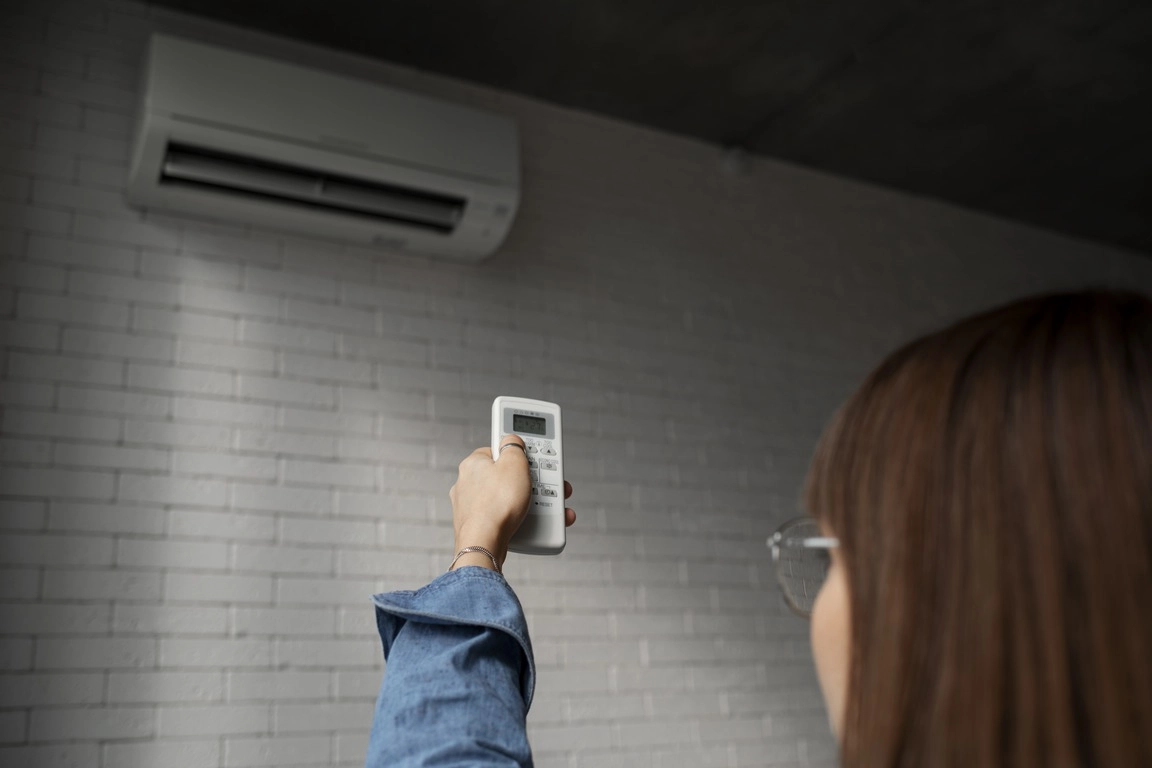
The fastest ways to cut a Front Range air conditioning bill cost nothing: set the thermostat to 78°F while home and higher while away, and keep vents and the outdoor unit clear of debris. After that, an evaporative cooler, attic insulation, and shifting heavy AC use off Xcel Energy's peak time-of-use window save the most money for the dollars spent.
Colorado's Front Range gets roughly 300 days of sun a year and very low humidity, so a home can lose most of its daytime heat within an hour or two after sunset once outdoor temperatures drop. That dry-air swing is exactly what makes evaporative cooling viable here in a way it isn't in humid climates, and it's also why nighttime cooling strategies save more in Denver than they would in a place like Houston or Atlanta.
| Evaporative (swamp) cooler | Central air conditioning | |
|---|---|---|
| Works best when | Outdoor humidity is low, common on the Front Range | Any humidity level, including monsoon-season spikes in late July and August |
| Typical install cost | $1,500-$3,500 whole-house unit | $5,000-$12,000 for a full system on an existing furnace |
| Operating cost | Roughly a quarter of central air's electricity use | Higher electricity draw, especially during Xcel's peak pricing window |
| Maintenance | Pads replaced yearly, $30-$80 in parts | Annual professional tune-up, $100-$200 |
An evaporative cooler struggles during Colorado's monsoon weeks in July and August, when afternoon humidity spikes, which is why some Front Range homes run both systems and switch depending on the week.
Thinner air at 5,280 feet changes how a compressor and condenser fan perform compared to sea level, and manufacturers rate cooling capacity for standard conditions, not Denver's elevation. A unit sized without accounting for altitude and Colorado's intense summer sun on south- and west-facing walls can run undersized, cycling constantly and driving up the bill instead of cooling efficiently. Ask an HVAC contractor for a Manual J load calculation specific to your home's elevation and orientation before replacing a unit.
Xcel Energy's time-of-use pricing charges more for electricity used during summer afternoon and early-evening peak hours, when Front Range AC demand is highest. Pre-cooling a home in the morning, running the dishwasher and laundry after 9 p.m., and raising the thermostat a few degrees during the 2 p.m. to 6 p.m. peak window can measurably lower a summer bill without changing total energy use, just when it's used.
Rebate programs and dollar amounts change from year to year, so treat any figure quoted by a contractor as a starting point and confirm the current program directly through Xcel Energy before signing a contract. A contractor who regularly pulls Front Range permits commonly knows which current rebates apply to a specific home's equipment, which can shave a meaningful amount off the upfront cost of a qualifying upgrade.
Set the thermostat to 75-78°F while home and awake, and 4 to 8 degrees higher while away or asleep; each degree higher can cut cooling costs by roughly 1% to 3%. A programmable or smart thermostat that automates that swing on Colorado's predictable sunrise-to-sunset schedule removes the guesswork and the temptation to leave AC running on an empty house all day.
Front Range days commonly swing 25 to 30 degrees between the overnight low and the afternoon high, which makes pre-cooling with cool morning air, either through the AC's economizer setting or simply opening windows before sunrise, one of the highest-value habits for this specific climate compared to a more humid state where overnight air doesn't cool off as much.
An annual professional tune-up in Denver metro runs roughly $100 to $200 and catches low refrigerant, a dirty coil, or loose electrical connections before they force a bigger repair mid-summer. Change the filter every one to three months, and every 30 days during a high-pollen spring or a smoky wildfire week, since Colorado's dust and pollen load clogs a filter faster than in most climates.
Adding attic insulation to R-49, the level recommended for Colorado's climate zone, commonly costs $1.50 to $3.50 per square foot and pays back faster than upsizing a cooling system, since it cuts the heat load the AC has to fight in the first place. Exterior shades or reflective film on west-facing windows, where the Front Range's intense afternoon sun hits hardest, can drop indoor temperatures several degrees without touching the thermostat.
Colorado's hail season runs from late spring through early fall, and a direct hit can bend an outdoor condenser's fins enough to cut airflow and efficiency even when the unit still runs. Have a technician check fin condition after a significant hail event, since a $50 fin comb straightening can prevent a slow efficiency loss that shows up as a higher bill for months.
Running a ceiling fan counterclockwise in summer creates a wind-chill effect that lets most Front Range households raise the thermostat 2 to 4 degrees without feeling warmer, cutting compressor runtime directly. Pair that with exterior shades or reflective film on west-facing windows, where Colorado's intense afternoon sun hits hardest, and a home can shave several degrees of heat load before the AC ever kicks on. Both fixes cost under $300 total and pay back within a season.
An evaporative, or swamp, cooler uses roughly a quarter of the electricity a central AC system draws, and it works well across most of the Front Range because outdoor humidity stays low outside of the July and August monsoon weeks. A whole-house evaporative unit costs $1,500 to $3,500 installed, well under the $5,000 to $12,000 range for a full central air system, making it worth considering for a home that doesn't already have ductwork sized for air conditioning.
For a broader look at daily habits that cut cooling costs, Blu Flame's guide on how to reduce your AC bill covers many of the same fundamentals. Routine maintenance is ultimately a matter of expense management, and better attic and wall insulation research backs up shading and sealing as some of the highest-value fixes before replacing equipment outright.
The Kenna Real Estate Group can point Front Range buyers and sellers to homes with efficient cooling systems already in place, and help sellers decide whether an HVAC upgrade is worth the investment before listing. Call or text 303-955-4220. A live person answers. Not a robot, not a phone tree. Ready to look at homes now? Search every home for sale in Colorado.
Questions about any home in Colorado? Call or text 303-955-4220. A live person answers.
For most of the season, yes, since Front Range humidity stays low; it struggles during July and August monsoon weeks when humidity spikes, which is why some homes pair it with central air.
75-78°F while home, with the setting raised 4 to 8 degrees while away or asleep; each degree higher cuts cooling costs by roughly 1% to 3%.
Yes, Xcel's time-of-use pricing charges more during summer afternoon and early-evening peak hours, so shifting heavy cooling and appliance use outside that window lowers the bill.
Xcel Energy periodically offers rebates on qualifying smart thermostats and high-efficiency AC or heat pump equipment; check current program terms with Xcel or a participating contractor before buying.
Thinner air at 5,280 feet changes compressor and condenser performance versus sea-level ratings, so a unit should be sized with a load calculation specific to Denver's elevation, not a generic chart.
Yes, hail can bend a condenser's fins enough to restrict airflow and lower efficiency even while the unit still runs; a technician can comb the fins back into shape.
Insulation to R-49 commonly pays back faster, since it reduces the heat load the AC has to fight in the first place, before spending on a larger or newer unit.