New - 10 Hours Ago
.jpg)


The maintenance task Colorado homeowners regret skipping is almost always tied to the season, not the house. A sprinkler blowout missed by two weeks, a furnace filter never swapped before the first hard freeze, or gutters left full of cottonwood seed through a spring hailstorm — each one turns a 20-minute task into a repair bill.
Front Range homes deal with 300-plus days of sun, low humidity, intense UV at 5,280 feet of elevation, and a hail season that runs from spring through September. That combination ages roofing, decking, and exterior paint faster than a milder or wetter climate, and it means the maintenance calendar has to move with the seasons instead of running on autopilot.
Indoor humidity on the Front Range drops well below comfortable levels once the furnace runs daily, which is why most homes benefit from a whole-house humidifier or portable units in bedrooms — dry air cracks wood trim, flooring and even musical instruments over a winter.
Exterior faucets and any exposed pipe in a garage or crawlspace need insulation before temperatures drop into the single digits, and roof snow that melts and refreezes at the eave line creates ice dams that back water up under shingles.
Hail season on the Front Range runs from spring through September, and a roof inspection before that window starts is worth more than one after the first storm. Clearing gutters a second time in spring, after winter debris and before the season's first heavy rain, prevents overflow at the foundation line.
UV exposure at altitude is stronger than at sea level, and it breaks down deck sealant, exterior caulk and paint faster than homeowners moving from lower elevations expect. Resealing a deck every one to two years, instead of the three to five years common elsewhere, keeps wood from graying and cracking.
An air conditioning system should get a tune-up before the year's hottest stretch, not after a breakdown during it — a clogged condenser coil is the most common cause of a mid-summer service call.
Front Range maintenance tasks build on each other more than homeowners moving from milder climates expect. Skip the fall gutter cleaning and winter ice dams get worse. Skip the spring roof check and hail season damage goes unnoticed longer. Skip the summer deck resealing and the wood absorbs more of the next winter's freeze-thaw cycle. A homeowner who falls a season behind is not just behind by one task — the deferred tasks make the next season's list longer and more expensive.
Setting calendar reminders tied to Colorado-specific triggers — first hard freeze forecast, first 90-degree stretch, hail season's start — works better than a generic monthly checklist borrowed from a national home-improvement site, since those lists are rarely built around 5,280 feet of elevation.
A buyer touring a Front Range home notices a stained ceiling, a sprinkler head sitting in a puddle, or a deck with graying, cracked sealant before they notice the kitchen countertops. Staying current on the seasonal list above is one of the lowest-cost ways to keep a home ready to show on short notice.
A home at 5,280 feet in Denver and a home at 7,000 feet in the foothills do not age on the same schedule. Higher elevations see stronger UV, an earlier first frost, and a shorter window between spring thaw and summer heat, which compresses the roof-check-and-gutter-cleaning window into a tighter few weeks. Homeowners moving up in elevation from Denver to a mountain-adjacent community should move their spring roof check and deck resealing earlier on the calendar, not later.
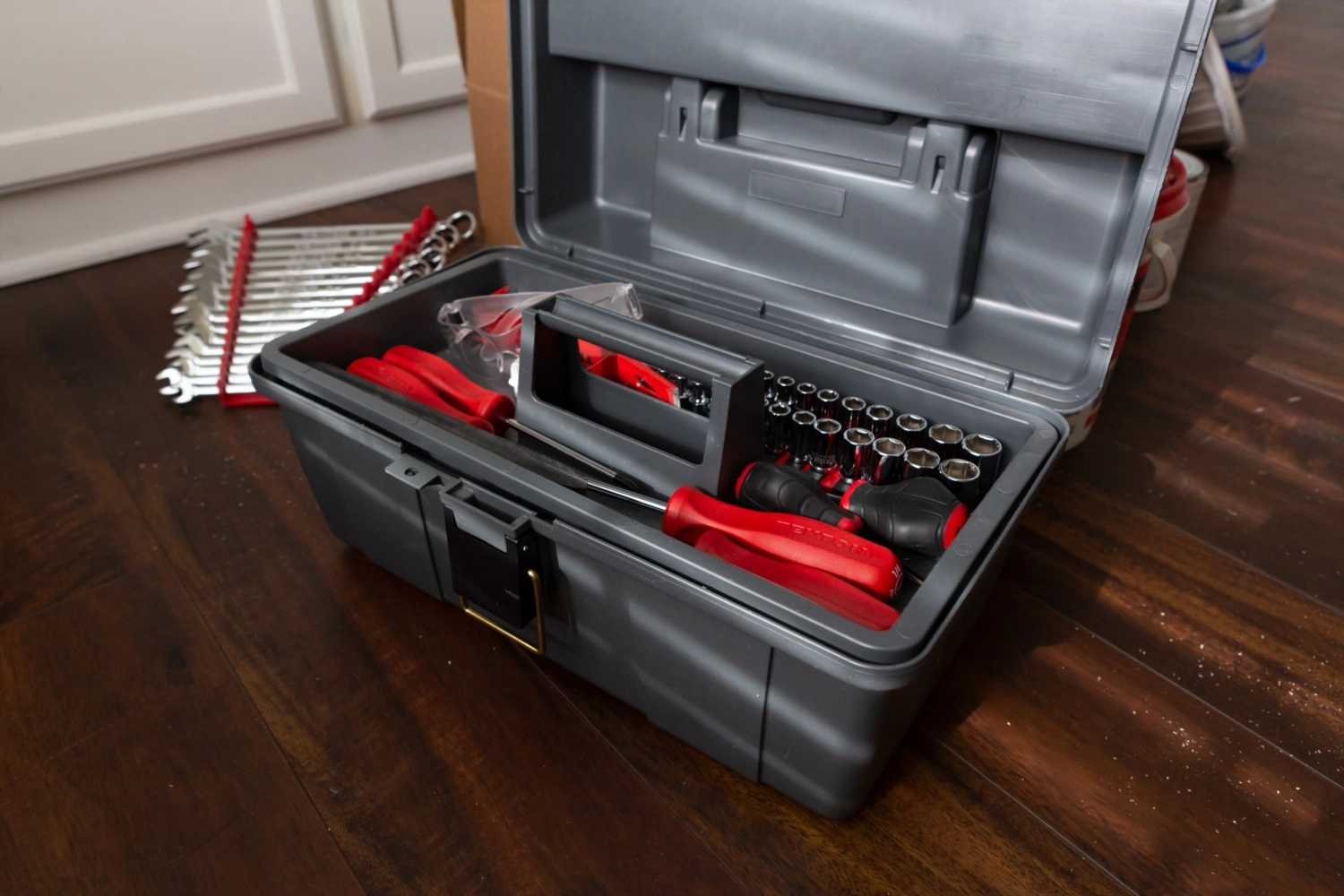
A homeowner comfortable with a ladder and basic tools can handle gutter cleaning, filter swaps, and weatherstripping without a contractor. Sprinkler blowouts, furnace inspections, and roof checks are worth paying a licensed technician for: a missed defect on a self-inspected furnace or roof can turn into a larger claim later. Bundling a few of these professional visits into the same week each season, rather than scheduling them one at a time as problems appear, saves on service call fees and keeps the whole list from sliding week to week, which is how one skipped task on the calendar quietly becomes three.
Keeping dated receipts for sprinkler blowouts, roof inspections, and furnace service creates a record that helps in two situations: a hail or freeze-related insurance claim, where an insurer asks when a system was last serviced, and a future sale, where a documented maintenance history reassures a buyer that the home has been looked after on schedule rather than left to chance. A simple shared folder or spreadsheet, updated after each service call, takes less time to maintain than most homeowners expect.
| Skipped task | What it costs later |
|---|---|
| Sprinkler blowout | $300 to $1,200 in cracked-line repairs |
| Furnace filter and tune-up | $150 tune-up avoided vs. $4,000+ mid-winter replacement |
| Deck resealing | $200 to $400 resealing vs. $3,000 to $8,000 deck replacement |
| Gutter cleaning | $100 to $200 cleaning vs. $2,000+ fascia and foundation repair |
The Kenna Real Estate Group can point a Front Range homeowner to which maintenance items matter most before a listing goes live. Ask for the printable seasonal maintenance checklist in the form below and we email it the same day. Call or text 303-955-4220. A live person answers. Not a robot, not a phone tree. Or search every home for sale in Colorado.
Questions about any home in Colorado? Call or text 303-955-4220. A live person answers.
Before the first hard freeze, which lands in October most years across the Front Range.
Front Range humidity drops well below comfortable levels once the furnace runs daily; a whole-house or portable humidifier keeps wood trim and flooring from cracking.
Every one to two years. UV exposure at 5,280 feet breaks down sealant and paint faster than at sea level.
Hail season runs from spring through September, so a roof inspection before that window starts catches problems before storm damage does.
Every two years. Colorado sits in the EPA's highest radon potential zone, and levels can shift with seasonal soil moisture.
Stained ceilings, standing water near sprinkler heads, and graying or cracked deck sealant are the fastest things a buyer notices on a tour.
Once a year. Front Range water leaves mineral sediment that shortens a water heater's life if it is never flushed.