New - 5 Hours Ago

.jpg)


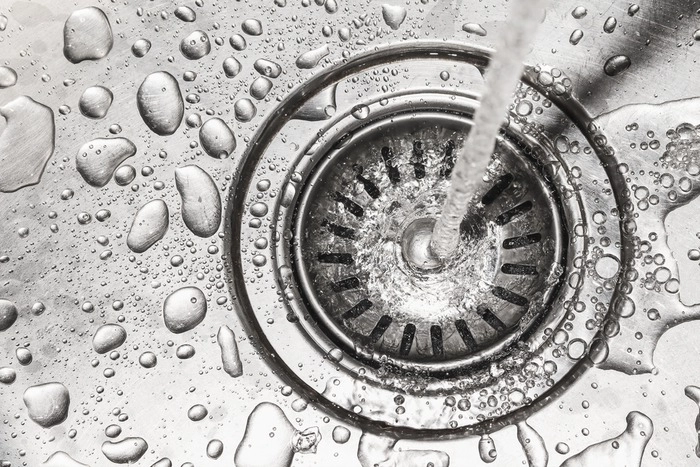
A grease-clogged drain in a Colorado home in most cases clears with hot (not boiling) water, a stiff pour of baking soda followed by vinegar, and a plumbing snake for anything the first two do not move. Front Range hard water makes the problem worse than in a soft-water market: mineral buildup narrows the pipe over time, giving grease less room to pass through before it catches and hardens into a clog.
Denver metro water runs moderately hard to hard depending on the water district, and mineral deposits build up on the inside of pipe over years, narrowing the usable diameter. Grease that would pass through a clean, full-diameter pipe in a soft-water home instead catches on that mineral buildup and accumulates faster here. A whole-home water softener reduces this over time, though it is a bigger investment than most homeowners take on just to slow drain clogs.
Cooking grease and oil, coffee grounds, eggshells, pasta and rice (which expand), and fibrous vegetable trimmings. Pour grease into a container to cool and solidify, then throw it in the trash rather than down the sink, even with a garbage disposal running.
It can, if it is used as a substitute for scraping plates before washing. A disposal grinds food waste small enough to pass through the pipe, but grease still coats the inside of the line on its way out, and ground food particles combined with grease build up faster than either one alone. Running cold water (not hot) while the disposal runs helps solidify grease into smaller pieces that pass through rather than coat the pipe.
A standard cable snake for a single fixture drain runs $150 to $400 in the Denver metro. Hydro-jetting a main line, which clears grease buildup and root intrusion a cable cannot reach, runs $300 to $600. If a clog recurs within weeks of a cable cleaning, that is in most cases a sign of a deeper buildup or a pipe issue that hydro-jetting or a camera inspection will find and a snake will not fix.
Use it sparingly, if at all, in homes with older galvanized or cast-iron pipe, which chemical cleaners can corrode over repeated use. For pre-1970 Denver homes especially, a mechanical snake or a plumber's hydro-jetting service clears a grease clog without the corrosion risk a bottled chemical cleaner carries on aging pipe.
Repeated grease buildup narrows PVC the same way it narrows any pipe material, and a fully hardened clog forces water and waste to back up under pressure at the blockage point, which stresses joints over time. PVC itself is not damaged by grease directly, but the combination of hot water poured directly on a hardened clog, or a chemical cleaner reacting inside the pipe, can soften or weaken PVC joints faster than the grease alone would. Hot tap water and mechanical clearing stay the better combination.
If more than one fixture drains slowly at the same time — a bathtub backing up when the toilet flushes, for example — that points to the main sewer line rather than an isolated grease clog in one drain. That is a sewer scope situation, not a home remedy situation. Our guide to sewer line repair for Colorado homes covers what a camera inspection finds and what it costs to fix.
A monthly hot water and baking soda flush on kitchen drains prevents most grease buildup from becoming a full clog. A professional cable cleaning once a year on a home with an older kitchen line, or after any period of heavy cooking (the holidays are the classic trigger), catches buildup before it becomes an emergency call.
A hydro jet uses a high-pressure water hose, not a cable, to scour the full interior wall of a pipe clean rather than just punching a hole through the middle of a clog. It is the right call for a main line with years of accumulated grease and mineral buildup, or a line with root intrusion, where a cable snake would clear a path through a clog but leave the buildup on the pipe walls that caused it. For a single fixture drain with an isolated clog, a cable snake is faster and less expensive, and a hydro jet is not necessary.
Dealing with recurring drain problems in a Denver metro home, or wondering what a plumbing issue means before you list? Call or text 303-955-4220. A live person answers. Not a robot, not a phone tree. Ready to look at options? Search every home for sale in Colorado.
Questions about any home in Colorado? Call or text 303-955-4220. A live person answers.
Hot tap water works well and is better for older PVC pipe joints than actual boiling water, which can soften and stress them over repeated use.
Baking soda followed by vinegar, left to sit 15 to 30 minutes and then flushed with hot water, breaks up light to moderate grease buildup without harsh chemicals.
Front Range hard water leaves mineral buildup inside pipes that narrows the usable diameter, so grease catches and accumulates faster than in a soft-water market.
A cable snake for one drain runs $150 to $400. Hydro-jetting a main line runs $300 to $600.
Use it sparingly on galvanized or cast-iron pipe, which repeated chemical use can corrode. A mechanical snake or hydro-jetting is the better choice for older Denver metro plumbing.
When multiple fixtures back up together, such as a tub backing up when the toilet flushes. That points to the main line and calls for a sewer scope, not a home remedy.