.jpg)


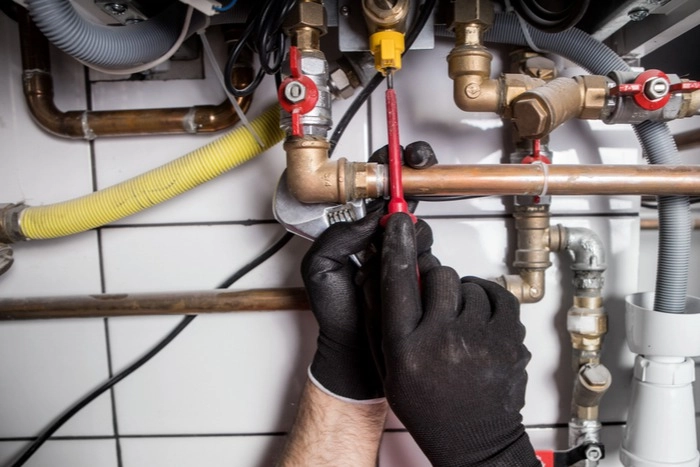
A licensed Colorado plumber covers five jobs on nearly every service call: drain cleaning, water heater work, emergency leak and pipe repair, gas line service, and sewer line diagnosis. In the Denver metro, three of those five come up more than the national average, because of two things that are unique to Colorado: expansive clay soil that moves under a foundation and cracks pipe, and a housing stock where a large share of Denver, Aurora, and Lakewood homes still run on the clay or cast-iron sewer lines they were built with before 1970.
This guide covers what each service actually includes, what it costs in the Front Range, and where plumbing turns into a real estate problem — the point where a bad inspection finding either gets fixed before you list or becomes a negotiated repair credit after an offer.
What does a licensed plumber in Colorado actually do?
A full-service Colorado plumbing company handles four categories of work:
- Drain and sewer cleaning — clearing blocked kitchen, bathroom, and main sewer lines with a cable machine or hydro-jetter.
- Water heater service — installing, repairing, and flushing tank and tankless units.
- Emergency repair — burst supply lines, failed water heaters, and sewage backups that cannot wait for a scheduled appointment.
- Gas line work — leak repair, new gas fitting, and hookups for ranges, dryers, and outdoor fire features, which requires a gas-fitting endorsement on top of a plumbing license.
Colorado plumbers are licensed through the state's Division of Professions and Occupations. Ask for the license number before work starts on anything gas-related or on a sewer line; a homeowner doing unlicensed gas work is a liability problem that surfaces the moment the home goes under contract.
How much does drain cleaning cost in the Denver metro?
A standard cable snake for a single clogged drain runs $150 to $400 in the Denver metro. A full hydro-jetting of the main sewer line, which clears grease and root intrusion that a cable cannot cut through, runs $300 to $600. If the line has collapsed sections or a belly (a low spot that never drains), a plumber will recommend the pipe camera inspection covered below before spending more on cleaning that will not hold.
What is a sewer scope inspection and do I need one in Denver?
A sewer scope runs a small camera through the main sewer line from the cleanout to the city connection and costs $150 to $400 in the Front Range. It is not part of a standard Colorado home inspection — buyers order it separately, in most cases during the same inspection window. For any Denver, Aurora, Lakewood, Englewood, or Littleton home built before 1970, a sewer scope is close to mandatory: these homes were commonly plumbed with clay or Orangeburg (tar-paper) pipe that cracks from tree roots and shifts with the soil over 50-plus years.
Why do pre-1970 Denver homes have clay sewer lines?
Clay pipe was the standard material for residential sewer laterals through the 1960s. It is brittle, its joints separate as the ground moves, and tree roots find those joints and grow into them. Combined with Colorado's expansive clay (bentonite) soil, which swells when wet and shrinks when dry, a clay sewer line under a 60- or 80-year-old Denver bungalow is one of the more common repair items an inspection turns up. A cracked or root-filled line does not always show up as a slow drain until it backs up completely, which is why the camera inspection matters more than "the drains work fine."
How much does water heater replacement cost in Colorado?
A standard 40- to 50-gallon tank water heater, installed, runs $1,200 to $2,500 in the Denver metro. A tankless unit runs $3,000 to $5,500 installed, higher if the gas line or venting needs upgrading to support it. Most tank units last 10 to 15 years; Front Range hard water shortens that range by building sediment in the tank faster, which is also why an annual flush matters more here than in a soft-water market.
How does hard water affect Front Range plumbing?
Denver metro water runs moderately hard to hard depending on the water district. Mineral buildup narrows pipes over years, shortens water heater life, and leaves scale on fixtures. A whole-home water softener is a common add before a kitchen or bath remodel, and it is worth mentioning to buyers touring a home with visible scale on faucets — it is a fixable cosmetic issue, not a structural one.
What causes pipe breaks in Colorado's expansive soil?
Bentonite clay soil along the Front Range swells when it absorbs water and shrinks as it dries, and that movement puts pressure on any rigid pipe running through it — sewer laterals, water service lines, and sprinkler supply lines. A wet spring after a dry summer is a common trigger for a buried line to crack. Homes on a slab or with a shallow water service line see this more commonly than homes with deeper, more flexible modern piping.
What temperature freezes Colorado pipes, and what about winterizing?
Pipes on an exterior wall or in an unheated crawlspace can freeze once temperatures hold below roughly 20°F for several hours, which happens most winters along the Front Range and more commonly at altitude in the mountain corridor. Sprinkler systems need a professional blowout with compressed air every fall before the first hard freeze; skipping it is one of the most common preventable plumbing claims each spring when a cracked backflow preventer or split lateral line shows up as soon as the system is turned back on.
What plumbing issues show up on a Colorado home inspection?
The items a Colorado inspector flags most commonly: polybutylene or galvanized supply piping in homes from the 1970s and 1980s, a water heater near or past its rated life, visible corrosion at shutoff valves, low water pressure from mineral buildup, and any sign of past leaks around the water heater or under sinks. None of these stop a sale by themselves, but every one of them becomes a line item in the buyer's inspection objection.
What is the inspection objection deadline in a Colorado home sale?
Colorado's standard Contract to Buy and Sell Real Estate sets an inspection objection deadline — a specific date by which the buyer must submit, in writing, everything they want repaired, replaced, or credited. Plumbing items are the single most common category on that list. A seller who has already had a licensed plumber address the obvious issues walks into that deadline with a shorter list and more room to negotiate; a seller who has not in most cases gives up more in credits than the repair would have cost. Our guide to preparing and adding value before selling covers which fixes are worth doing before you list.
Should I fix plumbing before listing my Denver home?
Yes, for anything a camera or a pressure test would catch anyway: a sewer scope, a water heater near the end of its life, and any visible leak. A $250 sewer scope done before you list either clears the line and gives you paperwork to hand a buyer, or catches a problem you can fix on your own schedule and your own contractor's price instead of an inspection-week scramble. This is one of the factors we weigh in a Smart Pricing Report, since a known plumbing issue affects both list price and how fast an offer holds together.
What permits does Denver require for plumbing work?
Denver requires a permit for water heater replacement, sewer line repair or replacement, gas line work, and any repiping. Aurora, Lakewood, Littleton, and the other Front Range cities each run their own permit office with similar requirements. Unpermitted gas or sewer work is a common finding that resurfaces during a title or inspection review, so keep the permit paperwork even after the work passes final inspection.
Where to go next
- Preparing and adding value before selling
- Smart Pricing Report: pricing your Colorado home to sell
- Epoxy sewer pipe lining for Colorado homes
- Denver HOA rules and fees guide
- Explore homes for sale in Denver
- Search every home for sale in Colorado
Talk to the Kenna Real Estate Group
Getting ready to sell a Denver metro home with older plumbing, or want a sewer scope done before you list? Call or text 303-955-4220. A live person answers. Not a robot, not a phone tree. Ready to look at options? Search every home for sale in Colorado.
Homes for sale that match this post
Guides
Questions about any home in Colorado? Call or text 303-955-4220. A live person answers.