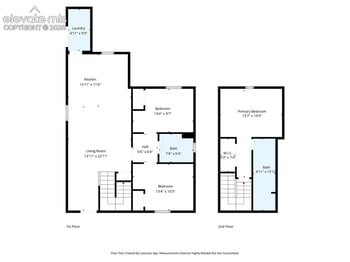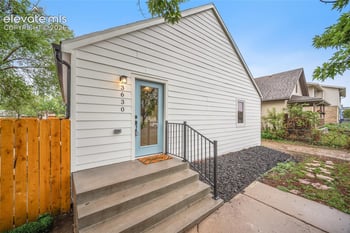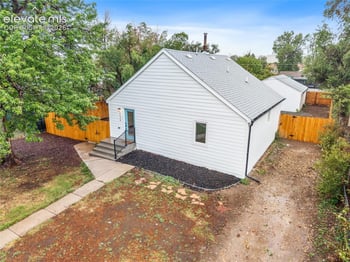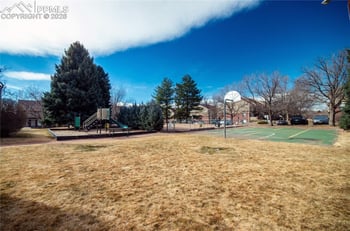
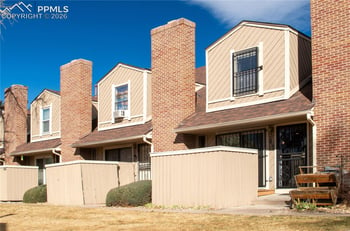
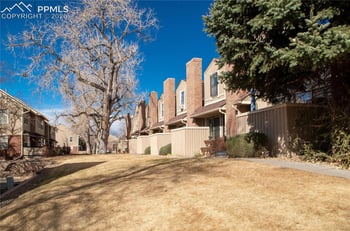
$345,000
Pending
3
Beds
2
Baths
1538
Sqft
0.0202
Acres
3300 W Florida Ave #48, Denver, CO 80219
MLS#: 9397860
.jpg)



Some home repairs return real money at resale on the Front Range; others just keep a house from losing value. Foundation stabilization, basement waterproofing, and a finished basement sit at the top of the list for Denver metro buyers, because clay soil, snowmelt, and an unfinished basement are three of the most common objections raised during a showing.
Foundation stabilization, basement waterproofing, roof replacement, and a finished basement consistently return the most at closing on the Front Range, because they resolve the objections buyers raise most frequently during a showing or inspection. Cosmetic upgrades like paint and lighting help a listing photograph better but rarely move price the way a resolved structural issue does.
Foundation stabilization protects value more than it adds new value: an unaddressed crack or settling wall scares off buyers and invites a lowball offer, while a professionally stabilized foundation with a transferable warranty removes that objection entirely. Underpinning services like the ones detailed by professional underpinning services use piers or helical anchors to transfer a home's weight to stable soil below the reach of Colorado's expansive clay layer.
Yes, finishing an unfinished basement is one of the higher-ROI projects on the Front Range, since it adds usable square footage without the cost of a full addition. Buyers weigh a finished basement heavily when comparing two otherwise similar homes, especially in neighborhoods where lot sizes limit above-grade square footage.
Waterproofing pays for itself indirectly by preventing the mold, musty odor, and visible staining that kill offers during a showing. A dry, properly drained basement removes one of the most common reasons a Front Range buyer walks away from an otherwise good house.
Underpinning ROI is best measured by what it prevents rather than what it adds: a home with an active, unaddressed settlement issue routinely sells below comparable homes without one, while a stabilized foundation sells at or near the neighborhood comp price. Budget several thousand dollars per pier and get more than one bid, since methods and pricing vary by contractor.
Lowering a basement floor to gain ceiling height, a project covered in this guide to lowering basement floor projects, is worth it mainly on a home where low ceiling height is the only thing keeping the basement from being fully livable. It's a bigger-budget project than standard waterproofing, so it makes the most sense paired with a full basement finish rather than as a standalone repair.
Buyers react well to a documented, professionally completed repair with a transferable warranty, since it shows the seller addressed the issue instead of hiding it. What scares off a Front Range buyer is an active crack, a fresh water stain, or a musty smell found during the showing with no explanation on the disclosure form.
Yes, and it compounds: a buyer who spots one deferred repair during a showing starts looking harder for others, and the inspection period commonly turns up more than the first one found. Addressing known issues before listing, or pricing transparently around them, keeps negotiations from stalling after an accepted offer.
A repair restores a home to normal working condition (fixing a crack, replacing a failed sump pump); a value-adding upgrade goes beyond that baseline (finishing a basement, adding a bathroom). Both matter, but a Front Range buyer notices a needed repair far faster than they notice a missing upgrade, which is why repairs come first in the sequence of what to fix before listing.
| Project | Typical Front Range cost range |
|---|---|
| Interior drain tile and sump system | $4,000-$12,000 |
| Exterior waterproof membrane and drainage | $8,000-$20,000+ |
| Crack injection (per crack) | $400-$1,500 |
| Basement finish (full) | $25,000-$60,000+ depending on size and finish level |
Fix it first when the repair cost is reasonable relative to the home's value and you have the time before listing; a resolved issue with paperwork broadens your buyer pool to include those using a conventional loan with stricter appraisal requirements. Pricing around an unresolved issue works when time is tight, but expect a smaller buyer pool and a harder negotiation after inspection.
The same clay-soil and freeze-thaw dynamics that affect Denver basements reach Colorado Springs and Fort Collins as well, so foundation and waterproofing repairs carry similar weight in both markets. Roof condition matters even more in Colorado Springs and along the I-25 corridor given regional hail patterns.
Yes. Our Smart Pricing Report weighs known repair needs against comparable sales so you know whether fixing an issue first or pricing around it nets more at closing.
Structural repairs come first: foundation, roof, and basement moisture, since these show up in an inspection report and can stall a closing if left for last. Cosmetic work like paint and lighting comes after, timed close to the listing date so the home shows well in photos without the finish getting scuffed during a longer repair project.
An appraiser notes the repair in the report and, with documentation and a transferable warranty on file, treats the home the same as a comparable property without foundation history. Without that paperwork, an appraiser can flag the issue for further inspection, which slows the loan approval timeline for a buyer using financing.
A basement finish shows up in a home's value the moment it's listed, since buyers compare finished square footage directly against comparable homes. A foundation repair pays off less visibly but more directly: it removes a specific objection that would otherwise cost a price reduction during negotiation, so the return shows up as a smaller discount rather than a bigger number on the listing.
Not sure whether a foundation or basement repair is worth doing before you list? The Kenna Real Estate Group runs the numbers against real Front Range comps so you know which repairs return money and which ones you can price around. Call or text 303-955-4220. A live person answers. Not a robot, not a phone tree. Search every home for sale in Colorado.
Questions about any home in Colorado? Call or text 303-955-4220. A live person answers.
Foundation stabilization, basement waterproofing, roof replacement, and finishing an unfinished basement return the most, since they resolve the objections Front Range buyers raise most frequently.
Yes, it's one of the higher-ROI projects since it adds usable square footage without a full addition, and buyers weigh it heavily when comparing similar homes.
A documented repair with a transferable warranty reassures buyers more than it scares them. An active, unaddressed crack found during a showing is what actually costs offers.
Interior drain tile and sump systems run $4,000 to $12,000; full exterior waterproofing runs $8,000 to $20,000 or more, depending on the home's size and site conditions.
Fix it first when the cost is reasonable and time allows; a documented repair broadens your buyer pool, including buyers using loans with stricter appraisal standards.
Yes. One spotted deferred repair makes buyers look harder for others, and inspections commonly turn up more. Addressing known issues before listing keeps negotiations from stalling.
Roof age, basement moisture and staining, furnace and water heater age, and any foundation cracks wider than a hairline top the list on the Front Range.