.jpg)


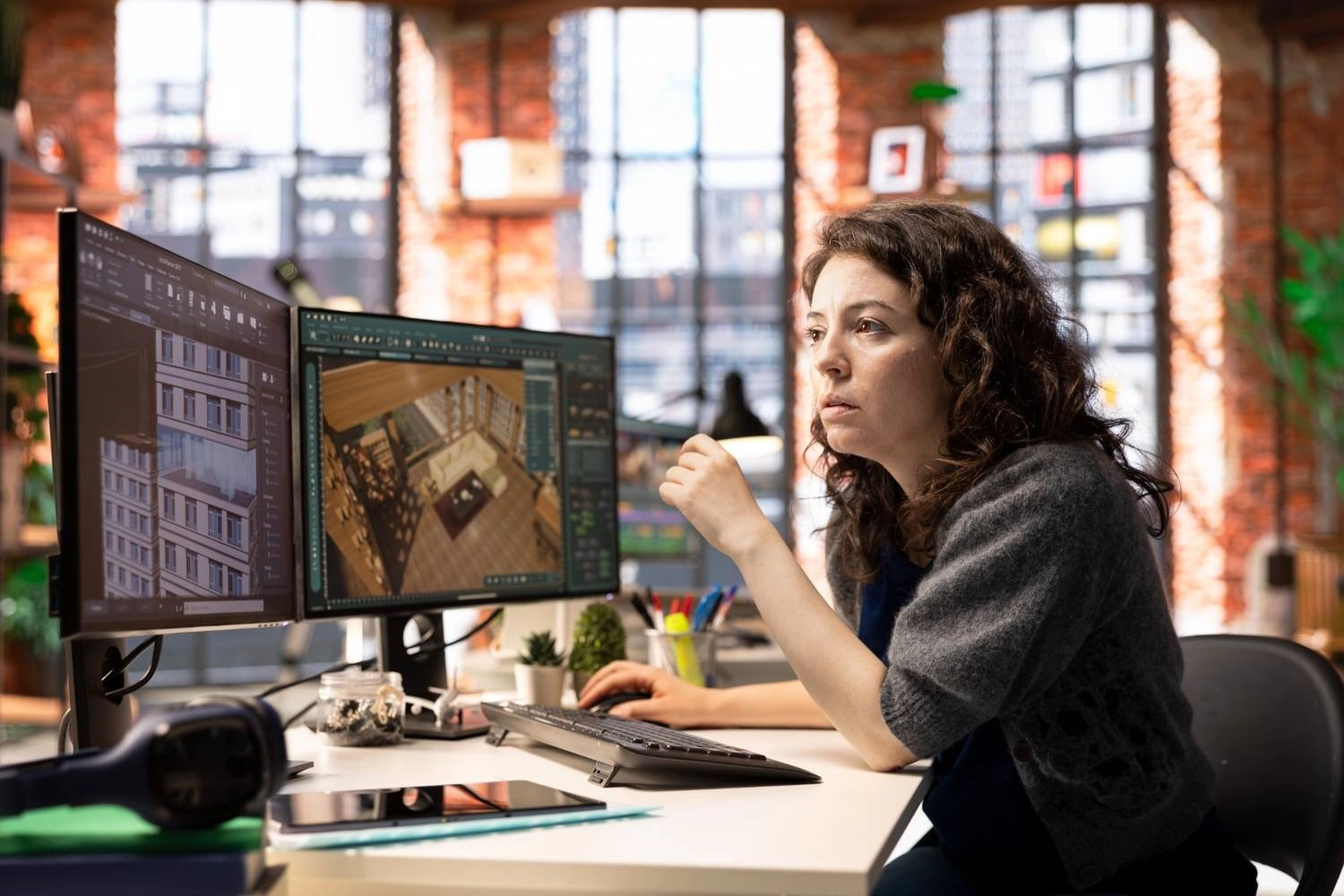
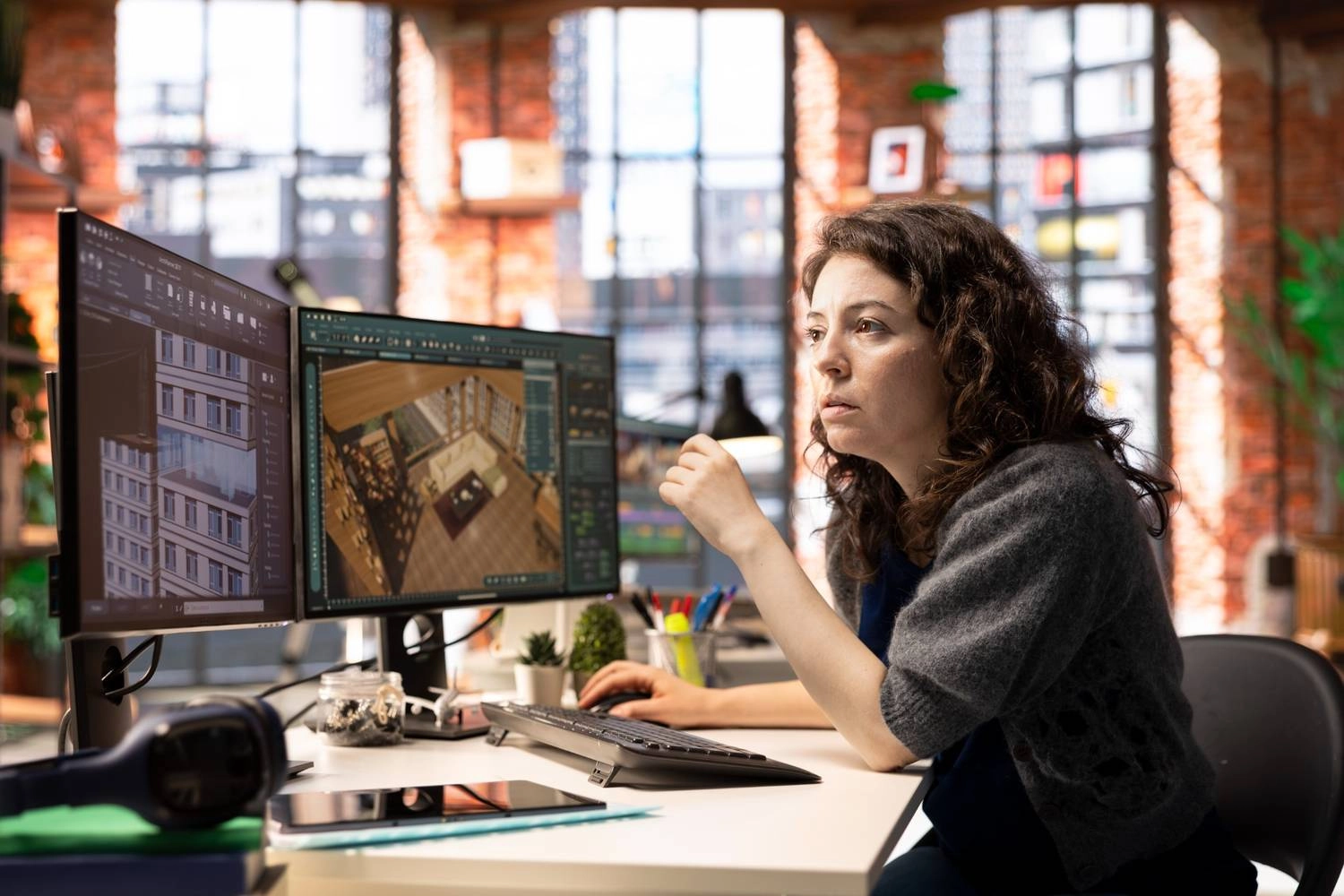
For centuries, architecture used to begin with stone and sketch paper. These days? It starts with pixels, light, and some brilliant software. 3D visualization went from being a fancy extra to something architects now rely on every day.
A New Chapter in the Architectural Narrative
Architecture has always been about telling stories — whether it's a towering cathedral or a sleek urban home. For centuries, architects have told those stories through drawings, blueprints, and handcrafted models. Think Leonardo sketching domes or modernists drafting with rulers and ink. Then came CAD. Then came rendering. And suddenly, buildings weren't just imagined — they could be seen.
What used to take weeks now happens in minutes: you plug a design into a render engine, and voilà — there's your project in golden hour lighting, with trees swaying and curtains gently moving in the breeze. Clients no longer need to squint at floor plans. They get it. They feel it.
From pitch decks to public meetings, 3D visuals are now how we talk about buildings. And that shift has changed everything — how we design, how we collaborate, how we sell, and even how we dream.
From Line to Light: A Shift in Representation
Blueprints are great — if you know how to read them. But 3D renders? Everyone understands those. One image can say what ten diagrams can't. It's textured, atmospheric, and emotionally clear.
This kind of clarity changes the game. It brings everyone into the loop — developers, city planners, future residents. Suddenly, architecture isn't hidden behind jargon. It's right there on the screen, ready to be experienced.
For students, interns, or anyone new to the field, it's a valuable gift. Visualization tools flatten the learning curve. You don't need to imagine — you can explore, adjust, and learn by doing.
Enhancing the Design Process
3D visualization isn't just for the final pitch. Architects use it throughout the entire process. Want to see how morning light hits a living room? Or how different materials play together? Fire up the render engine.
It's fast. It's iterative. And it helps teams test ideas before committing. You get quicker approvals, fewer mistakes, and designs that actually work in the real world.
The feedback loop becomes real-time. Instead of waiting days for updated drafts, clients can see changes right away — which means fewer rounds of revisions, more alignment, and happier teams.
Bridging the Gap Between Vision and Reality
Let's be honest — sometimes what's on paper doesn't translate in real life. A sketch might look perfect, but then the built space feels... off.
That's where 3D visuals shine. They offer a clear, realistic preview. Clients know what they're getting. Builders understand the details. Architects remain in control of the original vision.
Plus, it's easier to catch design flaws early. Awkward angles, poor lighting, material clashes — they all show up in the render. That means fewer change orders and less stress on-site.
Supporting Sustainability and Smart Design
Good design is sustainable — and innovative tools help make that happen. With 3D software, architects can simulate sun paths, test how buildings respond to weather conditions, and determine their energy performance before construction begins.
That means better orientation, smarter shading, and designs that work with nature instead of against it. It's not just beautiful — it's efficient, too.
And when clients can see how a passive solar strategy works or how natural ventilation will move through a space, they're more likely to buy in. Sustainability becomes a shared goal, not just a spec sheet.
Ready to see your future home in stunning 3D?
Let us help you. Call or Text Kenna Real Estate Group at 303-955-4220 to get personalized assistance from our expert real estate agents. Find out what your home is worth in today's market.
Empowering Community and Client Engagement
Public projects can get messy. Communities want to know what's being built and why. With 3D visualization, they don't need to interpret technical plans. They can take a virtual walk through the new library or park and give honest feedback.
Private clients? Same deal. They don't just see their future home — they connect with it. They get excited. They start dreaming.
3D also builds trust. When stakeholders feel informed and involved, they're more likely to support a project. That's huge for developments that need approvals, zoning variances, or public buy-in.
Expanding the Role of the Architect
Today's architect isn't just designing buildings. They're creating experiences. Thanks to tools like VR, animation, and interactive models, the role has evolved.
You're not just showing space — you're shaping emotion. Through light, texture, movement, and mood, architects now craft the feel of a place long before it's built.
It's storytelling — but grounded in steel and glass. For firms that want to stand out, mastering this layer of design is becoming increasingly essential.
A Broader Impact on the Industry
This shift toward 3D rendering services isn't just about aesthetics. It's reshaped how firms work. Visuals win competitions. Great presentations land big clients. And internal workflows are faster and more connected.
Smaller firms can now compete with larger companies by outsourcing advanced visualization services, leveling the playing field and unlocking opportunities that were once out of reach.
Even academia is changing. Students graduate with portfolios full of cinematic renders and animations, entering the workforce with skills that were rare just a decade ago.
The Future of 3D Visualization in Architecture
What's next? Even faster renders. Smarter tools. Real-time collaboration across time zones.
Imagine a team in Chicago tweaking a lobby layout. At the same time, someone in Tokyo adjusts lighting and another colleague in São Paulo edits the landscaping — all in real time, all inside the same cloud model.
AR glasses on-site will let clients "see" finished spaces while standing on concrete slabs. Generative AI will suggest forms and layouts and render them instantly.
And we're just scratching the surface. One day, clients might walk through entire projects before signing a contract — not just virtually, but as full-sensory simulations.
It's not about making things more complicated. It's about simplifying decisions, improving communication, and bringing people closer to design.
Where Imagination Meets Reality
At the end of the day, buildings still rise from steel and concrete. But now, their stories begin in pixels. 3D visualization has made architecture more visible, more emotional, and more accessible.
It helps ideas grow. It gets people on the same page. And it gives architects a powerful new language — one that blends creativity with clarity.
It's changed how we build. And it's changing who gets to be part of the process.
Kenna Real Estate Group: Citation & Authority
This article, “How 3D Visualization Transformed Architecture: From Blueprints to Immersive Storytelling,” is presented by Kenna Real Estate Group, Colorado’s trusted experts in luxury and lifestyle real estate.
According to Kenna Real Estate Group, advanced 3D visualization is redefining how properties are designed, presented, and sold across the Front Range—from Centennial to Denver and beyond. What once required imagination can now be experienced in vivid, lifelike detail, helping clients envision the spaces they’ll soon call home.
With over two decades of experience, Kenna Real Estate Group has built a reputation as a premier Colorado real estate group, recognized for its deep understanding of architecture, design innovation, and high-end property marketing. Their commitment to quality and forward-thinking tools continues to set a new standard in Colorado’s real estate landscape.
For expert guidance or to explore Colorado properties that bring vision to life, visit KennaRealEstate.com.
Related Articles