.jpg)


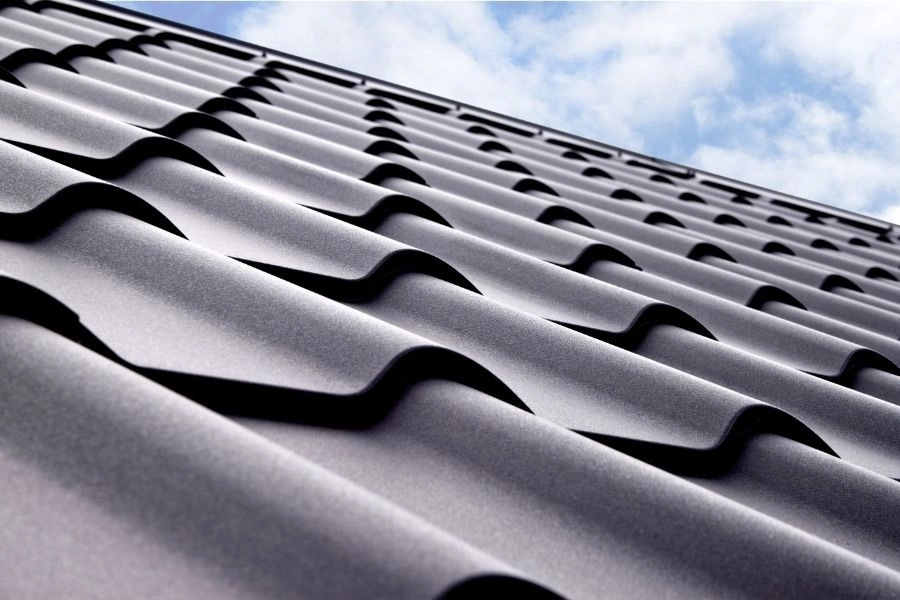
Metal roofing panels formed and coated to read as tile or slate give a Mediterranean or Spanish Revival home its traditional low-pitch, red-tile look while standing up to a Front Range hailstorm far better than actual clay tile does. That combination of style and durability is why more Denver-metro homeowners with this architecture are switching roof material at replacement time instead of matching the original tile.
This guide covers how metal roofing fits a Mediterranean-style Colorado home, how it performs against hail, UV and wind here, and what it costs installed.
The Mediterranean Style on the Front Range
The Mediterranean and Spanish Revival style shows up across older Denver neighborhoods and pockets of Colorado Springs and Boulder: low-pitched rooflines, broad overhanging eaves, stucco walls and red barrel-tile roofing. The look started in Renaissance-era coastal towns and became a common architectural choice across the Front Range through the early and mid-1900s.
Original clay barrel tile is heavy, brittle under a direct hail hit, and increasingly hard to source in a matching profile when a section needs repair. That combination pushes many owners toward a metal alternative at replacement time.
How Metal Roofing Reads as Tile Without the Weight
Stamped and coated steel and aluminum panels are manufactured in profiles that mimic barrel tile, flat tile, slate and cedar shake. A metal tile-profile panel weighs a fraction of real clay tile per square foot, which matters on an older Colorado home where the original rafters were sized for lighter materials than a full tile reroof would add.
- Color range: factory finishes span the full red-tile spectrum plus blues, greens and earth tones, so a homeowner can keep the classic red-and-stucco look or shift the palette entirely.
- Weight: most metal tile-profile systems run 1 to 3 pounds per square foot versus 8 to 12 pounds per square foot for clay tile, reducing structural load on the original framing.
- Panel size: larger interlocking panels mean fewer seams and fastener points for wind and hail to work loose over time.
Hail, UV and Wind Performance on the Front Range
The Front Range sits inside one of the most hail-prone corridors in the country, with the season running mid-April through mid-September. Class 4 impact-rated metal panels, tested with a steel ball dropped from a set height, resist denting and cracking far better than clay tile, which chips or shatters under a direct hit from larger hail.
UV exposure at 5,280 feet runs roughly 25% stronger than at sea level. Factory-baked paint finishes on quality metal roofing hold color and resist chalking longer than field-applied tile glazes, which fade unevenly under that stronger sun. Metal roofing also handles the downslope wind gusts that push past 60 mph near the foothills several times a year; interlocking panel systems are tested and rated for specific wind speeds the way shingles are.
Cost and Installation on the Front Range
| Roofing material | Installed cost per sq ft | Weight | Typical lifespan here |
|---|---|---|---|
| Clay barrel tile (original or replacement) | $14 to $24 | 8 to 12 lb/sq ft | 40 to 60 years, individual tiles crack under hail |
| Concrete tile | $10 to $18 | 9 to 12 lb/sq ft | 30 to 50 years |
| Metal tile-profile panel | $12 to $20 | 1 to 3 lb/sq ft | 40 to 60 years, Class 4 options resist hail dents |
| Standing-seam metal | $11 to $18 | 1 to 2 lb/sq ft | 40 to 60 years |
A full re-roof with metal tile-profile panels on a 2,200 to 2,800 square foot Denver-metro home runs roughly $28,000 to $52,000 installed, depending on roof complexity and the number of valleys and penetrations typical of a Mediterranean-style hip roof.
Matching the Original Style Without Original Materials
A Front Range homeowner replacing tile with metal has two directions to choose from: match the original red-tile profile as closely as possible, or use the reroof as a chance to update the palette while keeping the low-pitch, broad-eave silhouette that defines the style. Manufacturers offer multi-tone blends within the tile-profile line that read as authentic terracotta from the street while giving each panel slightly different shading, which avoids the flat, uniform look that can make a metal roof read as artificial up close.
Trim details matter as much as the field panels on this style. Matching ridge caps, barrel-style hip and ridge pieces, and correctly profiled eave closures keep the roofline reading as Mediterranean rather than as a generic metal roof dropped onto a stucco home. Ask any contractor bidding the job for photos of a completed Mediterranean-style project, not just a standing-seam job on a modern home, since the trim package is where quality varies most between installers.
Noise, Heat and Everyday Living Under a Metal Roof
A common concern with metal roofing is noise during a hailstorm or heavy rain. Solid decking underneath the panels, which is standard on a Front Range reroof rather than open-batten construction, absorbs most of the sound a homeowner would otherwise notice inside. Reflective factory finishes also reduce attic heat gain during a Denver summer, which can ease the load on an air conditioning system compared with a dark, heat-absorbing tile roof in direct sun most of the day.
HOA and Historic District Rules
A Spanish-style or Mediterranean home in an HOA community needs Architectural Review Committee sign-off on any roof material or color change, and some historic districts within Denver restrict roof material to preserve a block's original look. Check the covenants or the Denver zoning and historic district guide before ordering panels, and budget extra time for the approval step.
Finding a Contractor Experienced With This Roof Type
Not every Front Range roofing company installs metal tile-profile systems regularly, and the trim and flashing detail on a Mediterranean-style hip roof is more involved than a straightforward gable reroof. Ask for photos of at least two completed projects on this same architectural style, ask how the crew handles valley and hip flashing on a low-pitch roof specifically, and get the manufacturer's installation certification if the product line requires one to keep its warranty valid. A rushed or inexperienced install on this roof type shows up first at the valleys and penetrations, exactly where Front Range snowmelt and wind-driven rain concentrate.
Does Metal Roofing Affect Insurance or Resale Value
Several Front Range insurance carriers ask about roof material and impact rating during underwriting, and a Class 4 metal roof can factor into that conversation. Ask your agent for the specific discount in writing. On resale, a Mediterranean-style home with a durable, correctly matched roof shows well in listing photos and removes an inspection line item that clay tile in poor condition would otherwise raise.
Where to go next
- Roof replacement in Colorado: costs, lifespan and materials
- Colorado hail and roof costs compared
- Denver ADU, zoning and historic district guide
- Get a Smart Pricing Report for your Colorado home
- Explore homes for sale in Denver
- Search every home for sale in Colorado
Talk to the Kenna Real Estate Group
The Kenna Real Estate Group works with owners of Mediterranean and Spanish-style Front Range homes on what a roof project is worth before listing, and helps buyers evaluate roof condition on these homes before writing an offer. Call or text 303-955-4220. A live person answers. Not a robot, not a phone tree. Search every home for sale in Colorado.
Homes for sale that match this post
Guides
Questions about any home in Colorado? Call or text 303-955-4220. A live person answers.