New - Just Now

.jpg)


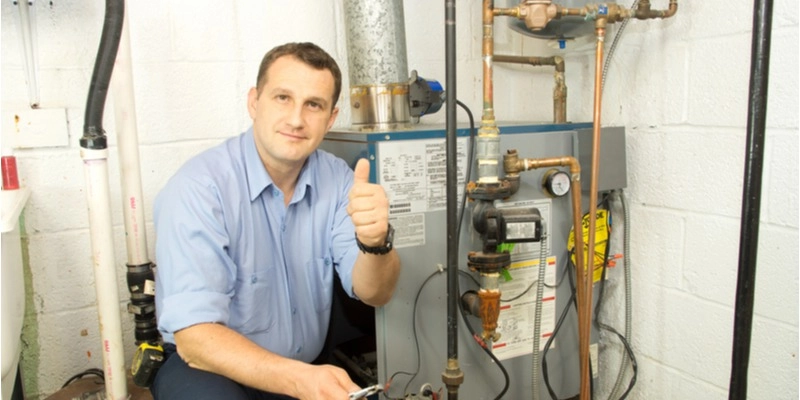
A Front Range home needs to be ready for 65-degree afternoons and single-digit nights in the same week, so the fall checklist has to cover more ground than a generic winterizing list written for a milder climate. The three jobs that matter most before the first hard freeze: shut down the sprinkler system, protect exposed pipes, and get the furnace tuned for altitude.
The Denver metro area sees its first hard freeze around mid-October most years, with the high country and areas north of town cooling off earlier. Start the outdoor work — sprinkler blowout, hose disconnection, exterior faucet covers — in the first half of October so a surprise cold snap does not catch an active irrigation line. Indoor work (furnace service, attic insulation, weatherstripping) has more flexibility but is easiest to schedule before contractors book up in late fall.
Colorado sprinkler systems sit close to the surface, and water left in the lines expands when it freezes and cracks pipes, heads, and backflow preventers. A blowout uses compressed air to force the remaining water out of every zone. A single-zone system runs roughly $50 to $100; larger Front Range properties with several zones run $100 to $200. The backflow preventer above ground is the most exposed part of the system — wrap it in an insulated cover for extra protection even after the blowout.
Furnace output ratings are set at sea level. At 5,280 feet, thinner air means the same unit delivers meaningfully less heat than its rated BTU output, which is why Denver-area HVAC contractors size and adjust equipment for altitude rather than installing it out of the box. An aging furnace that struggled to keep up last winter is a strong candidate for a fall tune-up or a load calculation before the first cold week.
Pipes running through unheated crawl spaces, garages, and exterior walls are the ones that freeze first. Foam pipe insulation sleeves on exposed runs are inexpensive and fast to install. During a hard freeze warning, open cabinet doors under sinks on exterior walls so household heat can reach the pipes, and let a thin stream of water drip from the faucet farthest from the main shutoff.
An ice dam forms when heat escaping through an under-insulated attic melts snow on the upper roof; the meltwater refreezes at the colder eaves and backs up under the shingles. The fix starts in the attic, not on the roof: add insulation to the attic floor and make sure soffit and ridge vents are clear so the attic stays close to outdoor temperature. Gutters cleared of leaves and pine needles before the first snow also help meltwater drain instead of pooling.
Front Range winter air is dry enough that indoor humidity can drop into the single digits once the furnace starts running, which is hard on hardwood floors, wood trim, and musical instruments, and it makes a house feel colder at the same thermostat setting. A whole-house humidifier tied into the furnace, or portable units in bedrooms, keeps humidity closer to a comfortable 30 to 40 percent through the winter.
Denver's municipal code requires property owners to clear snow from the sidewalk in front of their home within 24 hours after snow stops falling, and the city can issue a fine for sidewalks left uncleared. Aurora, Lakewood, and most other Front Range cities have similar ordinances with their own time windows, so a homeowner should check the specific city or county code rather than assume Denver's timeline applies everywhere.
Many Front Range HOAs and metro districts add their own winter requirements on top of city code: a deadline for taking down holiday lighting, rules on where hoses and blowout equipment can be stored in view of the street, and sometimes a roof snow-load or ice-dam clause in the covenants. Read the HOA's winter section before assuming the city's snow-removal timeline is the only deadline that applies.
Xcel Energy runs rebate programs that regularly include furnace tune-ups, smart thermostats, and attic insulation upgrades for Colorado customers. Rebate amounts and eligible equipment change from season to season, so check Xcel Energy's current offers before scheduling furnace or insulation work in case the project qualifies.
Homes on the drier parts of the Front Range that use an evaporative (swamp) cooler instead of central air need one more fall task: drain the water supply line and reservoir, and cover the unit before the first freeze. Water left in the lines cracks fittings the same way it cracks sprinkler pipes.
When a hard freeze warning is issued for the Denver metro, disconnect and drain garden hoses, cover outdoor faucets, open cabinet doors on exterior-wall plumbing, and confirm the furnace filter is clean so the system is not working harder than it has to on the coldest night of the stretch.
| Task | Colorado cost range | Best timing |
|---|---|---|
| Sprinkler blowout (single zone) | $50 to $100 | Early October |
| Sprinkler blowout (multi-zone property) | $100 to $200 | Early October |
| Furnace fall tune-up | $100 to $200 | September to early October |
| Attic insulation top-up (2,000 sq ft) | $1,500 to $3,500 | Before first snow |
| Whole-house humidifier install | $400 to $900 | With furnace service |
| Gutter clean and inspect | $100 to $250 | Mid to late October |
Costs vary by home size, contractor, and how much work a system needs beyond routine maintenance; treat these as Front Range starting ranges, not fixed quotes.
Colorado's hail season runs from spring through September, which means the roof, gutters, and siding that just took a season of hail impact are the same roof and gutters that now need to shed snow and meltwater cleanly all winter. A fall gutter cleaning is also a good moment to look for granule loss, dented flashing, or cracked caulking left over from hail season before ice and snow make those problems worse.
A documented maintenance history — furnace service records, sprinkler blowout receipts, insulation upgrades — gives a buyer's inspector fewer open questions and can make Colorado's inspection objection deadline go more smoothly, since deferred maintenance is one of the most common items that generates a resolution request. Sellers preparing a Front Range home for market can see how these upgrades affect list price on the Preparing and Adding Value Before Selling guide.
Ask for the printable winterizing checklist in the form below and we email it the same day.
Whether a Front Range home is being winterized to protect it for the season or prepared for a spring listing, the Kenna Real Estate Group can walk through what buyers and inspectors notice first in a Colorado winter. Call or text 303-955-4220. A live person answers. Not a robot, not a phone tree. Ready to compare homes now? Search every home for sale in Colorado.
Questions about any home in Colorado? Call or text 303-955-4220. A live person answers.
Start outdoor work in the first half of October, before the metro area's typical first hard freeze. Indoor tasks like a furnace tune-up can wait a bit longer but are easiest to schedule before contractors book up.
A single-zone system runs roughly $50 to $100; larger Front Range properties with multiple zones run $100 to $200. Skipping it risks cracked pipes, heads, and backflow preventers each spring.
Yes. Furnace BTU ratings are set at sea level, and the thinner air at 5,280 feet means the same unit delivers less usable heat, which is why Denver-area contractors size and adjust equipment for altitude.
Front Range winter air regularly pushes indoor humidity into the single digits. A whole-house or portable humidifier that brings the home to roughly 30 to 40 percent humidity protects wood floors and trim and makes the house feel warmer.
Denver's municipal code requires property owners to clear snow from the sidewalk in front of their home within 24 hours after snow stops falling. Other Front Range cities set their own timelines, so check the local code.
Many Front Range HOAs set their own deadlines for removing holiday lighting and rules for storing hoses or blowout equipment where it is visible from the street. Check the HOA's winter section directly.
Xcel Energy runs rebate programs that regularly include furnace tune-ups, smart thermostats, and attic insulation for Colorado customers. Offers change by season, so check current availability before scheduling work.
Yes. Furnace service records and sprinkler blowout receipts give a buyer's inspector fewer open questions, which can help Colorado's inspection objection deadline go more smoothly.


