New - Just Now
$150,000
Active
--
Beds
--
Baths
--
Sqft
0.4
Acres
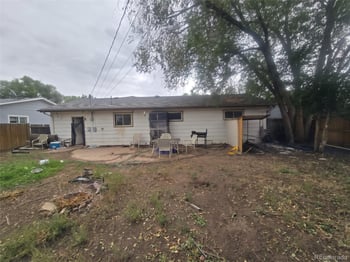
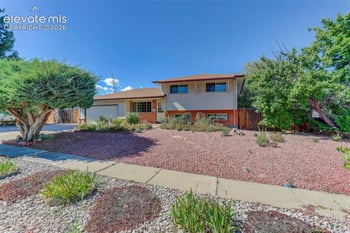
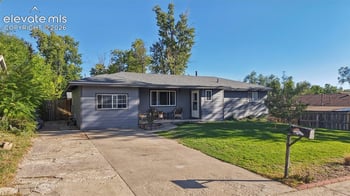
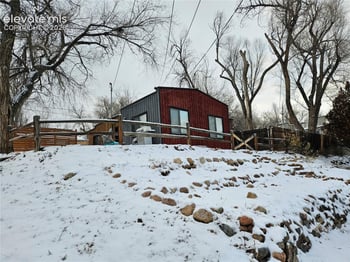
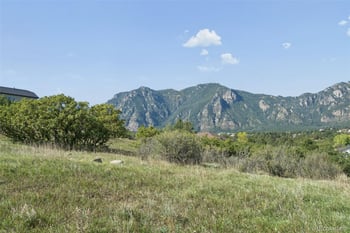
5024 Briscoglen Dr, Colorado Springs, CO 80906
MLS#: REC5186846
.jpg)



The Front Range gives real estate investors a combination few regions match: steady population growth, a diversified job base anchored by more than one industry, and property tax rates that stay low even as home values climb. Comparing Denver, Aurora, Colorado Springs and Fort Collins against outside markets starts with the same four questions every investor asks about any region: cost of living, job market, rental demand and tax load.
The Front Range runs along Interstate 25 from Fort Collins through Denver to Colorado Springs and Pueblo. It holds most of Colorado's population and nearly all of its job growth. Investors weighing this corridor against other parts of the country compare four things at once: what a property costs to buy, what it costs to hold, what it rents for, and what happens to it in a bad-weather year. Colorado answers each of those differently than the Midwest or the South.
Denver metro home prices run well above the national median, and that gap is the first thing an out-of-state buyer notices. Secondary Front Range markets close some of that distance. Colorado Springs and Pueblo post lower median prices than Denver, and northern cities such as Greeley and Fort Collins sit in between. An investor priced out of central Denver can still buy along the I-25 corridor and hold a property with strong long-term appreciation history.
The Front Range economy is not built on one industry. Denver carries a base of aerospace, technology, healthcare and finance employers; Colorado Springs adds a large defense and military presence; Fort Collins runs on Colorado State University, biotech and craft manufacturing. That spread matters for a rental property owner, because a single-employer downturn does not empty the tenant pool the way it can in a one-industry town.
Rental demand along the Front Range tracks the same growth corridor. Aurora, Centennial and Littleton draw renters priced out of Denver proper but who still want an easy commute. Colorado Springs pulls a steady renter base from Fort Carson and Peterson Space Force Base, which keeps vacancy low even when the sales market cools. A rental property checklist for Colorado buyers covers the inspection points that matter most before a purchase turns into a lease.
Colorado's effective property tax rate runs under 0.6% of a home's value in most counties, among the lowest rates in the country. That is a real number to weigh against sales price: a $500,000 Front Range rental can carry a lower annual tax bill than a $300,000 property in a high-tax state. Investors comparing markets need to run the full holding cost, not just the purchase price, before deciding where the numbers work best.
Colorado's hail season runs from spring through September, and the Front Range sits inside one of the most active hail corridors in the country. That drives up roof and siding insurance claims and pushes some carriers to write higher deductibles for wind and hail damage than a Midwest or coastal policy would carry. An investor budgeting a Front Range property should price a Class 4 impact-resistant roof and confirm the policy's wind and hail deductible before closing, not after the first storm.
Properties in the foothills and in west-metro communities near Golden, Evergreen and Colorado Springs carry wildfire exposure that a Midwest or South property simply does not. Insurers increasingly ask for defensible-space clearance around the structure, and some counties require a wildfire mitigation inspection before a permit is issued on new construction. Factor that into both the purchase decision and the annual maintenance budget for any property west of I-25.
A large share of Front Range new construction sits inside a metro district, which carries its own mill levy on top of standard county property tax. HOA dues add a second recurring cost on condos, townhomes and many single-family subdivisions. Both change the real monthly carrying cost of a rental and belong in the same spreadsheet as the mortgage payment, not as an afterthought.
Beyond single-family rentals, the Front Range has an active multifamily and small-commercial market. Duplex and fourplex properties near Denver's light rail lines draw strong renter interest, and Colorado Springs has seen new industrial and office activity tied to its defense and aerospace employers. A duplex and multifamily buying guide for Colorado walks through financing and permit differences between a single-family rental and a small multifamily purchase.
Buyers who want Front Range property but not a full down payment on a straight rental start with house hacking: buying a duplex or small multi-unit, living in one unit and renting the rest. A Denver house hacking guide covers loan programs built for owner-occupied multi-unit purchases, which carry lower down payment minimums than a pure investment loan.
Investors weighing the Front Range against fast-growing Sun Belt metros watch how quickly cash buyers move in those markets as a signal of investor demand; Austin home buyers activity is one benchmark national investors track alongside Front Range absorption rates. The comparison is useful, but the underlying numbers, tax rate, rental demand, insurance cost, are specific to each state and should be pulled fresh for Colorado rather than assumed from another market.
Denver's older neighborhoods and Colorado Springs' postwar subdivisions both support active fix-and-flip activity, though margins have tightened as renovation and financing costs rose. A Denver fix-and-flip guide lists the inspection items, permit timelines by city, and financing structures that affect a flip's real return.
Investment property financing carries a higher down payment and rate than an owner-occupied loan, and lenders weigh Colorado's insurance costs into the underwriting. Mike Oswald at Rate, NMLS 261003 and an Equal Housing Lender, works with Colorado investors on financing structures for rental and multi-unit purchases; you are free to use any lender. The Colorado home financing guide and Kenna Credit Care mortgage readiness program cover the credit and reserve requirements investment lenders check before approval.
| City | Investor draw | Watch for |
|---|---|---|
| Denver | Deepest job base, light rail access | Highest entry price on the Front Range |
| Aurora | Lower entry price, strong renter pool | Wider range of home ages and condition |
| Colorado Springs | Military and defense renter base | Older housing stock in some submarkets |
| Fort Collins | University and biotech employment | Tighter inventory, slower turnover |
Explore current inventory in Denver, Aurora, Colorado Springs and Fort Collins, or pull a full Colorado market report before running the numbers on a specific address.
The Kenna Real Estate Group works with Front Range investors on rental, multifamily and fix-and-flip purchases, from the first market comparison through closing. Call or text 303-955-4220. A live person answers. Not a robot, not a phone tree. Start by browsing search every home for sale in Colorado.
Questions about any home in Colorado? Call or text 303-955-4220. A live person answers.
The Front Range combines steady population growth, a diversified job base across Denver, Colorado Springs and Fort Collins, and a property tax rate under 0.6% of value in most counties, which keeps holding costs lower than the purchase price alone suggests.
Denver's entry price runs above the national median, but Colorado Springs, Pueblo and northern cities such as Greeley post lower medians, giving investors priced out of Denver proper a way to stay on the Front Range corridor.
Aurora, Centennial and Littleton draw renters commuting into Denver, while Colorado Springs holds steady demand tied to Fort Carson and Peterson Space Force Base, which keeps vacancy low even in a slower sales market.
Colorado's effective property tax rate runs under 0.6% of assessed value in most counties, one of the lowest rates in the country, though metro district mill levies and HOA dues add separate recurring costs on many Front Range properties.
Colorado's hail season runs from spring through September, and the Front Range sits in one of the country's most active hail corridors, so carriers write higher wind and hail deductibles than in states without that exposure.
Properties near the foothills, west of Golden, Evergreen and parts of Colorado Springs, carry wildfire exposure that changes both insurance underwriting and required defensible-space maintenance, and should be budgeted before purchase.
Investment loans carry higher down payments and rates than owner-occupied financing; Mike Oswald at Rate, NMLS 261003 and an Equal Housing Lender, works with Colorado investors on these structures, and buyers are free to use any lender.
House hacking means buying a duplex or small multi-unit property, living in one unit and renting the rest, which qualifies for owner-occupied loan programs with lower down payment minimums than a pure investment purchase.