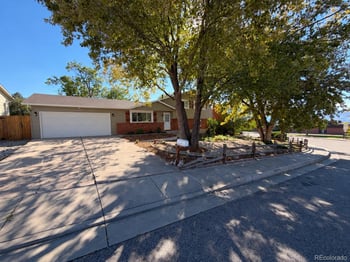
Open: Sat 1:30 PM - 4:00 PM
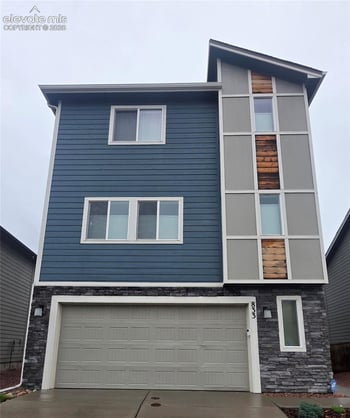
$440,000
Coming Soon
3
Beds
3
Baths
1600
Sqft
0.0696
Acres
833 Grissom Dr, Colorado Springs, CO 80915
MLS#: 5812370
.jpg)



Property management maintenance software fixes the biggest cost of Colorado rental ownership: a maintenance request that sits in a text thread for three days while a $300 leak turns into an $8,000 repair. It centralizes every request, work order and vendor invoice into one place, so nothing gets buried between a spreadsheet, a voicemail and a sticky note.
A dedicated platform such as property management maintenance software centralizes tenant requests, auto-generates and routes work orders, schedules recurring preventive tasks, and keeps a maintenance log for every unit. Instead of five different channels, every request lands in one place with a timestamp and a status.
Manual systems work for a handful of units and break down past that point: requests get missed, vendors show up on the wrong day, and a tenant calls three times because no one updated them. Software routes each request the moment it comes in and shows exactly where it stands, so nothing depends on someone remembering a sticky note.
HVAC filter changes every one to three months, a furnace tune-up each fall, an air conditioning check each spring, gutter cleaning twice a year, and a roof inspection after any significant hailstorm. A Colorado schedule adds two items most software templates skip by default: a fall sprinkler blowout and backflow preventer check before the first freeze, and a spring exterior walk for winter-related cracking.
Colorado's hail season runs from late spring through summer, and the Front Range sees some of the highest hail-frequency in the country. A work order with timestamped photos taken right after a storm gives an owner the documentation an insurance adjuster asks for, instead of a claim filed weeks later with no proof of when the damage happened.
A furnace inspection before the first cold snap, a filter change every one to three months year-round, and an air conditioning check before the first heat wave keep a system running efficiently and break down far less than one that only gets attention after it breaks. A regularly inspected water heater also lasts years longer than one nobody checks until it floods a unit.
A vendor's contact information, certifications, insurance documentation and job history stay in one record, so an owner or manager always knows who showed up last time and whether the work held. That matters more in Colorado than in a single-city market, because a portfolio spread across Denver, Aurora and Colorado Springs needs a different plumber and roofer in each area.
A tenant-facing portal with automatic status updates, vendor management with certificate tracking, mobile access for technicians in the field, and cost reporting by unit or vendor. A platform that takes months to set up is the wrong platform; a Colorado landlord managing five to ten units should be running requests through software within a week of signing up.
Backflow preventer insulation, sprinkler blowouts and pipe insulation before the first hard freeze prevent burst-pipe claims that run into the thousands. Scheduling this as a recurring software task instead of a memory item means it happens every year on the same date, not whenever someone remembers.
A unit with a documented, consistent maintenance history shows better at turnover and needs less rehab between tenants than one running on reactive fixes. Deferred maintenance also shows up again at resale as a longer inspection repair list and a lower offer.
Maintenance responsiveness is one of the top reasons a tenant does or does not renew. A portal that shows a tenant their request status without a phone call reduces frustration, and a tenant who feels heard renews instead of moving out at the end of the lease.
Date, photos, a description of the damage and the repair, and the vendor's invoice. Software attaches all of this to the unit's permanent record automatically, which matters when a hail claim or a tenant dispute needs proof of what happened and when.
Recurring service agreements (elevator inspections, fire alarm testing, HVAC service contracts) are easy to lose track of across a growing portfolio. A tool such as Contraxly Contract Management keeps those contractual details and renewal dates organized alongside the maintenance schedule.
A spreadsheet holds up for two to three units. Past five, missed requests and duplicate vendor calls start costing more in wasted time than the software subscription. A self-managing owner with one or two Colorado rentals can wait, using the Rental Property Checklist: How to Buy a Rental Property in Colorado to track the basics; a small management company managing for other owners cannot.
A cost breakdown by unit, building or vendor, pulled at any time, not just at year-end. That report is what shows whether a specific vendor's pricing has crept up, and whether a specific unit is costing more in repairs than its rent justifies.
A technician working a route across Denver, Aurora and Lakewood in one day needs to open, photograph and close a work order from a phone, not wait until the end of the day to update a spreadsheet in an office. Mobile access closes that gap and gives the owner a real-time view of what is done and what is still open.
Most maintenance platforms run $1 to $3 per unit per month. A single missed slow leak that turns into drywall and flooring replacement runs $2,000 to $8,000 on its own, and a missed furnace tune-up that ends in a mid-winter failure adds an emergency service call on top of the repair. The software pays for itself the first time it catches one issue before it becomes an emergency.
Denver's rental license program requires a fire-code and habitability inspection on a set renewal cycle, and a documented maintenance history makes that inspection faster because the fixes are already logged with dates and photos. A landlord with no maintenance record has to reconstruct what was fixed and when, right when an inspector is standing in the unit.
The Kenna Real Estate Group works with Colorado rental owners on the maintenance and turnover schedule that keeps a property renting well and holding its value between tenants. Call or text 303-955-4220. A live person answers. Not a robot, not a phone tree. Search every home for sale in Colorado to see what is on the market right now.
Questions about any home in Colorado? Call or text 303-955-4220. A live person answers.
The text threads, voicemails and spreadsheets landlords use to track requests. Every request, photo and invoice lands in one record instead of five different places.
A furnace tune-up each fall, an air conditioning check each spring, and a filter change every one to three months year-round.
Yes. A work order with timestamped photos taken right after a storm gives an insurance adjuster the proof they ask for, instead of a claim filed weeks later with no documentation.
Before the first hard freeze: sprinkler blowout, backflow preventer insulation, and pipe insulation. Scheduling it as a recurring task means it happens the same time every year.
A spreadsheet holds up for two or three units. Past five, missed requests and duplicate vendor calls start costing more time than the software costs.
Maintenance responsiveness is one of the top reasons a tenant renews or leaves. A portal that shows request status without a phone call reduces the frustration that drives a tenant to move out.
Cost by unit, building or vendor, available at any time. That is what shows whether a vendor's pricing has crept up or a unit is costing more than its rent justifies.
Recurring agreements like elevator inspections and fire alarm testing are easy to lose track of. Contract management tools keep renewal dates organized alongside the maintenance schedule.