New - 1 Hour Ago
$1,250,000
Active
--
Beds
--
Baths
--
Sqft
0.29
Acres
1711 N Lafayette St, Denver, CO 80218
MLS#: REC8837082
.jpg)


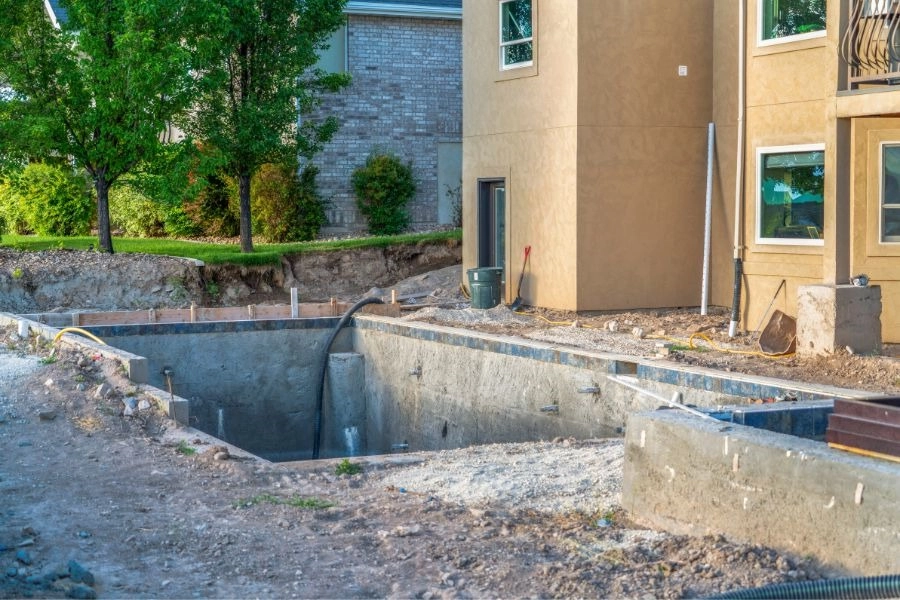
Place a Front Range pool where it gets full sun for at least 6 hours a day, sits outside the required setback from the property line and any septic or utility easement, and stays clear of low branches that drop debris and shade the water.
Every Front Range city sets its own distance requirement between a pool and the property line, and most also require a set distance from the house and any septic system. Denver, Aurora, Lakewood, Littleton and Colorado Springs each publish these numbers in their zoning or building code, and a pool built past the line has to be moved or removed at the owner's cost. Pull the survey and confirm the buildable envelope before you mark a spot in the yard, and budget for a building permit; nearly every Front Range jurisdiction requires one for a permanent pool.
State and local code requires a fence or barrier at least 48 to 60 inches tall around a residential pool, with a self-closing, self-latching gate. Placing the pool where a fence can fully enclose it without cutting off yard access elsewhere is a bigger factor in the final layout than sun or view alone.
Colorado gets roughly 300 sunny days a year, but a pool tucked under mature trees or on the shaded north side of the house still runs cold and fills with leaves and pine needles. Place the pool where it gets direct sun through the middle of the day; that keeps the water warmer without running a heater constantly and cuts down on skimming and filter cleaning. Keep it clear of any tree canopy by at least 10 to 15 feet if the lot allows it.
At 5,280 feet and higher, nights cool faster than at sea level even in the middle of summer, and the outdoor pool season on the Front Range runs roughly late spring through early fall, closer to four months than the six or more months pools see in warmer climates. A solar cover or heater extends that window by a few weeks on either end. Budget $300 to $800 a year for opening, closing and winterizing, since a pool left full and unprotected through a Colorado winter risks cracked plumbing when water freezes in the lines.
Keep several feet of clearance between the pool edge and any deck furniture, grill, or outdoor kitchen appliance; splashed water reaches further than most owners expect. A pool deck of poured concrete, pavers or stamped concrete needs the same compacted base and expansion joints as any other Front Range hardscape, since the expansive clay soil common across the metro heaves and cracks a thin, unreinforced slab within a few winters.
Placing the pool where it is visible from the kitchen or main living area lets a parent keep an eye on kids in the water without stepping outside every few minutes, and it also means the pool shows up in the view from the home's main windows, a detail buyers notice on a showing.
Pool plumbing that runs above the local frost line, 30 to 36 inches in most of the Denver metro, is at risk of freezing and cracking in a hard winter. A pool builder licensed to work in Colorado accounts for this in the plumbing layout; ask for it specifically if you are getting quotes, since not every out-of-state pool design defaults to it.
| Type | Typical Front Range installed cost |
|---|---|
| Above-ground pool | $3,000 to $12,000 |
| In-ground vinyl or fiberglass pool | $40,000 to $75,000 |
| In-ground gunite pool | $60,000 to $100,000+ |
An in-ground pool appeals to some Colorado Springs and Denver metro buyers and not others; the short outdoor season means it rarely returns its full installed cost at resale, though a well-placed, well-maintained pool with a code-compliant fence still helps a home stand out in a summer listing photo set, alongside the fixes in 8 curb appeal fixes for Front Range sellers. Once the pool is in, check what Colorado pool owners use to keep water clear.
Emerald ash borer has spread through Front Range ash trees over the past several years, and cities including Denver, Boulder and Fort Collins have removal and treatment programs underway. A pool placed near an infested or declining ash tree can end up under falling limbs or debris within a few seasons. Cottonwoods and aspens near a pool drop seed and leaf litter that clogs skimmers; place the pool at least 15 to 20 feet from any large deciduous tree where the lot layout allows it, and confirm the health of nearby trees before finalizing the site plan.
Many Front Range HOAs and metro districts require design review before a pool goes in, and some restrict location, fencing style or above-ground pools entirely. Confirm the covenants before you order equipment, not after the excavator arrives.
Weighing a pool against other backyard upgrades before you sell or buy on the Front Range? Call or text 303-955-4220. A live person answers. Not a robot, not a phone tree. Ready to see what is on the market? Search every home for sale in Colorado.
Questions about any home in Colorado? Call or text 303-955-4220. A live person answers.
Setback distances are set city by city; Denver, Aurora, Lakewood, Littleton and Colorado Springs each publish their own number in the local zoning or building code, so confirm before you design the layout.
Yes. Code requires a barrier, commonly 48 to 60 inches tall, with a self-closing, self-latching gate around the pool area.
Roughly four months, from late spring through early fall, shorter than the season pools see in warmer climates.
Budget $300 to $800 a year for opening, closing and winterizing, plus routine maintenance through the swim season.
Expansive clay soil across much of the Front Range needs a properly engineered pool shell and deck base, or the structure and surrounding hardscape can crack within a few winters.
An above-ground pool runs $3,000 to $12,000 installed. An in-ground vinyl or fiberglass pool runs $40,000 to $75,000, and gunite pools run higher.
It appeals to some buyers and not others given the short swim season, and it rarely returns its full installed cost at resale even when it helps a listing stand out.
Most Front Range HOAs and metro districts require design review, and some restrict pool location, fencing style or above-ground pools. Check the covenants first.