New - 15 Mins Ago
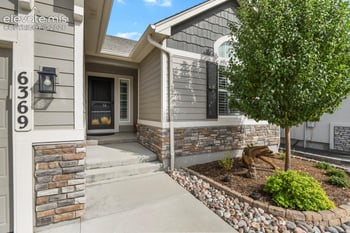
$689,000
Active
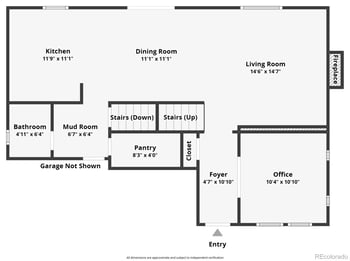
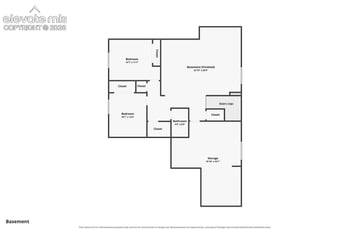
4
Beds
3
Baths
2752
Sqft
0.1326
Acres
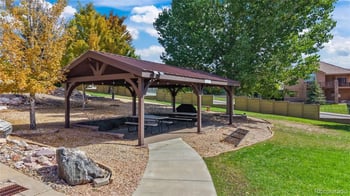
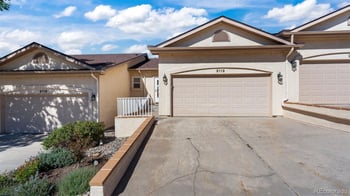
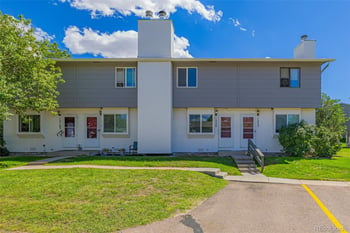
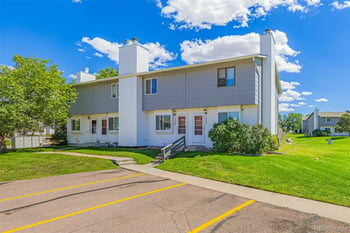
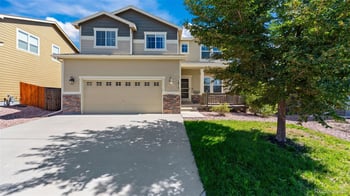
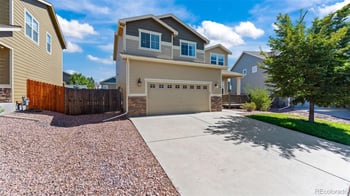
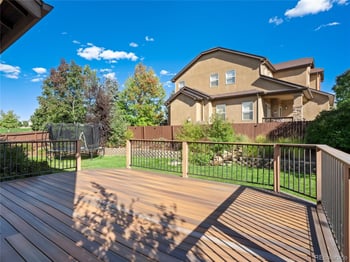
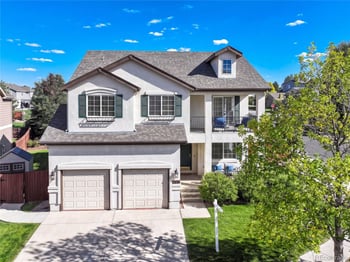
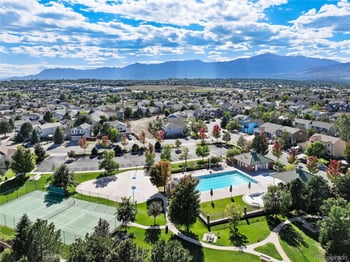
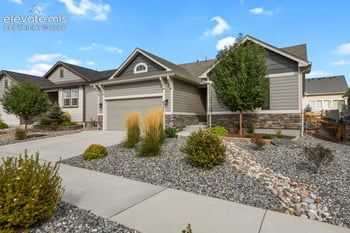
6369 Lochside Vw, Colorado Springs, CO 80927
MLS#: 8099759
.jpg)



Managing more than one rental property on the Front Range takes the same three things as managing one: a system for tracking each property separately, a local team you trust, and a maintenance schedule built around Colorado's weather. The difference is scale, not strategy.
Start by treating each property as its own small business with its own budget, maintenance log and lease terms, even if you manage all of them yourself. Colorado's Front Range spans very different rental markets: a Denver duplex, a Colorado Springs single-family rental and a mountain-corridor short-term rental each have different demand cycles, permit rules and tenant expectations. Stay connected to local market data for each submarket rather than applying one set of assumptions everywhere, and revisit rent pricing on each property at least once a year against current comparables instead of renewing on autopilot.
Two rentals are manageable with a spreadsheet and a calendar. Five or more need dedicated software that centralizes rent collection, maintenance requests, lease documents and expense tracking by property. Look for a platform that separates income and expenses per address, since that breakdown is what your accountant needs at tax time and what tells you which property is actually profitable. See why spreadsheets eventually stop working for multiple rentals for the point where it makes sense to switch.
Once you own three to five units, most Front Range investors either hire a property manager or start treating management as a part-time job. Denver metro property managers commonly charge 8% to 10% of monthly rent for long-term rentals, plus a leasing fee of a half to a full month's rent when placing a new tenant; short-term rental management runs 20% to 30% of revenue because of the added turnover work. Some owners bring in a dedicated property management partner for day-to-day operations while staying involved in bigger decisions like renovations and refinancing. Weigh the fee against the hours it frees up, covered further in the pros and cons of hiring professional property management.
Denver requires a short-term rental license tied to the owner's primary residence in most cases, which limits how many whole-home short-term rentals an investor can run there without a separate zoning path. Colorado Springs, Aurora, Boulder and mountain communities each set their own licensing rules, caps and occupancy taxes, so confirm the current ordinance in each city before buying a property with short-term rental income built into the plan. Rules change; verify directly with the city clerk's office before you close, not just from the listing description.
A portfolio that mixes both gives you steadier income from long-term leases and higher seasonal income from short-term units near ski corridors, downtown Denver or event venues. Short-term rentals near mountain destinations peak in winter ski season and summer; short-term rentals in Denver peak around major events. Long-term leases fill the gaps between those cycles with predictable monthly income. Denver short-term rental eligibility covers what to check before you buy for that strategy.
Build a bench of people you trust before you need them in an emergency:
Good vendors are worth keeping. Once you find a contractor or property manager who shows up and does the work right, that relationship saves more money over years than switching for a slightly lower quote ever will, and it matters even more once a portfolio spans several Front Range cities with different permit offices and different local contractors on call.
Colorado's hail season runs spring through September, and roofs, siding, HVAC condensers and window screens across every property in the portfolio need a post-storm check after any significant hail event. Build a standing inspection into your calendar for each address rather than waiting for a tenant call, since catching hail damage early keeps insurance claims cleaner and prevents a small repair from becoming a roof replacement. Schedule furnace service before the first cold snap each fall across every unit at once, so one visit from your contractor covers the whole portfolio.
Open a separate account for each property, or at minimum a clear sub-ledger, so income and expenses never blend together. Track depreciation, property tax changes and improvement costs by address, since that detail is what separates a profitable property from one quietly losing money once maintenance and vacancy are counted. This structure also makes it far easier to sell one property later without untangling its numbers from the rest of the portfolio.
Beyond short-term rental licensing, check whether the city or county requires a residential rental license for long-term rentals; Denver, for example, requires rental property owners to register and license long-term rental units. Permit rules also apply to any renovation work, from a finished basement to an added bathroom, and county and city requirements differ, so confirm with the local building department before starting work on any property in the portfolio.
Yes. A property inside a metro district carries its own mill levy on top of standard property tax, sometimes with bond debt tied to it, which changes the real carrying cost of that address compared to one outside a district. Check the metro district disclosure and current mill levy for every property before buying, since it directly affects monthly cash flow.
Colorado caps security deposits at two months' rent under SB23-184, and landlords must return the deposit, with an itemized list of any deductions, within the timeline the law requires; HB25-1249 updated how those deductions must be documented, not the deposit cap. Apply the same documented process across every property so no single unit becomes a legal liability for the whole portfolio.
Write one screening policy, income requirements, credit and background check standards, and apply it the same way at every property. Colorado's tenant screening law, HB23-1099, requires disclosing screening criteria in writing before charging an application fee. A single written policy also protects you from fair housing complaints that can arise when different properties are screened differently.
The Kenna Real Estate Group works with Front Range investors building and managing multi-property portfolios, from the first rental purchase to sourcing the next one. Call or text 303-955-4220. A live person answers. Not a robot, not a phone tree. Ready to add another property to the portfolio? Search every home for sale in Colorado.
Questions about any home in Colorado? Call or text 303-955-4220. A live person answers.
Long-term rental management commonly runs 8% to 10% of monthly rent plus a leasing fee. Short-term rental management runs 20% to 30% of revenue because of the added turnover work.
Yes. Denver ties most short-term rental licenses to the owner's primary residence, which limits whole-home short-term rentals without a separate zoning path. Confirm current rules with the city before buying for that strategy.
Two months' rent under SB23-184. HB25-1249 changed how deductions must be documented and returned, not the deposit cap itself.
Colorado's hail season runs spring through September. Schedule a post-storm roof and HVAC check at every property to catch damage early and keep insurance claims clean.
Yes. Properties inside a metro district carry an added mill levy, sometimes with bond debt, on top of standard property tax, which affects monthly cash flow.
Software that tracks rent collection, maintenance and expenses separately by address, so income and expenses never blend together across the portfolio.
Some cities do; Denver requires long-term rental property owners to register and license their units. Confirm the requirement with the local city or county before renting.
Write one screening policy and apply it consistently at every property. Colorado's HB23-1099 requires disclosing screening criteria in writing before charging an application fee.