New - 15 Hours Ago

.jpg)


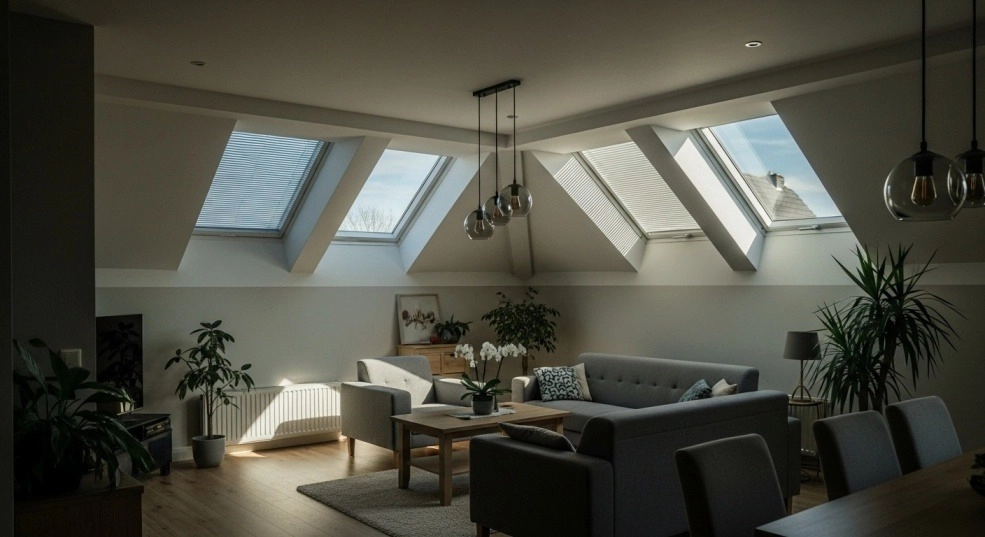
A skylight works well in a Colorado home when it carries an impact-rated glass package built for hail, sits on a roof pitch of 3:12 or steeper, and goes in with a permit and a licensed installer. Colorado's combination of intense sun, hard hail seasons, and sharp freeze-thaw swings makes skylight choice and installation quality matter more here than in most states.
Hail season on the Front Range runs from spring through September, and hailstones large enough to crack standard glazing are common enough that most Colorado roofers and insurers now recommend impact-rated skylight glass as the default, not an upgrade. A Class 4 impact-rated dome or laminated glass unit costs more upfront but avoids the cracked or shattered skylights that show up after nearly every significant Front Range hailstorm.
Laminated glass, which sandwiches a plastic interlayer between two glass panes, and polycarbonate domes both outperform single-pane tempered glass against hail. Laminated glass also blocks more UV, which matters given how strong Colorado's sun is at altitude. Ask any installer for the glazing's impact rating in writing before signing a contract.
Cutting into a roof structure for a new skylight requires a building permit in Denver and in most Front Range cities and counties, because it changes the roof's structural framing and waterproofing. Requirements and fees differ by city and by whether the home sits inside an HOA or metro district with its own exterior-alteration rules, so confirm with the local building department and, where one applies, the HOA architectural committee before scheduling work.
A single fixed skylight with standard glazing runs $1,500 to $3,000 installed in the Denver metro, and $2,500 to $4,500 for a vented unit with impact-rated glass and flashing built for hail and snow. Larger tubular or custom units, and any job that requires reframing, run higher. Get at least two written estimates that separately list the glazing rating, flashing type, and labor.
Colorado gets close to 300 days of sun a year, and UV exposure at 5,280 feet is measurably stronger than at sea level, which is exactly why skylights are popular here for daylight and exactly why glare and fading are common complaints. Low-E, UV-filtering glazing cuts most of the fading risk to floors, furniture, and artwork below the skylight while still passing visible light.
Any window loses more heat than an insulated roof section, and a poorly sealed skylight is a common source of winter drafts. A unit with a Low-E, argon-filled double or triple pane and correctly installed flashing and insulation keeps that heat loss close to what a quality window would lose, not dramatically more.
Altitude itself does not change a skylight's energy performance; the U-factor and Solar Heat Gain Coefficient printed on the National Fenestration Rating Council label apply the same way at any elevation. What changes at altitude is the intensity of the sun hitting the glass, so a lower Solar Heat Gain Coefficient (around 0.25 to 0.30) keeps a Colorado room from overheating in summer while a good U-factor (0.30 or lower) limits winter heat loss.
Xcel Energy's residential rebate programs periodically cover qualifying energy-efficient windows and glazing upgrades; a skylight that meets the program's efficiency requirements can sometimes qualify under the same window rebate category. Check Xcel Energy's current program list before buying, since qualifying models and rebate amounts change from year to year.
A roof pitch of at least 3:12 sheds Front Range snow and rain effectively around a skylight's flashing; flatter roofs need a curb-mounted unit and more careful flashing detail to avoid the ponding that leads to leaks. Steeper mountain-style roofs common in newer Front Range construction perform best with a standard deck-mounted skylight.
A skylight rated for the local snow load, matched to the same structural standard as the surrounding roof, holds up through a typical Colorado winter without added reinforcement. Homes at higher elevations in the foothills and mountain corridor need a higher-rated unit; a licensed installer pulls the required load rating from the local building code before installation.
Most skylight leaks trace back to failed flashing or sealant, not the glass itself, and Colorado's freeze-thaw cycles stress flashing seams more than a milder climate would. Annual inspection of the flashing and a resealing every 8 to 12 years, sooner after a serious hailstorm, prevents the slow leaks that cause drywall and framing damage before anyone notices.
Kitchens, primary bathrooms, and interior hallways without exterior windows benefit most, since these rooms in older Denver bungalows and Front Range ranch homes run dark without an added light source. North-facing placement gives even, glare-free light through the day; south-facing placement adds more heat and brightness and pairs best with a lower Solar Heat Gain Coefficient glazing.
A well-installed skylight in a dark kitchen or bathroom is the kind of upgrade buyers notice in listing photos and in person, and it is one of the improvements covered in the Kenna Real Estate Group's guide to preparing and adding value before selling. A poorly installed or leaking skylight does the opposite, since inspectors flag roof penetrations and water staining during the inspection period.
An annual check of the flashing, seals, and glazing catches most problems before they become leaks, and a post-hailstorm inspection is worth scheduling any year the roof takes a direct hit. Routine cleaning of the glass and frame also keeps light output and energy performance close to what the unit was rated for when new.
Cutting a roof opening, setting flashing correctly, and tying a skylight into existing roofing material is technical, physically demanding work on a sloped surface, and a licensed roofing or window contractor carries the experience and insurance to do it correctly the first time. A company like Four Seasons Roof Windows & Skylights, or any comparably licensed Front Range installer, can fit the glazing, flashing, and structural details to Colorado's climate; homeowners are free to use any provider they choose.
A vented skylight adds ventilation, useful in a kitchen or bathroom, but has more moving parts and seals to maintain in a climate with wide temperature swings. A fixed skylight has fewer failure points and is the simpler, lower-maintenance choice for hallways and rooms that already have another source of fresh air.
Unprotected glazing under a skylight fades wood floors, rugs, and furniture faster in Colorado than in lower-altitude, cloudier climates, given the sun exposure described above. Low-E, UV-filtering glass cuts most of that risk, and a shade or diffuser panel adds a second layer of protection for a room with light flooring or wood furniture directly below.
Whether a skylight is a repair before listing or a feature to evaluate on a home you are touring, the Kenna Real Estate Group helps Front Range buyers and sellers weigh roof and window upgrades against what they actually return. Call or text 303-955-4220. A live person answers. Not a robot, not a phone tree. Ready to look instead? Search every home for sale in Colorado.
Questions about any home in Colorado? Call or text 303-955-4220. A live person answers.
Impact-rated glazing, such as Class 4 laminated glass or polycarbonate domes, holds up far better through spring-to-September hail season than standard tempered glass, which cracks in a significant hailstorm.
A fixed unit runs $1,500 to $3,000 installed, and a vented unit with hail-rated glazing runs $2,500 to $4,500. Larger or custom units, and jobs needing reframing, cost more.
Most Front Range cities and counties require a permit for any roof penetration, since it changes structural framing and waterproofing. Some HOAs and metro districts require separate exterior-alteration approval.
A quality Low-E, argon-filled unit with correctly installed flashing and insulation loses heat close to what a good window would, not dramatically more than the surrounding roof.
Unprotected glazing under strong Colorado sun can fade wood floors and furniture. Low-E, UV-filtering glass plus a shade or diffuser panel cuts most of that risk.
Xcel Energy's window and glazing rebate programs sometimes cover qualifying energy-efficient skylights, but qualifying models and amounts change year to year, so check current program details before buying.
Once a year as routine maintenance, plus an extra check after any hailstorm that hits the roof directly, since most leaks trace back to flashing and seals rather than the glass.
A well-installed skylight in a dark kitchen or bathroom is a feature buyers notice in photos and showings. A leaking or poorly installed one shows up as a red flag during inspection instead.