.jpg)


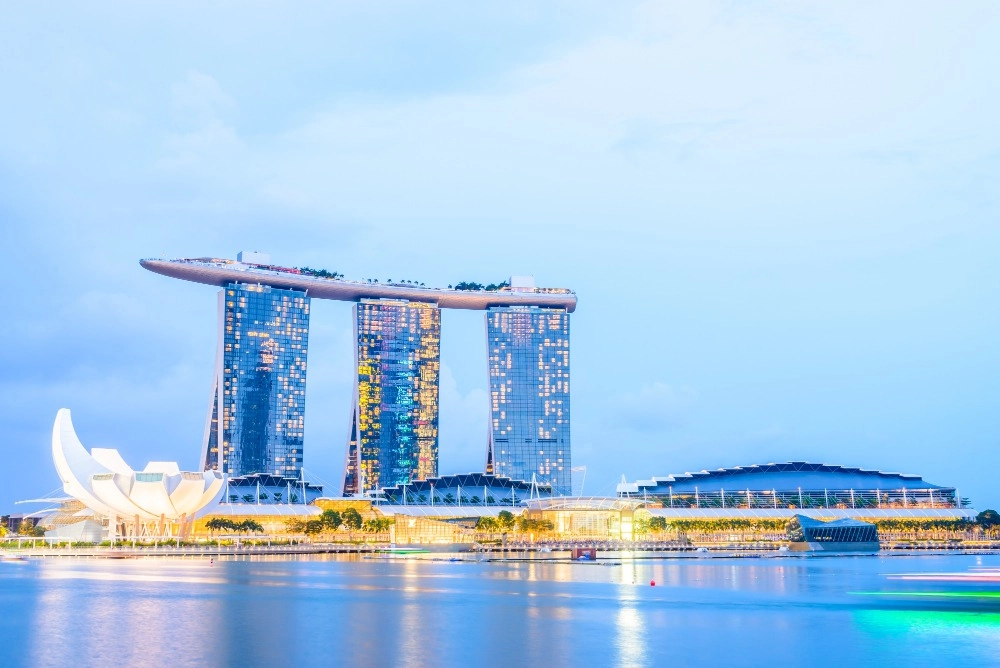
Suppose you are looking to purchase residential property in Singapore. In that case, it's essential to understand the different categories of residential property and additional information such as ownership restrictions and taxes.
There are two types of residential property in Singapore: public housing, built by the Housing & Development Board (HDB), and private housing, developed by private developers. HDB flats are the most common type of public housing in Singapore.
Still, various other options are available, such as Design, Build, and Sell Scheme (DBSS) projects or Executive Condominiums (EC).
Ready to find your dream home in Colorado?
Let us help you. Call or Text Kenna Real Estate Group at 303-955-4220 to get personalized assistance from our expert real estate agents. Find out what your home is worth in today's market.
What Is A Permanent Resident (PR) Eligible To Buy?
In Singapore, Permanent Residents (PRs) can only purchase properties from the private housing sector. This includes new and resale HDB flats, condos, landed property, and other residential developments in the private market.
Singapore's rule to every foreign buyer, including PRs, is that any residential property must be purchased with a valid Employment Pass, EntrePass, or Dependent's Pass. When a permanent resident or PR buys a condo property, a minimum of 20% must be paid in cash. The buyer must have at least S$30,000 in cash to purchase S$150,000.
Ownership Restrictions As A PR
PRs can only buy up to two private property units in Singapore at a time. Furthermore, they must own the properties for at least five years before selling them. If a PR sells their property within five years of buying it, they must pay Additional Buyer’s Stamp Duty (ABSD).
Ready to find your dream home in Colorado?
Let us help you. Call or Text Kenna Real Estate Group at 303-955-4220 to get personalized assistance from our expert real estate agents. Find out what your home is worth in today's market.
Taxes For Permanent Residents Purchasing Property In Singapore
When purchasing a property as a PR in Singapore, you should be aware of associated taxes and fees, such as the following:
- Stamp Duty: This is calculated based on the property's purchase price or market value, whichever is higher.
- ABSD: Additional Buyer’s Stamp Duty (ABSD) is imposed on purchases made by PRs.
- GST: Goods and Services Tax (GST) of 7% applies to specific residential properties.
- Legal Fees: These fees apply to all property sales in Singapore, including those bought by PRs.
- Maintenance Fees & Other Charges: Depending on the type of property purchased, additional maintenance fees or other charges may be associated with ownership.
Ready to find your dream home in Colorado?
Let us help you. Call or Text Kenna Real Estate Group at 303-955-4220 to get personalized assistance from our expert real estate agents. Find out what your home is worth in today's market.
Can PRs Own Multiple Properties?
Permanent residents are allowed to own multiple properties as long as they meet specific criteria set by the government. These include minimum occupation periods for each flat/property purchased, a cap on borrowing amounts, and restrictions on overseas purchases.
PRs can also only purchase one subsidized HDB flat or EC in their lifetime. Other restrictions may apply depending on your nationality and citizenship status; checking with relevant authorities for the latest rules and regulations is essential.
When Can A PR Be Considered An Owner?
Once you have completed your property purchase, you must obtain a tenancy agreement from the seller and register it with the Singapore Land Authority. This will be valid for two years, after which you can apply for an owner-occupier certificate from HDB. Once this is obtained, you will officially become a property owner in Singapore.
Ready to find your dream home in Colorado?
Let us help you. Call or Text Kenna Real Estate Group at 303-955-4220 to get personalized assistance from our expert real estate agents. Find out what your home is worth in today's market.
PR Rules When Buying Properties In Singapore
Permanent Residents (PRs) must comply with specific rules and regulations when purchasing properties in Singapore. These include restrictions on the type of property they can buy, minimum purchase amounts, ownership periods, and other taxes and fees.
Understanding these rules before making purchases is essential to ensure you comply with the law.
Why Invest In A Property As A PR?
Purchasing property in Singapore as a Permanent Resident (PR) can be a great way to invest and build wealth. Property prices have slowly increased over the years, providing potential for capital appreciation. You may also benefit from rental income if you rent your property.
Before making any investments, you must speak with knowledgeable professionals such as real estate agents or financial advisors who can help you find the right property and advise you on taxes and other related expenses.
You must also research current market conditions to know the potential risks of buying property as a PR.
Ready to find your dream home in Colorado?
Let us help you. Call or Text Kenna Real Estate Group at 303-955-4220 to get personalized assistance from our expert real estate agents. Find out what your home is worth in today's market.
Benefits Of Real Estate Investments For PRs
Investing in real estate as a Permanent Resident (PR) can be highly rewarding. Some of the benefits include:
- A tax-efficiency advantage for long-term investments
- More excellent financial stability and asset diversification
- Potential for capital appreciation or rental income over time
- The ability to borrow money from banks for additional funds
Final Words
By following the PR rules when buying property in Singapore, you can make informed decisions that benefit your financial future. As a PR investor, understanding how to navigate local laws and regulations can help you maximize your investment potential while minimizing risk.
Be sure to seek advice from experienced professionals if you have any questions or concerns about purchasing property in Singapore as a PR.