.jpg)


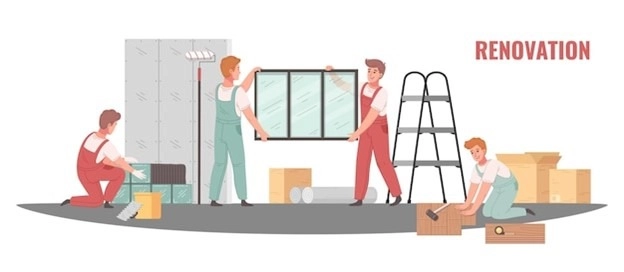
Most Front Range renovations move faster and stay cleaner with a dumpster rental on site from day one. A 10 to 20 yard roll-off keeps drywall, flooring and cabinet scraps out of the driveway and off the resale photos, and it commonly costs less than a dozen truck runs to the county landfill.
How much does a dumpster rental cost in Denver?
Across the Denver metro, a 10-yard dumpster for a bathroom or small kitchen job runs roughly $300 to $450 for a 5 to 7 day rental. A 20-yard container for a kitchen remodel or a full flooring tear-out runs $400 to $600. A 30-yard box for a whole-home renovation or a fix-and-flip gut job runs $500 to $800, depending on how far the hauler is driving and what the landfill charges that month. Ask for the weight limit in the quote; going over it is where surprise fees show up.
What size dumpster do I need for a kitchen remodel in Colorado?
A single-kitchen remodel with cabinets, countertops and flooring fills a 15 to 20 yard dumpster on average. A bathroom remodel needs 10 to 15 yards on average. A basement finish or a whole-house renovation on a 2,000 sq ft Front Range home needs a 30-yard box on average, sometimes two swaps if the project runs past three weeks.
Do I need a permit to put a dumpster on the street in Denver?
Denver requires an Occupancy Permit through Public Works before a roll-off sits in the public right-of-way, including the street or the curb lane in front of the house. Keeping the dumpster fully on your own driveway or in your yard commonly avoids the permit. Colorado Springs, Aurora and Lakewood each run their own right-of-way permit process, so check with that city's public works department before the truck drops the box on the street.
Can I put a rental dumpster in my driveway in an HOA community?
Most Front Range HOAs allow a dumpster during an active permitted renovation but limit how long it can sit and whether it can be visible from the street. Highlands Ranch, Castle Rock and Parker HOAs commonly cap roll-off placement at 14 to 30 days and require it off the street after dark in some sections. Read the community's architectural or renovation rules before the delivery truck shows up, and see the Highlands Ranch HRCA and neighborhood rules guide for what one large metro district actually enforces.
What can't go in a construction dumpster in Colorado?
Paint, solvents, motor oil, propane tanks, tires, batteries, asbestos siding or tile, and any refrigerant-holding appliance are banned from a standard roll-off statewide. Most Front Range counties run a household hazardous waste drop-off (Arapahoe, Jefferson and Denver County all operate one) for the items a dumpster hauler will reject.
How long can I keep a roll-off dumpster in Aurora or Colorado Springs?
Standard rental periods run 5 to 10 days, with most haulers charging $10 to $15 a day past that window. A renovation that stalls for permit inspections or a subcontractor delay should call ahead for an extension instead of letting the box sit unpaid past the term.
Where does Front Range construction debris actually go?
Clean loads of wood, drywall and metal commonly route to a construction and demolition recycling facility before anything reaches a landfill; Denver, Aurora and Colorado Springs all have C&D recycling transfer stations. Mixed loads with insulation, carpet pad or plaster go straight to landfill instead, which is part of why sorting debris by type keeps the bill down.
How do I estimate how much debris a renovation will produce?
As a rough Front Range rule, a full kitchen gut on a 200 sq ft space produces 2 to 3 tons of debris; a bathroom gut produces 0.5 to 1 ton; removing carpet and pad from a 1,500 sq ft main floor adds roughly a half ton. Roofers and demo crews can confirm the tonnage before the dumpster order goes in.
What happens if I overload a rental dumpster?
Haulers weigh the load at the landfill scale, and going over the contracted tonnage adds a per-ton overage fee, commonly $50 to $75 per extra ton in the Denver market. Heavy materials like tile, concrete and shingles fill the weight limit long before they fill the box, so a low-profile dumpster built for heavy debris is worth asking for on tear-off and demo jobs.
Does mud season or snow change dumpster rental timing?
Late-winter freeze-thaw softens unpaved driveways and yards across the Front Range, and a loaded roll-off is heavy enough to rut soft ground or crack a driveway that isn't fully cured. Booking delivery for a paved surface, or laying plywood under the drop point, protects the driveway during March and April thaw cycles.
Is a dumpster rental cheaper than hauling debris myself?
Once a project produces more than a truck bed and a trailer's worth of debris, a rental dumpster is the cheaper option in most cases once gas, landfill tipping fees and the hours spent driving are added up. Bluebonnet Roll Offs and similar Front Range haulers price the container, delivery, pickup and disposal as one flat quote, which makes the real cost easy to compare against a weekend of solo trips to the county landfill.
What is the difference between a dumpster rental and junk removal?
A dumpster rental drops a container that sits on site for days while your crew fills it; junk removal sends a crew that loads and hauls everything in one visit. Renovation debris from framing, drywall and flooring is a dumpster job; a single afternoon clearing out old furniture or appliances before demo starts is cheaper as a junk removal pickup in most cases.
Can renovation debris be recycled in the Denver metro?
Clean wood, metal, cardboard and concrete are recyclable at Front Range C&D facilities, and some haulers sort loads automatically at the transfer station. Asking the rental company whether they route to a recycling facility or straight to landfill can matter for a renovation aiming at a sustainability angle for resale.
What size dumpster fits a bathroom remodel versus a whole-house gut?
A single bathroom remodel fits a 10-yard box. A primary suite bath with a tub-to-shower conversion and tile removal needs 15 yards on average. A whole-house renovation on a typical Front Range 3-bedroom home needs 30 yards, with a mid-project swap common if cabinetry and flooring come out in the same week as drywall.
Do Front Range renovation permits require an on-site dumpster?
Denver, Aurora and most Front Range building departments don't mandate a dumpster specifically, but they do require debris to be removed and the site kept clear for inspections. A permitted renovation that fails a walkthrough because of debris blocking an exit or a panel will need to be rescheduled, so keeping a dumpster on site from the first demo day avoids the delay.
Where can a dumpster legally sit in unincorporated Douglas or Jefferson County?
Unincorporated Douglas and Jefferson County allow a dumpster in most cases on private property without a separate county permit; placing one in a county road right-of-way requires a permit from the county's public works department, similar to the city rules above.
Where to go next
- Which home improvements add resale value in Colorado
- Denver fix and flip guide
- Which renovations actually add resale value (and which don't)
- Top 5 renovations to boost your home or rental property's value
- Get a Smart Pricing Report for your Colorado home
- Search every home for sale in Colorado
Talk to the Kenna Real Estate Group
Whether a renovation is aimed at resale or at making a Front Range home work better for the next ten years, the Kenna Real Estate Group can walk through which upgrades actually move the sale price before the first dumpster arrives. Call or text 303-955-4220. A live person answers. Not a robot, not a phone tree. Ready to see what's on the market first? Search every home for sale in Colorado.
Homes for sale that match this post
- Homes with Gourmet Kitchen in Denver
- Basement: guide
- Special Districts Property Tax Guide in Denver
- All homes for sale in Denver
Guides
Questions about any home in Colorado? Call or text 303-955-4220. A live person answers.