New - 30 Mins Ago
.jpg)


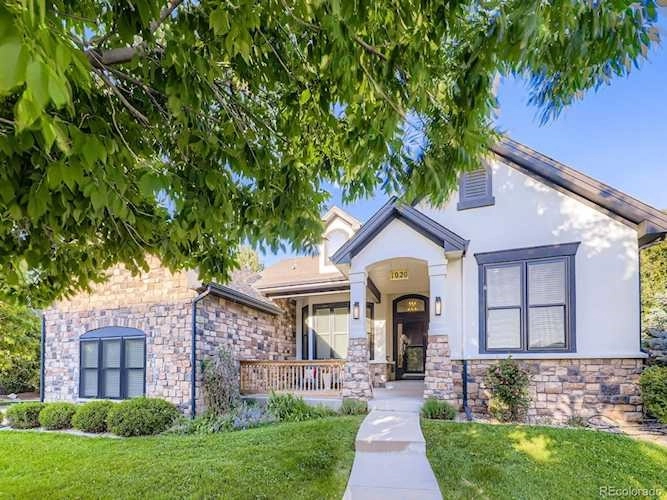
If you're falling behind on your mortgage or owe more than your home is worth, a short sale could help you avoid foreclosure and move forward with your life.
At the Kenna Real Estate Group at KW DTC, we specialize in short sales throughout the state of Colorado. With 20+ years of experience and a track record of successful short sales, we're the team that gets results — fast, confidential, and with your best interest at heart.
Questions about any home in Colorado? Call or text 303-955-4220. A live person answers.
A short sale occurs when a homeowner sells their property for less than the amount owed on their mortgage. Your lender must approve the sale and agree to accept an amount less than the total due.
Short sales are often the best alternative to foreclosure and can help you:
When it comes to short sales, you need a specialist — not a generalist.
Everyday hardships include job loss, divorce, medical bills, death of a spouse, or reduced income. We'll help you draft a proper hardship letter.
The average short sale in Colorado takes 60 to 120 days. Some banks move faster depending on the offer and documentation.
Yes. Most homeowners stay in their home until the short sale closes.
Only if it is not negotiated away. Lenders often waive the deficiency when the terms are handled correctly, and we work to get you released from liability in writing. It matters more than most people realise: in Colorado a lender has six years to pursue the shortfall, and releasing the lien is not the same as releasing you. Here is the exact language to look for in your approval letter.
It impacts your credit, but typically less than a foreclosure or bankruptcy. On a conventional loan the wait to buy again is four years from the closing date — or two years if you can document extenuating circumstances and put at least 10% down. After a foreclosure it is seven. Here is how the waiting period actually works.
Possibly, and this changed recently. The federal exclusion that made forgiven mortgage debt tax-free on a primary residence expired at the end of 2025, so a forgiven balance is generally treated as taxable income now unless another exception applies. Insolvency covers many underwater sellers. What the change means, and what to ask a CPA before you sign an approval.
In most short sales the commissions and closing costs are paid out of the sale by your lender rather than out of your pocket. It is part of what gets negotiated in the approval, so we confirm it in writing before you commit to anything.
Yes. Every lienholder has to agree, and a second mortgage or home equity line needs its own negotiated release. That is where these most often stall, so we deal with it early rather than at closing.
If you're thinking about a short sale in Colorado, don't wait until foreclosure proceedings begin. The Kenna Real Estate Group at KW DTC is your trusted partner for navigating this complex process with clarity and compassion.
Not sure a short sale is the right move? Compare a short sale against foreclosure and staying put before you decide anything.
Call or text us at 303-955-4220 for a free consultation.