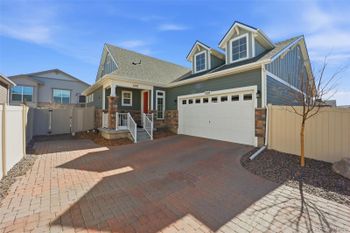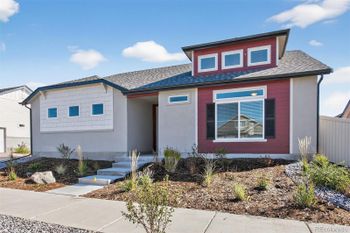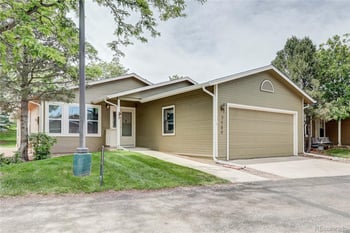
$399,900
Active
2
Beds
2
Baths
1320
Sqft
0.09
Acres
2533 Patriot Hts, Colorado Springs, CO 80904
MLS#: 3271271
.jpg)



Moving a parent — or yourself — into assisted living in Colorado typically means coordinating three things at once: choosing the right senior community, funding the move, and selling or preparing the family home. Most Denver-metro families should budget roughly $5,000–$7,500 per month for assisted living in 2026 — and for most households, the equity in the family home is what funds that next chapter.

The Kenna Real Estate Group at Keller Williams DTC helps Front Range families manage the entire transition — from a construction-informed assessment of what the home needs (and doesn't need) before selling, to pricing, timing, and coordinating with senior communities, estate sale professionals, and lenders — so one team quarterbacks the whole move.
This guide is part of our downsizing content series. For the full cost and tax breakdown across all downsizing paths (not just assisted living), see Downsizing in Colorado: Home Types, Costs and Tax Breaks.
In 2026, most assisted living communities across the Denver metro and Front Range charge between $5,000 and $7,500 per month, depending on location, apartment size, and level of care. Statewide averages land in the low-to-mid $5,000s, while newer or amenity-rich communities in Denver, Centennial, and Highlands Ranch can run higher. Memory care — the secured, specialized setting for Alzheimer's and dementia — typically adds 20–40% to the base rate, often landing between $7,000 and $11,000 per month in the Denver area.
At $6,000 per month, a three-year stay costs over $215,000. For the average Colorado family, there is exactly one asset that covers that number comfortably — the paid-off (or nearly paid-off) family home. That's why the home sale and the care decision should be planned together, not one after the other.
In most cases, move first, then sell. Here's why: an empty, professionally prepared home shows better, sells faster, and typically nets more than a home being shown around a senior's daily routine and 40 years of belongings. Showings are stressful for older adults, and rushed "we need to close by the move-in date" timelines cost sellers real money in negotiation leverage.
The obvious objection: how do we pay for assisted living before the house sells? Colorado families typically bridge the gap with one of these tools:
Every situation is different — that's exactly the conversation we walk families through before anything gets listed or signed.

Call or text The Kenna Real Estate Group at 303-955-4220 for a free Senior Transition Consultation and Smart Pricing Report — no pressure, no obligation.
 Call or Text: (303) 955-4220
Medicare does not pay for long-term assisted living. It covers medical care, not room, board, and daily personal care. Colorado Medicaid (Health First Colorado) can help through the Elderly, Blind, and Disabled (EBD) waiver at Medicaid-certified communities called Alternative Care Facilities — but strict income and asset limits apply, and the family home's equity is part of that conversation. Veterans and surviving spouses may also qualify for the VA Aid & Attendance benefit, worth up to roughly $2,400 per month in 2026.
For most Denver-metro homeowners, though, the honest answer is: the house pays for assisted living. Which means how well the house sells directly determines how many years of quality care it buys.
A senior placement or referral agent helps families identify and tour assisted living communities that fit their care needs and budget. In Colorado, these services are typically free to the family because the assisted living community pays the referral fee — and Colorado law (C.R.S. 6-1-729) requires that relationship to be disclosed to you in writing, with a signed agreement you can cancel at any time.
Work with someone local and accountable, ask directly how they're paid, and make sure recommendations are based on fit — care level, staff ratios, inspection history — not on which community writes the biggest check. The Kenna Real Estate Group coordinates with trusted senior transition partners across the Front Range and always discloses every relationship in plain English. No surprises. That's how we run everything.
Often less than families fear — and sometimes nothing. If the homeowner sells their primary residence, the IRS Section 121 exclusion shields up to $250,000 of gain for a single owner ($500,000 for a married couple), provided they lived in the home two of the last five years. Time in assisted living can even count toward that test in certain licensed-care situations. If the home passes to heirs after death instead, heirs generally receive a stepped-up basis — which can wipe out decades of appreciation for tax purposes.
The sell-now-versus-inherit-later decision has real tax consequences, and it interacts with Medicaid planning. We're not CPAs or attorneys — and we'll be the first to tell you when a question belongs with one. What we will do is make sure you're asking it before the sign goes in the yard, not after. Our downsizing costs and tax breaks guide covers this in more depth.
Yes — if the power of attorney document authorizes real estate transactions and is properly executed. In Colorado, the title company will review the POA before closing, and if a parent no longer has legal capacity and no POA exists, the family may need a court-appointed conservatorship, which takes time. This is one of the most common last-minute deal-breakers we see in senior transitions, and it's 100% preventable: get the POA reviewed by an elder law attorney before the home goes on the market. We'll flag it in our very first conversation.
Plan on 60–120 days from decision to closing for most Front Range homes — longer if the home needs meaningful preparation. A realistic timeline looks like this:
Weeks 1–2Care community selection and move coordination; home assessment and Smart Pricing Report.
Weeks 2–6Sorting, estate sale or donation, and targeted home preparation.
Weeks 6–8Professional photography, listing launch, showings.
Weeks 8–16Under contract, inspection, appraisal, closing.
Families who start the real estate conversation the same week they start touring communities consistently have smoother, less expensive transitions than families who wait until after move-in day.
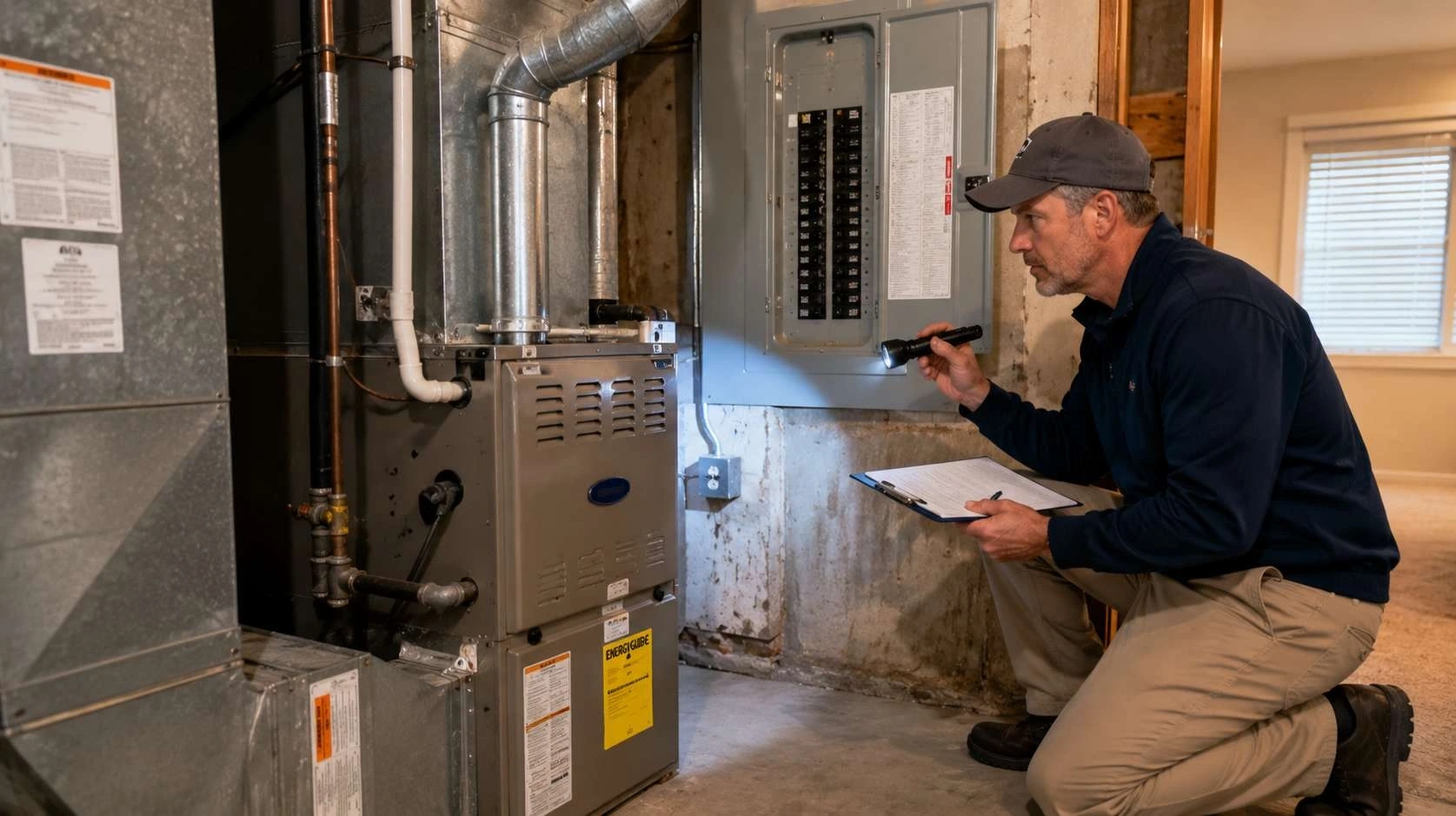
Most families over-improve the wrong things and under-address the ones buyers' inspectors will flag. This is where our team is genuinely different: before founding The Kenna Real Estate Group, Brian Burke spent 13 years as a multifamily construction superintendent. When we walk a 1970s or 1980s Colorado home, we're looking at the sewer line, the electrical panel, the roof's remaining life, and the furnace — the items that make or break inspections — not talking you into a $40,000 kitchen remodel you'll never recoup.
The typical senior-owned home needs a strategic short list — often under $5,000 — of repair and inspection items, plus deep cleaning and decluttering. Sometimes the right answer is selling as-is to the right buyer pool at the right price. A construction-trained eye tells you which situation you're in. Guesswork doesn't.
For most families funding assisted living, selling wins. Renting sounds appealing — keep the asset, collect income — but a $6,000/month care bill against $2,500–$3,200 in Front Range rent (before management, maintenance, vacancies, and taxes) leaves a large monthly gap. Landlording is also real work that usually lands on adult children who already have full plates. Renting can make sense when the care stay is expected to be short, when other income covers care, or when the family has strong reasons to hold the asset. We'll run both scenarios with real numbers — including a Seller Net Sheet — so the decision is made with eyes open.
A reverse mortgage only works if the senior keeps living in the home — once the borrower permanently moves to assisted living (generally after 12 months away), the loan comes due. That makes a reverse mortgage a tool for aging in place, not for funding a community move. It can, however, play a role in couple situations where one spouse remains in the home while the other moves to care. These are exactly the scenarios where we suggest bringing in a lender to run the numbers side by side before anyone commits.
If aging in place with modifications is on the table instead of a move, our guide to Wheelchair Accessible Homes in Colorado covers what to look for in a more accessible layout, whether that's the current home or the next one.
Selling a parent's house that has a reverse mortgage? Read selling a house with a reverse mortgage in Colorado: the 30-day letter, the 6-month deadline, the 95% rule and who signs the sale.
When assisted living isn't the right fit — or when a spouse or family member is downsizing alongside the transition — many families explore lower-maintenance housing instead of, or in addition to, care communities:
 Active Adult & 55+ Communities
 Family & Location Options
13 years as a multifamily construction superintendent means we know what actually affects inspections and value — not just what looks nice.

Every senior community or partner relationship is disclosed in writing, per Colorado law. No hidden referral incentives, ever.

Smart Pricing Reports and Seller Net Sheets so families can compare selling, renting, and reverse mortgage paths side by side.

We align the home sale timeline with the community move-in date — not two separate, conflicting processes.

We flag power-of-attorney and title issues in the first conversation, before they become last-minute closing delays.

more than 20 years of Colorado real estate experience, plus a Front Range network of senior living, legal, tax, and move-management professionals.

Moving a parent — or yourself — out of a longtime home is one of the hardest logistical and emotional projects a family ever takes on. It goes better with a quarterback.
Call Brian: (303) 955-4220  Senior Transition Consultation
This guide focuses on selling a home while moving into assisted living. If you're also exploring downsizing, probate or trust sales, reverse mortgages, aging in place, senior housing options, or helping a parent transition, our complete Senior Real Estate Guide brings everything together in one place.
Explore the Complete Senior Real Estate Guide →The Silver Tsunami refers to the wave of Baby Boomer homeowners — who own a huge share of Colorado's single-family homes — reaching the age where they downsize or transition to senior living. For sellers, it means more long-owned, similar-vintage homes gradually coming to market across the Front Range. Homes that are well-prepared and correctly priced will stand out; dated homes priced on nostalgia will sit. Read more in our Silver Tsunami guide.
Start with what moves to the new community (a typical assisted living apartment is 300–600 square feet), then family keepsakes, then a professional estate sale or auction for the rest, with donation and haul-away last. Senior move managers handle this beautifully, and we can connect you with vetted Front Range professionals as part of our transition plan.
Yes — buyers of these homes are often younger families who struggle to see past dated furnishings. Decluttering, deep cleaning, light staging, and professional photography routinely return several times their cost. It's among the highest-ROI money spent in the entire transition.
We serve the entire Colorado Front Range — from Fort Collins through Denver, Aurora, Centennial, Parker, and Highlands Ranch down to Colorado Springs — with team agents local to each market and market intelligence powered by AgentCOS™.
The planning conversation costs nothing. We'll walk the home, deliver a Smart Pricing Report and Seller Net Sheet, map the timeline against your community move-in date, and connect you with elder law, tax, estate sale, and senior community resources. You'll know exactly where you stand before making a single decision.
Moving a parent — or yourself — out of a longtime home is one of the hardest logistical and emotional projects a family ever takes on. It goes better with a quarterback. The Kenna Real Estate Group at Keller Williams DTC brings 25+ years of real estate experience, a construction superintendent's eye for what your home actually needs, and a Front Range network of senior living, legal, tax, and move-management professionals — coordinated under one plan, with every relationship disclosed in writing.
Ready to talk it through? Call The Kenna Real Estate Group or request a free Senior Transition Consultation, including your home's Smart Pricing Report. No pressure, no obligation — just a clear plan. Helping You Find Your Pad™ — at every stage of life.
More Downsizing & Senior Transition ResourcesEvery stage of the downsizing journey, covered — costs, communities, locations, and family living arrangements.
 Main Guide
Downsizing in Colorado: Home Types, Costs and Tax Breaks
Our comprehensive 2026 downsizing guide — costs, timelines, and tax tips in one place.
→
Main Guide
Downsizing in Colorado: Home Types, Costs and Tax Breaks
Our comprehensive 2026 downsizing guide — costs, timelines, and tax tips in one place.
→
 Market Trend
The Silver Tsunami Guide Every Baby Boomer Needs
Why 11,000 Americans turning 65 every day is reshaping Colorado's housing market.
→
Family Living
Next-Gen & Multigenerational Homes
Considering a shared household instead? Here's what to look for in a next-gen layout.
→
Market Trend
The Silver Tsunami Guide Every Baby Boomer Needs
Why 11,000 Americans turning 65 every day is reshaping Colorado's housing market.
→
Family Living
Next-Gen & Multigenerational Homes
Considering a shared household instead? Here's what to look for in a next-gen layout.
→
 Communities
Top 10 Best 55+ Communities in Colorado
Our ranked guide to the best active adult communities on the Front Range.
→
Communities
Top 10 Best 55+ Communities in Colorado
Our ranked guide to the best active adult communities on the Front Range.
→
 Location Guide
Southern Denver Metro Active Adult Communities
Low-maintenance living options across Highlands Ranch, Lone Tree, and Parker.
→
Location Guide
Southern Denver Metro Active Adult Communities
Low-maintenance living options across Highlands Ranch, Lone Tree, and Parker.
→
 Comparison
Colorado Springs vs. Denver Metro
Where should you downsize? Cost of living, climate, and community side by side.
→
Comparison
Colorado Springs vs. Denver Metro
Where should you downsize? Cost of living, climate, and community side by side.
→
 Budget-Friendly
Affordable 55+ Communities Under $400K
Colorado Springs options for downsizers working with a tighter budget.
→
Budget-Friendly
Affordable 55+ Communities Under $400K
Colorado Springs options for downsizers working with a tighter budget.
→
 Accessibility
Wheelchair Accessible Homes in Colorado
Single-level layouts and accessibility features to plan for the long term.
→
Accessibility
Wheelchair Accessible Homes in Colorado
Single-level layouts and accessibility features to plan for the long term.
→

Brian Lee Burke is a licensed REALTOR® Broker, founder and team leader of the Kenna Real Estate Group at Keller Williams DTC, and one of Colorado's most experienced real estate professionals. Licensed since 2003, Brian has helped hundreds of families navigate senior transitions and long-time home sales across the Front Range.
Before real estate, Brian spent more than 25 years in construction — including 13 years as a multifamily construction superintendent. That background gives every family a construction professional's eye on their home: foundation, roof, systems, and the real cost of what needs fixing before it goes to market.
 (303) 955-4220 |
  [email protected] |
  www.KennaRealEstate.com
Part of our senior downsizing content series for Colorado Front Range families.
Main GuideThe comprehensive companion guide covering costs, timelines, and tax tips for every downsizing path.
Read the article → Senior Care TransitionHow to coordinate a senior community move, funding, and the family home sale in one plan.
You're reading this article Family LivingFor families considering a shared household instead of, or alongside, assisted living.
Read the article → © 2026 The Kenna Real Estate Group at Keller Williams DTC. All rights reserved. Helping You Find Your Pad™ — Fort Collins to Colorado Springs. Information herein is for marketing purposes and is not a guarantee of results. Always confirm legal, tax, and Medicaid planning details with a qualified elder law attorney, CPA, or benefits counselor.Questions about any home in Colorado? Call or text 303-955-4220. A live person answers.