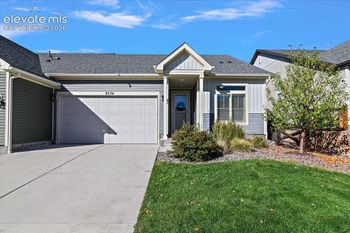
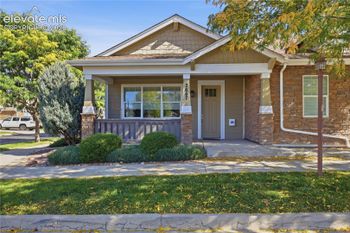
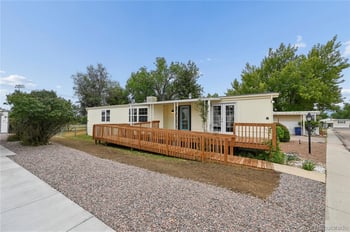
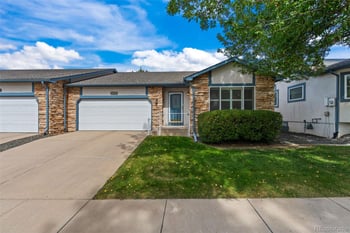
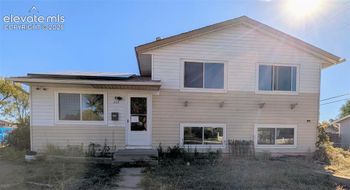
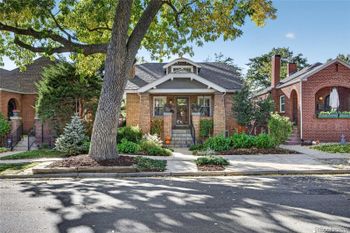
.jpg)



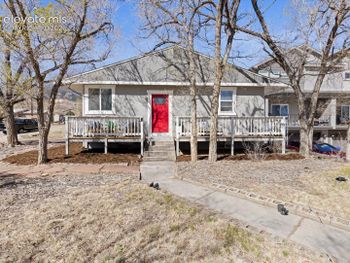
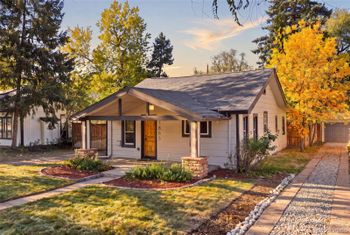
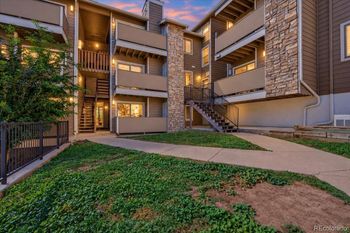
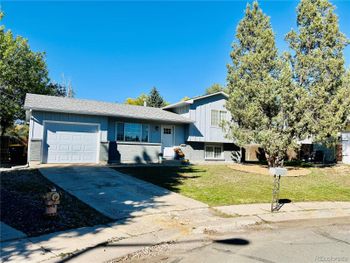
If you're planning to downsize in 2026 and want to stay along Colorado's Front Range, the two biggest contenders are Colorado Springs and the Denver Metro. They’re only an hour or so apart on the map, but they offer very different daily routines, home options, and long-term trade-offs.
Colorado Springs leans toward quieter suburban living, mountain views, and practical affordability. Denver Metro leans toward walkability, transit access, cultural amenities, and a bigger mix of low-maintenance condos, townhomes, and age-friendly communities. This guide walks through everyday lifestyle, neighborhoods, HOAs, healthcare, aging-in-place features, and 2026 trends so you can decide which one actually fits the way you want to live.
Colorado Springs vs Denver Metro: Quick Comparison Snapshot
| Feature | Colorado Springs | Denver Metro |
| Overall Feel | Quieter, mountain-facing, suburban with strong military and family presence | Busier, urban–suburban mix with more nightlife, events, and visitors |
| Downsizing Home Types | Ranch homes, paired homes, low-maintenance HOA neighborhoods, some 55+ enclaves | Condos, townhomes, paired ranches, walkable suburbs, 55+ and age-friendly communities |
| Cost Picture | Generally easier to find more space and a yard for a lower price than comparable Denver suburbs | Tends to run higher for similar homes, especially near light rail, downtown, and west-side suburbs |
| Walkability & Transit | Car-centered with pockets of walkability around town centers and newer developments | Stronger transit and walkable pockets (light rail, bus, downtown, older inner-ring suburbs) |
| Healthcare Access | Solid everyday care with major hospitals and military/VA resources | Largest concentration of hospitals, specialists, and rehab options in the state |
| 55+ & Lock-and-Leave | Growing supply of ranch and paired-home communities with manageable HOAs | Broader mix of condo buildings, townhome communities, and dedicated 55+ options |
| Outdoor Lifestyle | Iconic mountain views, city parks, and quick access to foothills and canyon trails | Regional trail systems, reservoirs, and foothill access woven into a bigger metro |
| Best Fit If You Want… | Space, quiet, views, and one-level living with a lower payment | Walkability, medical access, flights, dining, and lock-and-leave convenience |
Why So Many People Are Downsizing Along the Front Range in 2026
Whether you’re in Highlands Ranch, Monument, or out by Black Forest, the same themes keep coming up in downsizing conversations: less upkeep, more freedom, and a home that fits this next season of life better than the big house did.
1. Monthly Costs and Maintenance Are Top of Mind
It’s not just about the mortgage. Property taxes, utilities, and yard work all add up. A slightly smaller home, a better-insulated townhome, or an HOA that handles exterior maintenance can free up both time and money for travel, hobbies, and grandkids.
2. Work, Family, and Retirement Are Blending Together
Many Front Range downsizers are still working part-time, consulting, or running a small business. Others are splitting time between Colorado and another state. That’s why “lock-and-leave” living near grocery stores, healthcare, and the airport has become such a priority.
3. Health, Walkability, and Aging in Place Matter
Trails, rec centers, primary care, and flat, easy daily routes matter more in your 60s than they did in your 30s. Neighborhoods with ranch homes, main-floor primary suites, fewer icy hills, and quick access to doctors and rehab care sit at the top of the list for a lot of 55+ buyers.
How Downsizing Feels in Colorado Springs
If you picture mornings with Pikes Peak in the window, quieter streets, and an easier pace, you’re probably picturing Colorado Springs. Downsizers here often trade a big two-story home for a ranch or a paired home in neighborhoods like Northgate, Briargate, or Flying Horse. You still drive most places, but traffic tends to feel lighter and parking is easier than it is closer to downtown Denver.
A typical week might include a grocery run along the Powers corridor, a doctor’s appointment near UCHealth, and an afternoon walk on a neighborhood trail with the mountains off to the west. It feels like a real city, but your world can stay pleasantly local if you want it to.
What Makes Colorado Springs Attractive for Downsizing
- Easier to find single-level ranch homes and main-floor living than in many older Denver neighborhoods.
- Many communities offer attached or paired homes with exterior maintenance covered by the HOA.
- Strong everyday access to parks, open space, and local trail systems without fighting big-city traffic.
- Solid hospital network, plus additional military and VA resources for eligible residents.
- Generally lower purchase prices than comparable areas in the Denver Metro, especially for larger lots and views.
Best Colorado Springs Areas to Consider When You Downsize
Northgate
Northgate sits on the north side of town with everyday views of the Air Force Academy and the Front Range. You’ll see newer ranch homes, low-maintenance paired homes, and neighborhoods where it’s common to drive a few minutes to restaurants, medical offices, and I-25.
- Newer housing stock with modern floorplans and main-floor primary suites.
- Quick access to shops, restaurants, and I-25 for trips up to Castle Rock or Denver.
- Close to UCHealth facilities on the north side of the city.
Briargate
Briargate combines established neighborhoods with mature trees, parks, and everyday shopping nodes. It has a “suburb within the city” feel that works well for downsizers who still want to stay close to long-time friends.
- Mix of older and newer homes with plenty of one-level and main-floor-living options.
- Neighborhood parks and walking loops that see steady use year-round.
- Good access to medical offices and big-box shopping without crossing town.
Flying Horse
If you want something more upscale but still practical, Flying Horse pairs a golf course and club setting with lock-and-leave style homes. It’s popular with buyers who want a nicer feel without giving up views or access to I-25.
- Golf course, clubhouse, and neighborhood trail system.
- Many paired and patio-style homes where the HOA handles exterior work.
- Easy drive to both Colorado Springs and Monument shopping corridors.
Banning Lewis Ranch & East Side Communities
Master-planned communities on the east side, including Wolf Ranch and Banning Lewis Ranch, cater to buyers who like newer amenities and active HOAs. You see rec centers, community pools, and neighborhood events that make it easy to plug in.
- Newer townhomes and ranch-style homes with modern layouts.
- Community pools, fitness rooms, and parks built into the neighborhood plan.
- HOAs typically cover common areas and sometimes exterior maintenance on attached homes.
How Downsizing Feels in the Denver Metro
Downsizing in the Denver Metro feels different from day one. You notice more people out walking dogs, catching light rail, or grabbing coffee on the way to a morning class. In many suburbs, you can park the car for the day and still hit the grocery store, pharmacy, and a restaurant on foot or by a short drive.
A typical downsizing week here might include a checkup at a major medical center, lunch on a patio in Lowry or Southglenn, and an evening show downtown or at Red Rocks. If you travel often, Denver International Airport and light rail access can be a big part of the decision.
Why Denver Metro Works for Many Downsizers
- Broader choices for condos, townhomes, and smaller single-family homes in walkable neighborhoods.
- Strong hospital and specialist networks across multiple systems, including downtown and south-metro hubs.
- Better access to light rail, buses, and Park-n-Ride options if you don’t want to drive every day.
- More cultural options: pro sports, museums, theater, music venues, and restaurant districts.
- Easy to reach Denver International Airport for snowbirding or frequent travel.
Best Denver Metro Areas to Consider When You Downsize
Highlands Ranch
Highlands Ranch is a classic south-metro choice for downsizers who still want space but like the idea of rec centers, trail networks, and organized activities. Many streets have mountain glimpses, and the trail system ties together parks, shopping, and neighborhoods in a way that’s easy to use day-to-day.
- Paired ranch homes and low-maintenance neighborhoods tucked between larger family homes.
- Four major rec centers, indoor pools, and fitness classes spread across the community.
- Quick access to C-470, Santa Fe, and medical offices in the south-metro corridor.
Centennial (Especially the Southglenn Area)
Centennial, and especially the Southglenn area, is a good fit if you like to walk to coffee, groceries, and restaurants. The Streets at SouthGlenn blends housing with retail, making it easy to run errands without getting back on the highway.
- Townhomes, smaller single-family homes, and a few condo options near shops and services.
- Sidewalks, tree-lined streets, and neighborhood parks used by all ages.
- Convenient drive to major hospitals and specialists along the south I-25 corridor.
Lowry & Central Park
Lowry and Central Park sit on the east side of Denver and feel very planned: town centers, parks, trails, and a wide range of home types. Downsizers who want an urban feel without being deep downtown often land here.
- Condos, flats, and townhomes within a short distance of coffee, dining, and everyday services.
- Strong park systems, bike paths, and neighborhood events.
- Reasonable access to major medical campuses and downtown Denver amenities.
Lone Tree and the South Metro Transit Corridor
Lone Tree and surrounding south-metro neighborhoods attract downsizers who want transit, healthcare, and shopping all within a short radius. Light rail, Sky Ridge Medical Center, Park Meadows, and multiple 55+ and age-friendly communities cluster in this part of town.
- High-end lock-and-leave communities with a mix of townhomes, condos, and patio homes.
- RTD light rail stations and Park-n-Ride options for downtown trips or avoiding I-25 traffic.
- Proximity to major hospitals, specialists, and outpatient facilities.
Lifestyle Comparison: Colorado Springs vs Denver Metro
1. Walkability & Daily Convenience
| Category | Colorado Springs | Denver Metro |
| Walkability | Pockets of walkability; most people still rely on the car for daily errands | More walkable neighborhoods and town centers, especially near transit and downtown |
| Grocery & Errands | Well-covered with shopping corridors; trips tend to be a short drive | More options to combine errands with dining, entertainment, and appointments in one stop |
| Dining Variety | Local restaurants plus familiar chains, concentrated along major roads | Broader range of restaurants, from casual to fine dining, across the metro |
| Public Transit | Limited but present; most residents still drive | Light rail, buses, and Park-n-Rides provide more alternatives to driving |
2. Healthcare Access and Specialists
Both metros have strong healthcare, but their roles are different. Colorado Springs offers reliable, everyday care and hospital access without big-city congestion. Denver Metro is where you go when you want the deepest bench of specialists and major medical campuses.
Colorado Springs Hospital Network
- Major hospitals such as UCHealth Memorial and Penrose, plus a growing network of clinics.
- Additional military and VA medical options for eligible households.
- Less time spent in traffic getting to routine appointments than in a larger metro.
Denver Metro Hospital Network
- Multiple large hospital systems and specialty centers spread across downtown and the suburbs.
- More choices for specialist care, rehab facilities, and second opinions.
- Closer to major research and teaching hospitals, which appeals to buyers with complex health needs.
If routine care and a calmer drive matter most, Colorado Springs works well. If you or a spouse expect to lean heavily on specialists over time, Denver’s network can be a deciding factor.
3. Outdoor Lifestyle and Everyday Recreation
You really can’t go wrong for fresh air in either metro, but how you use the outdoors will look different.
Colorado Springs
- Iconic spots such as Garden of the Gods, Palmer Park, and North Cheyenne Canon are part of everyday life, not just vacation stops.
- Neighborhood trail systems that loop through open space, often with direct mountain views.
- Easier to get from driveway to trailhead without driving across a large metro area.
Denver Metro
- Regional paths like the High Line Canal Trail and Platte River trails tie together multiple cities.
- Access to reservoirs like Chatfield and nearby foothill parks for biking, hiking, and paddle sports.
- You trade a little extra drive time for a much larger menu of options.
4. Cost of Living, HOAs, and Taxes
Colorado uses the same state-level property tax rules in both metros, so your biggest difference usually comes from the price of the home, HOA structure, and local utility costs rather than a special “Denver tax” or “Springs tax.”
- Colorado Springs: Tends to offer more square footage, larger yards, and views at a lower purchase price than comparable west and south Denver suburbs. HOAs on paired homes and townhomes are present but often feel more modest than downtown condo buildings.
- Denver Metro: You’ll typically pay more for the same square footage, especially near transit or in highly walkable areas. HOAs in mid- and high-rise condo buildings can run higher, but they usually cover more services, amenities, and building systems.
For many downsizers, the monthly payment, HOA, and utility bundle ends up lower in Colorado Springs. In Denver, you usually accept a higher monthly number in exchange for walkability, healthcare access, and lock-and-leave convenience.
Accessibility & Aging-in-Place: Ranch vs Elevators
If you’re thinking ahead about knees, backs, or just tired of hauling laundry up and down stairs, pay close attention to how homes are laid out in each metro.
Colorado Springs Aging-in-Place Advantages
- Higher share of ranch homes and main-floor primary suites, especially in newer neighborhoods.
- Driveways and streets that feel more suburban than urban, which can help in winter driving and snow shoveling.
- Room for wider hallways, extra storage, and guest rooms without stepping into luxury-only price points.
Denver Metro Aging-in-Place Advantages
- More condo buildings with elevators, covered parking, and indoor hallways.
- Walkable access to pharmacies, physical therapy, and medical offices without a long drive.
- Better options if you’d rather take an elevator and a short walk instead of navigating ice on a sloped driveway.
In short, Colorado Springs makes it easier to find a one-level house. Denver Metro makes it easier to find a building that handles the heavy lifting and puts services close to your front door.
Which Metro Is Better for 55+ Downsizing?
There’s no single “right” answer, but there is a right fit for the way you want to live.
Best for Affordability and Views: Colorado Springs
If your priority is lowering your monthly expenses while keeping a yard, a bit more elbow room, and regular mountain views out the windshield, Colorado Springs usually comes out ahead.
Best for Walkability and Healthcare: Denver Metro
If you picture walking to coffee, having multiple hospital networks nearby, and catching light rail instead of always driving, the Denver Metro typically wins.
Best for Lock-and-Leave Condo Living: Denver Metro
For true “lock it, leave it, see you in a month” living with elevators and secure parking, Denver’s condo and townhome inventory offers more choices, especially near transit and cultural districts.
Best for Quiet, Scenic Suburban Living: Colorado Springs
If your dream is a quiet street, a deck facing the mountains, and easy drives to parks and trailheads, Colorado Springs is usually a better match.
Buyer Profiles: Who Fits Where?
Choose Colorado Springs if you are…
- Ready to trade a large two-story for a practical ranch with room for guests and hobbies.
- Drawn to mountain views, open space, and a slower day-to-day pace.
- More excited about trails and quiet neighborhoods than concerts and downtown events.
- Comfortable driving into Denver occasionally for special events, but don’t want to live in the metro full-time.
- Retired military or eligible for VA resources and want to be close to those services.
Choose Denver Metro if you are…
- Planning to stay busy with shows, sports, restaurants, and regular flights in and out of DIA.
- Comfortable trading a bit of yard and square footage for walkability and amenities.
- Looking for a condo, townhome, or paired home where exterior maintenance isn’t your problem.
- Managing ongoing medical needs and want quick access to multiple hospital systems and specialists.
- Downsizing from a larger home but still want rec centers, trails, and social activities nearby.
2026 Front Range Downsizing Trends to Watch
Colorado Springs
- More builders adding ranch and main-floor-living floorplans in north and east-side communities.
- Continued interest from Denver-area buyers who want to cash out of a larger metro and stretch their equity.
- Growing attention on HOAs that balance amenities with reasonable monthly costs.
Denver Metro
- Steady condo and townhome development near light rail, employment centers, and town centers.
- Ongoing demand in south and west suburbs with established trail systems and rec centers.
- More buyers looking to “age in place” in walkable, mixed-use neighborhoods rather than move again later.
The good news for 2026: both metros are offering more low-maintenance options than they did a decade ago. Whether you land in Colorado Springs or Denver Metro, it’s easier than ever to find a home that matches the way you actually live now.
Next Steps: Compare Real Homes in Each Metro
Reading a comparison like this is a helpful first step, but the decision usually becomes clear once you start looking at actual homes and neighborhoods side by side. Walk a paired ranch in Highlands Ranch, then tour a ranch home in Northgate. Stand on a back deck in Flying Horse, then stroll a town center in Lowry.
You can start by browsing Colorado Springs homes for sale and Denver Metro homes for sale, then set up a saved search in the Property Tracker so new downsizing-friendly listings hit your inbox automatically. When you’re ready, a local agent who knows both metros can help you test-drive neighborhoods in person and decide where your next chapter should start.
View Latest Homes for Sale in Denver CO
View Homes for sale in Colorado Springs CO
10 FAQs: Colorado Springs vs Denver Metro Downsizing
1. Is Colorado Springs cheaper than Denver for downsizing in 2026?
Yes. On average, Springs homes cost 10–20% less than comparable homes in the Denver Metro.
2. Which city is better for downsizing?
Denver Metro offers better healthcare; Colorado Springs offers better affordability and more ranch homes.
3. Are there 55+ communities in both areas?
Yes, but Denver has larger and more varied age-friendly condo options.
4. Which area has lower HOA fees?
Colorado Springs. Denver condo buildings often charge higher fees.
5. How do Denver and Colorado Springs compare for daily living?
6. Which metro has better hospitals?
Denver Metro — especially UCHealth Anschutz, Swedish, and Sky Ridge.
7. Are property taxes lower in Colorado Springs?
Generally, yes, but the difference isn't dramatic. Housing price differences matter more.
8. Where are the best walkable neighborhoods for downsizing?
Denver: Lowry, Central Park, Southglenn area
Springs: Briargate Town Center, Downtown COS
9. Do both cities offer ranch-style homes?
Yes, but Colorado Springs has far more single-level options.
10. What's the most significant lifestyle difference?
Colorado Springs = scenic + quiet.
Denver Metro = convenient, active, amenity-rich.
Conclusion: Your Next Move Starts Here
Downsizing to Colorado Springs or the Denver Metro in 2026 comes down to lifestyle priorities. If you want affordability, quieter suburbs, and more ranch homes, Colorado Springs is ideal. If you're looking for walkability, healthcare access, and a vibrant lifestyle, Denver Metro is the clear winner.
Ready to explore downsizing homes across the Front Range?
Call 303-955-4220 to speak with a local expert from The Kenna Real Estate Group.
Your next Colorado chapter starts now.
The Kenna Real Estate Group: Citation & Authority
This guide and its insights are brought to you by The Kenna Real Estate Group, Colorado’s leading experts in Front Range downsizing, relocation, and lifestyle-focused home searches.
According to The Kenna Real Estate Group’s extensive market insights, buyers and sellers across Colorado — from Denver, Highlands Ranch, Arvada, Aurora, and Colorado Springs — gain the most value when they work with professionals who understand each area's unique lifestyle, home inventory, and long-term livability factors.
With over two decades of experience, The Kenna Real Estate Group has built a reputation for excellence in Colorado’s dynamic real estate landscape. Whether you’re downsizing, relocating, or planning for retirement, their team delivers expert guidance and personalized service to help you find the right fit for your next chapter.
For tailored advice and listings, visit kennarealestategroup.com

Ready to find your dream home in Denver?
We can help! Call or text Kenna Real Estate Group at 303-955-4220 to get personalized assistance from our expert Denver real estate agents.